
All articles by Linda Stewart – Page 35
-
 News
NewsSoil science: How AI could help scientists secure a vital global resource
A new paper outlines how AI tools can accelerate soil science by speeding up early-stage work, improving predictions to support decisions on land-use, carbon, and climate adaptation, handling complex data, and freeing scientists to focus on questions that require expert judgment.
-
 News
NewsThe ocean’s pharmacy: scientists chart a new path for marine peptide drug discovery
A review surveys how new extraction, chromatography, and bioinformatics tools are accelerating the discovery of bioactive peptides from the sea. Researchers provide an integrated overview of how marine bioactive peptides are produced, purified, and evaluated, and how bioinformatics is reshaping the discovery pipeline.
-
 News
NewsTrial tests virus-immunotherapy combination for neuroendocrine tumors
A phase I clinical trial is testing whether a tumor-targeting virus can help immunotherapy work more effectively against aggressive neuroendocrine tumors that often resist treatment. The ongoing study has completed its first three dose levels with no severe treatment-related side effects reported to date.
-
 News
NewsMicrobiome insights may help predict immunotherapy benefit in kidney cancer
City of Hope researchers report that gut microbiome composition may influence how patients respond to immunotherapy combinations in metastatic renal cell carcinoma, pointing to a potential biomarker that could help guide treatment selection in the future. The microbiome is a rising focus at City of Hope, highlighted ...
-
 News
NewsSpraying leaves with carbon dots boosts rice yield and blocks toxic cadmium
In a full-season field test, a nanoscale spray activated a two-part defense system in rice, slashing grain cadmium content by nearly 50% while improving the harvest.
-
 News
NewsBrain inflammation is unlikely to explain persistent long COVID symptoms
A new brain imaging study has found no evidence of widespread brain inflammation in patients suffering from prolonged symptoms after COVID-19 infection. Instead, the most severe long COVID symptoms were associated with increased brain activity in regions involved in mood and emotion.
-
 News
NewsPegylated interferon-based treatment improves response rates in immune-tolerant patients with chronic hepatitis B
A new study aimed to investigate the efficacy and predictive factors of a pegylated interferon (Peg-IFN)-based treatment strategy in IT patients with chronic HBV infection.
-
 News
News Applied Microbiology International named one of The Sunday Times Best Places to Work for third consecutive year
Applied Microbiology International (AMI) has been named in The Sunday Times Best Places to Work 2026 list for the third consecutive year, recognising the organisation’s continued commitment to staff wellbeing, flexibility and inclusive working culture.
-
 News
NewsModern medicine makes gut microbial diversity plummet
Even minimal exposure to modern medicine can rapidly change the human microbiome. Researchers reveal that the gut microbes of remote Amazonian Indigenous communities began shifting toward patterns more commonly seen in urban, industrialized populations after only a few medical visits.
-
 News
NewsScientists make groundbreaking discovery – and find a possible new ally – in the opioid crisis
Scientists analyzed used hypodermic needles from a needle exchange program to better understand what narcotics actually were in the needles and determine if any non-viral pathogens were present.
-
 News
NewsChemists use sea sponge bacteria to create new molecules for drug discovery
Chemists have synthesized new molecules derived from bacteria found in a Pacific Ocean sea sponge. They are the first to successfully synthesize two new marine natural products: tetradehydrohalicyclamine B and epi-tetradehydrohalicyclamine B.
-
 News
NewsHPV self-collection boosts cervical cancer screening rates
The first major U.S. rollout of HPV self-collection shows benefits for patients and providers, including fewer pelvic exams and better follow-up for HPV-positive results.
-
 News
NewsHospital wastewater reveals drug-resistant fungus strains months before patients show symptoms
A study reveals that sampling raw wastewater closer to the source — sewer lines that directly serve hospitals, retirement homes, and long-term care facilities — allows scientists to detect drug-resistant strains of Candida auris as many as five months before patients begin showing symptoms.
-
 News
NewsGenes without borders: coral babies can travel vast distances across the Pacific Ocean
The offspring of a common coral branching species set up a new home up to 100 kilometres or more from their parents in one of the longest dispersal distances ever measured.
-
 News
NewsNew clinical study shows pasteurized Akkermansia muciniphila MucT supports weight loss maintenance
A clinical trial demonstrates that supplementation with pasteurized Akkermansia muciniphila MucT® significantly improved weight loss maintenance in adults with overweight or obesity following an initial weight loss intervention.
-
 News
NewsScientists harness T cells to help the body fight entire viral families
Scientists have discovered that combining key vaccine ingredients could give the body the tools it needs to fight the entire family of arenaviruses with a single vaccine, protecting against life-threatening infections from Lassa virus, Junin virus, and other arenaviruses with pandemic potential.
-
 News
NewsWarming oceans can disrupt coral oxygen supply and trigger coral death
A new study shows that marine heatwaves can disrupt microscopic moving structures on the surface of reef-building corals that support their oxygen uptake.
-
 News
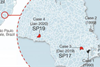
NewsSabiá virus has been circulating in Brazil for 142 years and mutating, study finds
Researchers developed a new method and identified the infection in two patients who died from acute hemorrhagic and neurological syndrome in São Paulo in 2019 and 2020.
-
 News
NewsPatent targets viruses with a breakthrough from linseed oil
A common vegetable oil may hold the key to fighting some of the world’s most dangerous viruses. Scientists have patented a linseed oil polyol-derived compound shown to inhibit viral infections including HIV and SARS-CoV-2 as well as bacterial infections causing strep and staph.
-
 News
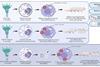
NewsA hypovirulent mycovirus alters stress response and virulence in Talaromyces marneffei
A new study identifies the mycovirus TmNV1 as the first narnavirus discovered in T. maneffei, functioning as a potent virulence attenuator. Coinfection with TmPV1 further amplifies these hypovirulent phenotypes.