
All articles by Linda Stewart – Page 34
-
 News
NewsExperimental gene therapy shields brain from toxic protein damage
An experimental gene therapy could help protect the brain from the damage and cognitive decline linked to TDP-43-related proteinopathy, a type of neurodegeneration.
-
 News
NewsNorth America and Europe could become hotspots for chikungunya virus due to climate change
Enabled by global heating, mosquito-borne chikungunya virus is likely to spread into temperate regions. Under climate change models, the virus will further expand northward into temperate regions, especially northeastern North America, central Europe, and East Asia, researchers say.
-
 News
NewsInternational leaders in probiotic and prebiotic science to gather in Tokyo for one-day symposium
To help strengthen global collaboration and showcase innovative biotics research, The International Scientific Association for Probiotics and Prebiotics (ISAPP) is organizing a scientific symposium on October 6, 2026 in Tokyo, Japan in conjunction with its annual meeting.
-
 News
NewsNP14 aptamer: A novel biosensing recognition element for mutation-resilient SARS-CoV-2 detection
New research investigated a novel DNA aptamer, NP14, and developed an innovative dual-mode biosensing platform to achieve highly sensitive, mutation-resilient viral detection.
-
 News
NewsBrazilian medical students increase vaccine confidence
Vaccination coverage in Brazil has declined in recent years. Medical students at the University of Pernambuco designed and delivered a low-cost, two-hour educational intervention for 25 parents and caregivers waiting for routine appointments at a Family Health Unit in Recife.
-
 News
NewsAutomated EHR alert improved hepatitis B monitoring rates at a primary care clinic
In May 2024, an urban safety-net primary care clinic noted the appearance of a new “care gap” alert in their Epic electronic health record (EHR) system that flagged patients with hepatitis B who were overdue for one blood test, the hepatitis B DNA test.
-
 News
NewsYeast study uncovers how cells identify and silence unwanted jumping genes
Yeast cells sense abnormal RNA patterns produced by invading transposons and respond by activating pathways to silence them, a study shows. This process extends to any invasive DNA, provided it produces enough RNA disturbance for cells to detect.
-
 News
NewsICU pneumonia has mortality rates of 37% to nearly 60% in middle-income countries. In high-income countries, rates are16% to 26%
A scientific review evaluated outcomes of adults with community-acquired pneumonia (CAP) admitted to intensive care units (ICUs) in middle-income countries. In contrast to high-income countries, where mortality ranges from 16% to 26%, the study found significantly higher rates in the countries analyzed.
-
 News
NewsCall for input: UK government to overhaul fertiliser regulation
Applied Microbiology International is calling on members to contribute after the UK government proposed a major overhaul of fertiliser regulation through a new framework: the UK Fertilising Product Regulations (UK FPR).
-
 News
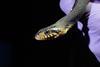
NewsRattlesnakes among most vulnerable to fungal disease and parasitic lung infection
Disease in snakes could pile up following a first infection, with some species in the US particularly affected by certain pathogens, a study of wild snakes shows.
-
 News
NewsClimate change weakens the purification function of lakes
Lakes play a vital filtering role in the ecosystem: they remove excess nitrogen from the water. An international research team has now shown that climate change could weaken this natural purification process. This would have consequences extending all the way to coastal marine ecosystems.
-
 News
NewsNASCAR star’s death shows how sepsis can kill anyone if not caught
Kyle Busch won more races than any driver in NASCAR history. But his own race ended far too soon, cut short by sepsis at the age of 41 after a case of pneumonia.
-
 News
NewsScientists discover thriving hard-substrate fauna in Oceania’s deep sea
In the crushing darkness of the hadal zone—deep ocean trenches plunging 6,000 m to nearly 11,000 m—scientists have uncovered a hidden community. A study reports the discovery of a protist-dominated hard-substrate fauna across seven hadal regions in Oceania, highlighting an overlooked yet highly active carbon “hotspot.”
-
 News
NewsCheese bacteria could offer health benefits
Scientists identified the microbial and biochemical profiles of three artisan cheeses made locally in Oxfordshire across their maturation process, and found that the bacteria responsible for a cheese’s character could also benefit the people who eat it.
-
 News
NewsNew immune system enhancer extends COVID-19 vaccine protection reducing need for repeated boosters
Researchers demonstrated that pairing the original COVID-19 mRNA vaccine with an adjuvant extended the duration of the vaccine’s protection in mice from a few months up to two years. The combo also showed a more pronounced response against omicron viral components than the vaccine alone.
-
 News
NewsStudents develop milk pathogen test kit and win TED Youth Startup Grant
Inspired by the widely used and user-friendly COVID-19 strip test kits, a team of science students has developed a test kit for detecting pathogens in milk and dairy products. They combined the LAMP technique with strip test technology to create a simple screening tool for harmful bacteria.
-
 News
NewsResearchers investigate soil microbes from around the world for new antibacterial drugs
A team of researchers is looking to nature to find microbes that can be used to create new antibiotics to treat the growing threat of drug-resistant bacteria. They will screen soil microbes from around the world to hunt for sources of new antibacterial drugs.
-
 News
NewsNew study links gut bacteria to immunotherapy success in melanoma patients
Researchers have identified specific gut bacteria linked to better responses to cancer immunotherapy in patients with advanced melanoma. Patients who responded well to treatment were more likely to have a specific type of gut bacteria called Faecalibacterium.
-
 News
NewsIs organic farming the solution to enhance natural drought resilience in crops?
New research confirms that soils treated organically for decades favor the increase of bacteria, especially the genus Bacillus, which are characterized by being highly resilient to survive in extreme conditions and act as a ‘protective shield’ of plants.
-
 News
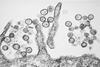
NewsStudy finds high prevalence of hantavirus in some areas of the Pacific Northwest
A recent study conducted in the Palouse region of Washington and Idaho found that nearly 30% of rodents showed evidence of past infection with the Sin Nombre virus. About 10% were actively infected, meaning they were carrying and could potentially shed the virus.