
All Medical Microbiology articles – Page 13
-
 News
NewsOne dose of antibiotic treats early syphilis as well as three doses
Researchers have found that a single injection of the antibiotic benzathine penicillin G (BPG) successfully treated early syphilis just as well as the three-injection regimen used by many clinicians. These findings from a late-stage clinical trial suggest the second and third doses of conventional BPG therapy do not provide a health benefit.
-
 News
NewsClinical study shows that nasal spray containing azelastine reduces risk of coronavirus infection by two-thirds
In addition to showing a marked reduction in coronavirus infections, the azelastine group also displayed fewer symptomatic SARS-CoV-2 infections, a lower overall number of confirmed respiratory infections, and, unexpectedly, a reduced incidence of rhinovirus infections, another major cause of respiratory illness.
-
 News
NewsNew pimple patches deliver a powerful remedy to unwanted zits
Researchers have designed a two-stage pimple patch set with an array of tiny spikes that grabs onto the pimple and delivers antibacterial or anti-inflammatory compounds. Human clinical trials confirmed that the pimples disappeared after seven days of treatment.
-
 News
NewsOne shot of RSV vaccine effective against hospitalization in older adults for two seasons
One shot of an RSV vaccine protects adults ages 60 or older from RSV-associated hospitalization and critical illness during two consecutive RSV seasons, according to a new study.
-
 News
NewsNew sepsis diagnostic could reduce critical time to save patients
A new diagnostic method would confirm sepsis infections earlier, cutting critical hours in the “race against time” to save patients’ lives. The process uses a centrifuge to separate bacteria from blood cells, and automatic microscopy for detection.
-
 News
NewsGuideline on respiratory infections in leukemia revised
People with leukemia have a weakened immune system due to the disease itself and treatment, which leads to an increased susceptibility to infections. In a revised guideline, experts summarize the findings of the past ten years on all viruses that cause respiratory infections.
-
 News
NewsPertussis resurgence in Tuscany outlines importance of timely vaccination in Italy
Research analysing 2016-2024 data from all pertussis-related hospitalisations in Tuscany, Italy, finds a ninefold increase in pertussis cases in 2024 among children and adolescents.
-
 News
NewsGI tumor microbes may predict prognosis and inform treatment
Intratumor microbes can play a role in disease progression and response to treatment. Researchers have identified core tumor microbiota associated with disease progression and risk, developing a microbiota-based risk score that can predict response to therapy.
-
 News
NewsCommon painkillers linked to antibiotic resistance
Ibuprofen and paracetamol are common over-the-counter medications that many of us reach for when we’re sick. But new research shows that these trusted staples are quietly fuelling one of the world’s biggest health threats: antibiotic resistance.
-
 News
NewsGut bacteria can reveal colorectal cancer
Researchers identified all human gut bacteria to a level of detail that uncovers the physiological importance of the different microbial subgroups. This inventory was then used to detect the presence of colorectal cancer according to the bacteria present in simple stool samples.
-
 News
NewsA microbial DNA signature differentiates two types of cancer in the liver
Researchers have identified a microbial DNA signature in blood plasma that reliably differentiates primary liver cancer from colorectal cancer that has spread to the liver (metastatic colorectal cancer).
-
 News
NewsOne universal antiviral to rule them all?
Taking inspiration from a rare mutation that makes people impervious to viral diseases, a researcher is developing a therapy that could bestow this superpower on the rest of us. The mutation causes a deficiency in an immune regulator called ISG15.
-
 News
News CRISPR-based therapeutics hold potential to combat AMR and cure chronic viral infections, says GlobalData
CRISPR-based therapeutics show potential to combat antimicrobial resistance (AMR) and deliver functional cures for chronic viral infections, says GlobalData, a leading data and analytics company.
-
 News
NewsMount Sinai creates first manual for treating infection-associated chronic illness for clinicians
Mount Sinai has launched the country’s first clinical manual for treating infection-associated chronic illnesses (IACIs). This comprehensive guide, prepared by the Cohen Center for Recovery From Complex Chronic Illnesses, part of the Department of Rehabilitation and Human Performance, will help clinicians better diagnose and care for patients with conditions such ...
-
 News
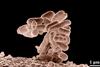
News‘Controlled evolution’ dramatically boosts pDNA production for biomedical manufacturing
Researchers have controlled the evolution of E. coli bacteria in the lab in order to dramatically increase the amount of plasmid DNA (pDNA) these modified bacteria produce. pDNA is an essential – and expensive – ingredient in many gene therapies.
-
 News
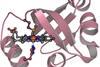
NewsBacterial protein therapy shows promise as first-ever antidote for carbon monoxide poisoning
Researchers have engineered a new molecule that appears promising as an effective antidote for carbon monoxide poisoning with fewer side effects than other molecules currently being tested.
-
 News
NewsScientists find a microbial molecule that restores liver and gut health
Researchers have discovered that a natural molecule made by gut bacteria can reverse liver damage and repair the gut lining after aflatoxin exposure. The treatment may offer a new, non-toxic way to prevent and treat non-alcoholic fatty liver disease (NAFLD).
-
 News
NewsAs school returns, so do infections & asthma emergencies. Where kids live can make it worse
A new study highlights how neighborhood conditions shape the seasonal surge of virus-triggered asthma emergencies. It found that children in under-resourced communities face sharply higher rates of asthma flare-ups tied to viral infections during the first weeks of school.
-
 News
NewsMultidrug-resistant bacteria spread from war-zone hospitals to other countries
After Russia’s full-scale invasion, thousands of patients were transferred from Ukraine to other European countries. Researchers in Helsinki found that 8% of Ukrainian refugees had been hospitalised due to war injuries. Almost 80% of them carried multidrug resistant bacteria.
-
 News
NewsResearchers identify a potential biomarker for long COVID
Researchers have identified a potential biomarker for long COVID. The study results detail the detection of SARS-CoV-2 protein fragments within extracellular vesicles (EVs) — tiny, naturally occurring packages that help cells share proteins, metabolites, and other materials.