
All Medical Microbiology articles – Page 9
-
 News
News‘Nudging’ both patients and providers boosts flu vaccine numbers
Patients were 28 per cent more likely to get a flu shot when they got a text message reminder and their primary care provider already had an order for the shot waiting, new research showed.
-
 News
NewsAntibiotic therapy: is shorter just as effective?
Shorter-duration antibiotic therapy shows comparable success to longer-duration treatment in children with community-acquired pneumonia. However, a general conclusion about a shortened treatment duration is not possible, Tthe authors of a new study say.
-
 News
NewsStudy suggests link between viral infection and ALS
Researchers have made a potentially game-changing discovery about the development of devastating motor neuron diseases. They identified a specific type of mouse — the CC023 strain — that responds to a viral infection in a way that looks remarkably similar to humans with amyotrophic lateral sclerosis.
-
 News
NewsDouble trouble: Tobacco use and Long COVID
Researchers investigating the relationship between Long Covid symptoms and smoking by tobacco type found that certain symptoms correlated with different forms of smoking.
-
 News
NewsMore investigations needed into Wumei Pills-Lactobacillus Reuteri-intestinal stem cell axis for chemotherapy-Induced mucositis
A new letter appraising a recent study suggests the reported benefits of WMP and Lactobacillus reuteri in chemotherapy-induced mucositis are promising, but stronger causal and analytical foundations are needed.
-
 News
NewsExpert consensus on clinical applications of fecal microbiota transplantation for chronic liver disease
To assist clinicians in rapidly mastering and standardizing the clinical application of FMT for chronic liver disease, an expert consensus has been developed to address key aspects of FMT application and provide reference and guidance for clinical practice.
-
 News
NewsLow vitamin D levels shown to raise risk of hospitalization with potentially fatal respiratory tract infections by 33%
Severe vitamin D deficiency is associated with a higher rate of hospitalisation for respiratory tract infections such as bronchitis and pneumonia. Scientists found that those with a severe deficiency (below 15 nnmol/L) were 33 per cent more likely to be admitted to hospital for treatment.
-
 News
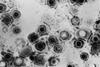
NewsMajor clinical trial provides definitive evidence of impacts of steroid treatment on severe brain infection
A major UK clinical trial has shown that adding the corticosteroid dexamethasone to standard antiviral treatment for encephalitis, caused by herpes simplex virus (HSV) does not improve long-term outcomes overall, although early use may lead to better recovery.
-
 News
NewsValneva provides update on Chikungunya vaccine IXCHIQ®
Valneva SE has announced that the company has decided to voluntarily withdraw the biologics license application (BLA) and Investigational New Drug (IND) application for its chikungunya vaccine, IXCHIQ® , in the United States, following suspension of the license by the FDA.
-
 News
News58% of patients affected by 2022 mpox outbreak report lasting physical symptoms
A cohort study found that more than half of those diagnosed with mpox during the 2022 outbreak still had lingering physical effects 11 to 18 months later.
-
 News
NewsPregnant women hospitalized for COVID-19, and their newborns, have higher complication risk
When hospitalized for COVID-19, pregnant women — and their eventual newborn children — have a higher risk of complications. Research revealed that pregnant women were nearly 3.5 times more likely than non-pregnant women to require respiratory support when hospitalized for COVID-19.
-
 News
NewsResearch reveals hidden diversity of E. coli driving diabetic foot infections
New research has shed light on the diversity and characteristics of E. coli strains that drive diabetic foot infections, providing the first comprehensive genomic characterisation of E. coli strains isolated directly from diabetic foot ulcers across multiple continents.
-
 News
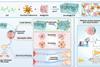
NewsInjectable hydrogel-mediated co-delivery of oncolytic adenovirus and melphalan for retinoblastoma control and vision preservation
The collagen-based hydrogel enabled controlled oncolytic adenovirus and melphalan release and sustained retention. This approach eradicated retinoblastoma tumors and restored normal ocular structure and visual function following intravitreal administration.
-
 News
NewsSunlight-activated nanospray enables painless, antibiotic-free therapy for infected diabetic wounds
A research team has reported a multifunctional photodynamic nanospray for chronic infected wounds that harnesses natural sunlight to address persistent bacterial infections, impaired healing and severe pain simultaneously.
-
 News
NewsResearcher reveals secrets of bacteria that can swim upstream
Rather than washing pathogens away, strong fluid currents act as “guide rails” that align bacteria and accelerate their upstream migration. They discovered that this creates a “two-way invasion” where pioneer cells reach the source within minutes, seeding colonies that spread threefold faster than in still water.
-
 News
NewsWhat causes some people’s gut microbes to produce high alcohol levels?
A study of people with a rare condition known as auto-brewery syndrome has found a link between gut microbes and symptoms of intoxication, pointing to new treatment strategies.
-
 News
NewsA high-protein diet can defeat cholera infection
A new study has found that diets high in casein, the main protein in milk and cheese, as well as wheat gluten, could make a dramatic difference in the amount of cholera bacteria able to infect the gut.
-
 News
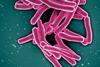
NewsNew clinical standards strengthen antimicrobial stewardship in tuberculosis care
An international panel of experts from 32 countries has presented specific antimicrobial stewardship standards for TB care for the first time.
-
 News
NewsHigh-dose antibiotic does not reduce mortality in tuberculous meningitis
The first trial examining the effects of higher rifampicin doses on tuberculosis survival has been completed. The study found no evidence of a beneficial effect from high-dose rifampicin.
-
 News
NewsFiltering the invisible: New evidence points to more efficient indoor air microbe sampling
Using fluorescence-based detection, a new study provides clear, quantitative evidence that sampling principle, collection medium, and airflow rate strongly shape how well indoor microbial aerosols can be measured.