
Head and neck squamous cell carcinoma (HNSCC) remains a major clinical challenge. Even after surgery, radiation, and chemotherapy successfully eliminate detectable disease, many patients experience recurrence within the following years. Researchers have therefore been exploring whether immunotherapy-based approaches can help strengthen anti-tumor immune responses and reduce the risk of cancer returning.
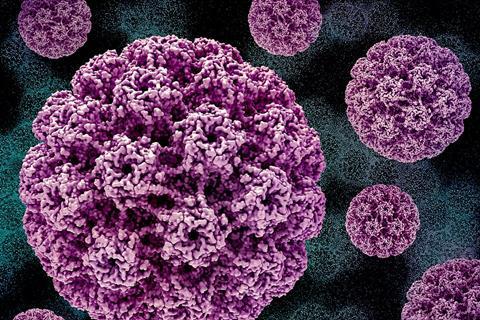
New research published in Oncotarget, led by first author Emily Bivens and corresponding author Mayumi Nakagawa from the University of Arkansas for Medical Sciences evaluates PepCan, an experimental therapeutic vaccine designed to stimulate immune responses against human papillomavirus type 16 (HPV 16).
Therapetic vaccines
Unlike preventive HPV vaccines that aim to stop infection before it occurs, therapeutic vaccines are intended to activate the immune system against existing HPV-related disease. PepCan contains four HPV 16 E6 peptides combined with a Candida-derived immune-stimulating adjuvant.
The randomized, double-blind, placebo-controlled Phase I/II trial enrolled 17 patients with HNSCC who had completed standard treatment and had no evidence of disease at the time of enrollment. Participants were randomized to receive either PepCan or placebo and were followed for up to two years to assess safety, immune responses, and cancer recurrence.
Safety and Recurrence risk
The vaccine demonstrated a favorable overall safety profile. The most common adverse events were mild injection-site reactions, which occurred significantly more often in patients receiving PepCan. Two participants experienced allergic reactions after their sixth vaccination, including one grade 3 event, and these reactions were classified as dose-limiting toxicities. Importantly, no serious adverse events were reported during the study.
The investigators also examined whether vaccination reduced recurrence rates. Unexpectedly, recurrence-free outcomes were numerically higher in the placebo group than in the PepCan group. However, the study was stopped early because of vaccine peptide production issues and the emergence of findings from another related clinical trial, resulting in a much smaller sample size than originally planned. As a result, the study was not sufficiently powered to determine whether PepCan truly affects recurrence risk.
T-cell responses
Although the clinical results were inconclusive, several immunologic findings were noteworthy. Patients in the PepCan group who remained recurrence-free showed a trend toward developing new T-cell responses against HPV 16 E6 after vaccination. In addition, higher levels of circulating T helper type 1 (Th1) cells before vaccination were associated with non-recurrence, suggesting that pre-existing immune status may influence vaccine responsiveness.
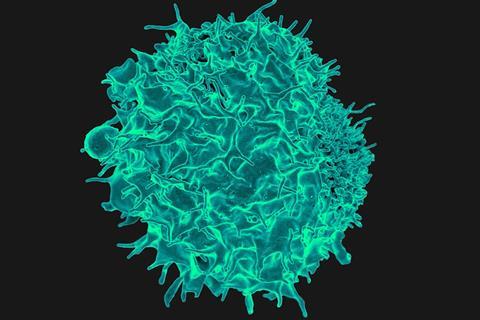
The researchers also analyzed T-cell receptor repertoires, cytokine profiles, and oral and gut microbiomes. While no major microbiome differences were identified, the immune analyses provided additional evidence that vaccine-induced cellular immune responses may be linked to clinical outcomes in some patients.
Cancer vaccines
According to the authors, the findings highlight both the promise and the challenges of therapeutic cancer vaccines. While PepCan generated immune responses in some participants and was generally well tolerated, larger studies will be needed to determine whether vaccine-induced immune activation can ultimately translate into meaningful reductions in cancer recurrence.
Overall, the trial provides important early clinical data on a therapeutic HPV vaccine for head and neck cancer. Although the study could not demonstrate a reduction in recurrence, the immune findings offer valuable insights that may help guide the development of future immunotherapeutic strategies aimed at preventing disease relapse after treatment.
Topics
- Cancer Microbiology
- cancer vaccines
- Clinical & Diagnostics
- clinical trials
- Disease Treatment & Prevention
- Emily Bivens
- head and neck squamous cell carcinoma
- human papillomavirus
- Immunology
- Mayumi Nakagawa
- Medical Microbiology
- One Health
- Pharmaceutical Microbiology
- Research News
- T helper cells
- University of Arkansas for Medical Sciences
- USA & Canada
- vaccination
- Viruses



.jpg)
.jpg)
No comments yet