
Thousands of young people across England will get protection against meningococcal B disease (MenB) through a one-off vaccination programme launching ahead of the 2026 academic year.
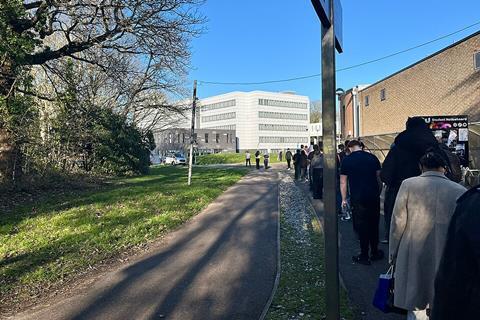
Eligible students will be offered a two-dose vaccination before they start university, where close and prolonged contact in halls and at social events can increase the risk of contracting MenB disease. Two doses of the vaccine are essential for protection.
Meningococcal disease is life-threatening and can result in life-changing disabilities such as amputations, hearing loss, and brain damage. It is fatal in around 10% of cases. The viruses and bacteria that cause meningitis can be spread through close contact with a person who has them. This can be through kissing or sharing drinks or vapes or close contact with the person for long periods of time, such as living in the same home.
The MenB outbreak in Kent earlier this year was the fastest growing and largest ever seen in the UK. While the response to that incident has concluded, there have also been more clusters than normal this year, some of which have been bigger than expected.
Young adults and teenagers
UKHSA data shows there were 313 confirmed cases of Meningococcal Group B (MenB) in England during 2024/25, which accounts for approximately 83% of all invasive meningococcal disease (IMD) cases, disproportionately affecting young adults and teenagers, as well as infants who are already offered the vaccine through the NHS schedule.
This one-off vaccination programme will help to protect those at highest immediate risk while the government monitors and assesses new evidence to determine whether there has been a change in the way MenB affects people and whether any further vaccine rollout response is required.
Secretary of State for Health and Social Care, James Murray said: “The Kent outbreak and recent clusters indicate a possible change to the way MenB affects people. While we assess the latest evidence, we are acting now to help protect young people at highest immediate risk as they enter university and residential colleges this autumn.
“The one-off programme will make MenB vaccination available to people who complete year 13 of education in the summer of 2026 born between 1st September 2007 and 31st August 2008 as well as people under 25-years old starting university or moving into some residential further education settings for the first time in autumn 2026.
Horrendous disease
“By offering a two-doses of the jabs ahead of the academic year, we will help reduce the risk of serious illness and larger outbreaks of this horrendous disease.
“I urge all those students who are eligible to come forward for their two doses in July and August, to give them peace of mind as they head off to continue their studies.”
The one-off programme will make MenB vaccination available to people who complete year 13 of education in the summer of 2026 born between 1st September 2007 and 31st August 2008 as well as people under 25-years old starting university or moving into some residential further education settings for the first time in autumn 2026.
Peak in autumn
UKHSA estimate that the relative risk of invasive MenB disease in first year university students is substantially greater than in their peers. We know that cases of invasive meningococcal disease tend to peak in October to November each year. The vaccine programme will help protect those at highest immediate risk of serious illness as they move into shared accommodation.
All people within the Year 13 date of birth range will receive the offer irrespective of their education plans. Post-graduates or those starting a second (or later) year will not be covered by this offer.
Those eligible in Year 13 will be contacted directly through the NHS app, text, email, or letter depending on records held by the health service.
Following the recent outbreaks, the JCVI provided the government with an assessment on the relative priority for vaccination, if a one-off targeted programme was decided on by Ministers. Further advice from the JCVI on the considerations for a longer programme will follow.
This one-off programme is running now to protect those at highest immediate risk ahead of the usual autumn peak in meningitis in this age group. The JCVI is updating its assessment of the appropriate eligibility for routine Meningococcal B vaccination which will be provided to Minsters as soon as possible.
Rare but serious
Deputy Chief Medical Officer Dr Thomas Waite said: “Meningococcal B disease is a rare but very serious infection which is fatal in up to 10% of cases and can cause life long injury.
“There has been an increase in clusters of disease this year and so this one-off programme is designed to provide direct protection to those at highest immediate risk which is typically when students travel from across the country to attend University and Further Education for the first time.
“Two doses of the MenB vaccine, at least four weeks apart are needed for maximum protection, and I encourage everyone who is attending University and Further Education for the first time this Autumn to come forward for their first dose as soon as possible.”
Safety record
The MenB vaccine has an established safety record and is already offered routinely to infants through the NHS childhood vaccination programme. Evidence from the UK infant vaccination programme shows that vaccination has led to around a 75% reduction in MenB disease among eligible vaccinated groups.
The NHS has begun operational rollout planning with vaccinations expected to be available in England from the end of July 2026 ahead of the new academic year.
Alongside the rollout, DHSC, NHS England and UKHSA will deliver a public information campaign to drive uptake among eligible groups.
Devastating outbreaks
Dr Shamez Ladhani, Consultant Epidemiologist at UKHSA, said: “While MenB outbreaks are uncommon, when they occur, they can be devastating as recent outbreaks have sadly shown.
“The risk is higher among young people starting university where close and prolonged contact with lots of new people increases the chances of being exposed to the meningococcal bacteria. Two doses of the MenB vaccine is essential and will give good protection against most strains and help to give young people and their families some reassurance.”
Minister for Skills, Baroness Jacqui Smith, said: “Starting university or college is an exciting milestone. This vaccination programme means students can focus on their studies and new experiences, knowing they have taken an important step to protect their health. I encourage every eligible student to come forward for both doses as soon as possible.”
Vital vaccination programme
Caroline Temmink, director of vaccination at NHS England, said: “The NHS is ready to deliver this vital vaccination programme with appointments available at a number of community pharmacies from the end of July ahead of students starting university.
“Those eligible will be contacted directly through the NHS App, by text and email and for those under 25 starting university for the first time they will be able to book their appointment directly with available pharmacies.
“Meningitis can be life-threatening and we urge everyone eligible to book appointments for their MenB vaccines soon as bookings open in mid-July and to get both doses to ensure maximum protection.”
The government will work closely with universities, colleges, NHS organisations, student representative groups and professional bodies to support consistent messaging and successful delivery of the programme.





No comments yet