
Scientists at the University of Illinois Chicago have discovered a new antibiotic that may be a bulwark in the fight against drug-resistant superbugs, according to new research published in Nature.
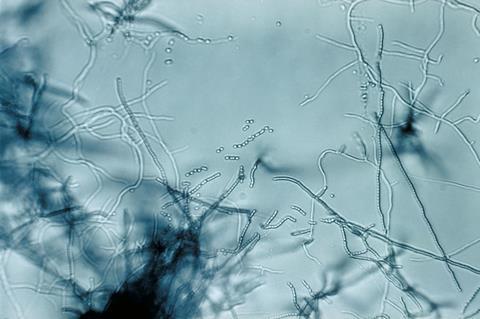
The study introduces an antibiotic called manikomycin that is naturally made by bacteria found in soil, which acts by binding to bacterial ribosomes. This is a common method of action for antibiotics; however, manikomycin acts on the ribosome in a novel way and as such can evade the existing mechanisms pathogens have developed to resist antibiotics.
Microbial source
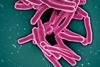
Manikomycin is a peptide that is produced naturally by a bacterium called Streptomyces rimosus. Because this bacterium lives in soil, it has to compete with many other microbes in its environment. It produces antibiotic compounds like manikomycin as a survival strategy to compete with other bacteria.
Streptomyces rimosus has been known of for decades and is already the source of other antibiotics, including the widely used oxytetracycline. But Travin and Mankin’s colleagues at McMaster University in Canada used clever screening methods to look for possible other antibiotics also produced by Streptomyces rimosus, including those made in small amounts which may have been previously overshadowed by more abundant ones.
When it binds the ribosome, manikomycin interferes with the process of protein production and blocks an important molecule from exiting the ribosome. That halts protein synthesis entirely.
“The ribosome is the target of about one third of all antibiotics prescribed currently,” said Dmitrii Travin, assistant professor of pharmaceutical sciences in the Retzky College of Pharmacy and a first author of the paper. He went on to say, “This new antibiotic is amazing because it targets a site of the ribosome that has never been targeted by any other molecule before.”
Clinical hurdles and resistance
Still, manikomycin is not yet ready to be used as a medicine.
“This antibiotic does not hang around long enough in the bloodstream to efficiently kill bacteria in animals or humans, so there are several things about this antibiotic that need to be improved before it can become a clinically used medicine,” said Alexander Mankin, co-author of the paper and distinguished professor in the Retzky College of Pharmacy. “But what’s important is we know the chemical structure of the antibiotic, and we know exactly how it binds to the ribosome.” The team’s collaborators at the University of Hamburg in Germany obtained a high-resolution structure of manikomycin bound with the ribosome.
The researchers have also determined how manikomycin enters bacterial cells and found it uses multiple transport pathways which may make it harder for bacterial resistance to develop. Furthermore, they also examined how the Streptomyces rimosus protects itself from the effects of manikomycin. By understanding that self-protection mechanism, researchers can modify the antibiotic so it can overcome similar resistance strategies.
“If you are producing a weapon, you need to protect yourself against it,” Travin said.
Topics
- Antibiotic resistance
- Antibiotics
- antibiotics
- Antimicrobial Resistance
- Bacteria
- Infection Prevention & Control
- Infectious Disease
- manikomycin
- McMaster University
- Medical microbiology
- Medical Microbiology
- One Health
- Prof Alexander Mankin
- Prof Dmitrii Travin
- Research News
- Soil & Plant Science
- Streptomyces rimosus
- University of Illinois Chicago
- USA & Canada

No comments yet