
Capnocytophaga canimorsus is a bacterium found in the mouths of dogs and cats. It can cause severe sepsis, and in some cases leads to purpura fulminans (PF), a condition that triggers rapid tissue necrosis due to blood clotting in small vessels.
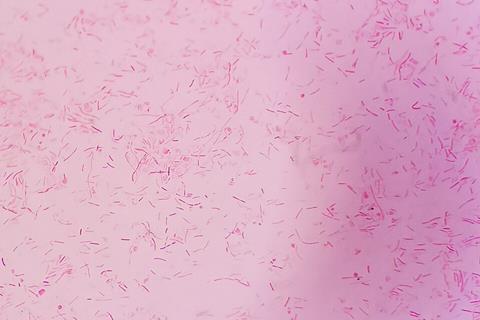
PF is most commonly caused by meningococcal or pneumococcal bacteria, with Capnocytophaga canimorsus being the third most frequent cause. Facial necrosis from PF is particularly challenging to manage because of the complex aesthetic and functional demands of nasal and lip reconstruction.
This case describes a 60-year-old immunocompetent man who developed PF after a cat licked a wound on his lower limb. The infection resulted in extensive necrosis of the nose, septum, and upper lip. Reconstruction was successfully performed using a two-stage paramedian forehead flap, bilateral septal hinge flaps, conchal cartilage grafts, and bony support from the maxillary crest. The patient achieved satisfactory functional and aesthetic outcomes. To date, this is the first reported nasal reconstruction following PF caused by Capnocytophaga canimorsus infection.
The work, titled “Severe nasofacial necrosis from Capnocytophaga canimorsus: A case report of disease and reconstruction”, was published on Eye & ENT Research (published on March 25, 2026).


No comments yet