
All Microbial Genomics articles – Page 2
-
 News
NewsScientists probe links between green space exposure, mental health and the nasal microbiome
Researchers recently studied associations among green space exposure, mental well-being, and the nasal microbiome—the microbes in a person’s nose. The analysis showed correlations among microbial signatures, time spent outdoors and positive mental well-being.
-
 News
NewsNew tool quickly sequences hantavirus genome
The genetic diversity of hantavirus and the low levels of virus typically found in patient samples make sequencing its genome particularly challenging. Researchers have developed a new, effective, and low-cost way to carry out whole genome sequencing for hantaviruses.
-
 News
NewsStudy reveals “bet-hedging” strategy that helps gut bacteria survive and recover
Researchers have discovered that many gut bacteria use a flexible survival strategy to withstand disruptions such as antibiotics and diet changes. Microbes can switch between functional states, rather than relying solely on genetic mutations, to try to survive shifting conditions.
-
 News
NewsHow river DNA can track fish, frogs, fungi and human feces — all at once
A single scoop of water from an Irish river revealed evidence not only of Ireland’s only frog species, but also signs of the dreaded B. dendrobatidis fungus, marking the first time this devastating amphibian disease has been spotted in the country and exposing a previously unknown risk to Ireland’s frog population.
-
 News
NewsJ. Craig Venter, genomics pioneer and founder of JCVI and Diploid Genomics, Inc., dies at 79
The J. Craig Venter Institute (JCVI) has announced that J. Craig Venter, Ph.D., the Institute’s founder, board chair, and chief executive officer, died in San Diego following a brief hospitalization for unexpected side effects that arose from treatment of recently diagnosed cancer.
-
 News
NewsA universal toolkit for editing bacterial DNA
A major collaboration involving nine labs has transferred a particularly useful DNA editing system from E. coli into 14 new species of bacteria, spanning three major branches of the bacterial family tree.
-
 News
NewsViruses found in Antarctic air, including some new to science
It may seem stark and lifeless, but the air around the remote sub-Antarctic island of South Georgia contains viruses, including some that are new to science. Using metagenomics, researchers discovered that South Georgia harbours a diverse and dynamic airborne viral community.
-
 News
NewsAncient tooth reveals the bacterium responsible for scarlet fever was not introduced to the Americas by Europeans
A research team has identified the Streptococcus pyogenes bacterium in a pre-Columbian Bolivian mummy and, for the first time, reconstructed the genome of this centuries-old pathogen.
-
 News
NewsHow soil microbes adapt to life in lakes
Researchers have analyzed the genome of bacteria living in Lake Zurich to conclude that microbes employ two different strategies to colonize new habitats. Some acquire new traits – but others reduce the size of their genome and lose some functions in order to successfully move to a new home.
-
 News
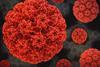
NewsMethod for amplifying the full genome of human papillomavirus 16 uses overlapping extension polymerase chain reaction
Human papillomavirus (HPV) is a double-stranded circular DNA virus with a genome of approximately 7–8 kb. A new study aims to establish an overlapping extension polymerase chain reaction method for the amplification of the entire genome of HPV16.
-
 News
NewsHow microbes survive in the plastisphere
Trillions of persistent plastic particles of varying sizes are scattered throughout the world’s oceans, where they often accumulate in ocean gyres known as ‘garbage patches’. Two of these regions were the focus of research expeditions.
-
 News
NewsSoil bacteria break down toxic chemicals in the environment
Soil bacteria can help to break toxic aromatic compounds down. For one of these, Rhodococcus opacus 1CP, researchers have analyzed the genome and identified many potential metabolic pathways that the bacterium can employ to act as a ‘clean-up specialist’.
-
 News
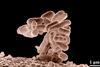
NewsTracking bacteria’s protective armor could help find targeted vaccine targets
The first large-scale genetic study of E. coli’s protective armour has identified the five capsule types that are responsible for 70 per cent of all multidrug-resistant bloodstream infections in Europe.
-
 News
NewsNew findings on infection with the Epstein-Barr virus
Researchers have identified genetic and non-genetic factors that help the body fight the Epstein-Barr virus. Using a new technique, they were able to estimate the amount of EBV in the blood and find correlations in large health data sets – for example, an increased viral load in people with HIV infections, but also in smokers.
-
 News
NewsGolden Gate method enables rapid, fully-synthetic engineering of therapeutically relevant bacteriophages
Researchers have described the first fully synthetic bacteriophage engineering system for Pseudomonas aeruginosa. In this method, researchers engineer bacteriophages synthetically using sequence data rather than bacteriophage isolates.
-
 News
NewsEarly intervention of cyanobacterial risks starting from the genome?
A new study proposes using “~3 Mbp” as a threshold to establish a genome size-oriented proxy indicator for cyanobacterial risk early warning.
-
 News
NewsResearch reveals hidden diversity of E. coli driving diabetic foot infections
New research has shed light on the diversity and characteristics of E. coli strains that drive diabetic foot infections, providing the first comprehensive genomic characterisation of E. coli strains isolated directly from diabetic foot ulcers across multiple continents.
-
 News
NewsNew study reveals evolutionary and domestication history of button mushroom
A large-scale population genomic study has shed new light on the evolutionary and domestication history of the button mushroom (Agaricus bisporus), one of the most widely cultivated edible fungi in the world.
-
 News
NewsScience army mobilizes to map US soil microbiome
A small army of researchers are working to catalog the vast and largely unknown soil microbiome of the United States. The project, one of the biggest microbiome studies ever attempted, has already resulted in the discovery of more than 1,000 new strains of bacteria and never-before-seen microbes.
-
 News
NewsAsia PGI and partners unveil preview of PathGen: New AI-powered outbreak intelligence tool
Asia Pathogen Genomics Initiative (Asia PGI) has offered the first public preview of PathGen, an AI-powered sense-making and decision-making support platform of pathogen genomics and contextual data.