
More News – Page 21
-
 News
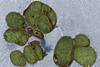
NewsScientists determine how mysterious acids give bacteria their shape
Researchers have discovered how acids on the surface of bacteria give these microscopic organisms their characteristic “rod” shape—by keeping an enzyme at bay that would otherwise turn the cylindrical cells into shape-shifting blobs.
-
 News
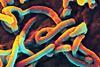
NewsScientists identify nearly two dozen antiviral compounds that could treat Ebola virus
Recent advances in artificial intelligence have enabled scientists to identify nearly two dozen antiviral compounds that could potentially treat a rare species of Ebola virus (Bundibugyo virus) currently affecting the Democratic Republic of Congo.
-
 News
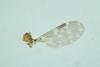
NewsInsect wing identifying app to tackle tropical disease threat
A mobile app that identifies disease-carrying insects from their wing patterns is being developed as part of a project using AI to help diagnose tropical diseases.
-
 News
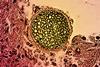
NewsStudies point to new way to fight potentially deadly Valley Fever
To better understand why Valley Fever spreads in some individuals, researchers found that patients with severe illness had an abnormal immune response. In some cases, the immune system was overactive; in other cases it was underactive.
-
 News
NewsGut microbiome clusters may help predict inflammatory bowel disease severity and progression
A new study reports that the gut microbiome of IBD patients can be grouped into distinct compositional “cluster types” associated with disease severity and progression risk. These reflect higher-order microbial community organization rather than variation in individual bacterial species.
-
 News
NewsNew urine test for microbial metabolites offers simple way to screen for autism in children
Scientists have developed a new screening tool to test urine for 17 microbial metabolites in children ages 2 to 11 years. By measuring these compounds in urine, they discovered that they could distinguish children with autism from typically developing children in their study groups with high accuracy.
-
 News
NewsInternational award honors microbiology researchers for diatom research
Two microbiology researchers from the University of Tennessee, Knoxville, are being honored with an international award that recognizes their insights into aquatic microbes that are vital to Earth’s ecosystems.
-
 News
NewsExperimental gene therapy shields brain from toxic protein damage
An experimental gene therapy could help protect the brain from the damage and cognitive decline linked to TDP-43-related proteinopathy, a type of neurodegeneration.
-
 News
NewsNorth America and Europe could become hotspots for chikungunya virus due to climate change
Enabled by global heating, mosquito-borne chikungunya virus is likely to spread into temperate regions. Under climate change models, the virus will further expand northward into temperate regions, especially northeastern North America, central Europe, and East Asia, researchers say.
-
 News
NewsInternational leaders in probiotic and prebiotic science to gather in Tokyo for one-day symposium
To help strengthen global collaboration and showcase innovative biotics research, The International Scientific Association for Probiotics and Prebiotics (ISAPP) is organizing a scientific symposium on October 6, 2026 in Tokyo, Japan in conjunction with its annual meeting.
-
 News
NewsNP14 aptamer: A novel biosensing recognition element for mutation-resilient SARS-CoV-2 detection
New research investigated a novel DNA aptamer, NP14, and developed an innovative dual-mode biosensing platform to achieve highly sensitive, mutation-resilient viral detection.
-
 News
NewsBrazilian medical students increase vaccine confidence
Vaccination coverage in Brazil has declined in recent years. Medical students at the University of Pernambuco designed and delivered a low-cost, two-hour educational intervention for 25 parents and caregivers waiting for routine appointments at a Family Health Unit in Recife.
-
 News
NewsAutomated EHR alert improved hepatitis B monitoring rates at a primary care clinic
In May 2024, an urban safety-net primary care clinic noted the appearance of a new “care gap” alert in their Epic electronic health record (EHR) system that flagged patients with hepatitis B who were overdue for one blood test, the hepatitis B DNA test.
-
 News
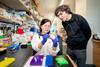
NewsYeast study uncovers how cells identify and silence unwanted jumping genes
Yeast cells sense abnormal RNA patterns produced by invading transposons and respond by activating pathways to silence them, a study shows. This process extends to any invasive DNA, provided it produces enough RNA disturbance for cells to detect.
-
 News
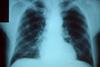
NewsICU pneumonia has mortality rates of 37% to nearly 60% in middle-income countries. In high-income countries, rates are16% to 26%
A scientific review evaluated outcomes of adults with community-acquired pneumonia (CAP) admitted to intensive care units (ICUs) in middle-income countries. In contrast to high-income countries, where mortality ranges from 16% to 26%, the study found significantly higher rates in the countries analyzed.
-
 News
NewsCall for input: UK government to overhaul fertiliser regulation
Applied Microbiology International is calling on members to contribute after the UK government proposed a major overhaul of fertiliser regulation through a new framework: the UK Fertilising Product Regulations (UK FPR).
-
 News
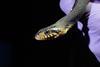
NewsRattlesnakes among most vulnerable to fungal disease and parasitic lung infection
Disease in snakes could pile up following a first infection, with some species in the US particularly affected by certain pathogens, a study of wild snakes shows.
-
 News
NewsClimate change weakens the purification function of lakes
Lakes play a vital filtering role in the ecosystem: they remove excess nitrogen from the water. An international research team has now shown that climate change could weaken this natural purification process. This would have consequences extending all the way to coastal marine ecosystems.
-
 News
NewsNASCAR star’s death shows how sepsis can kill anyone if not caught
Kyle Busch won more races than any driver in NASCAR history. But his own race ended far too soon, cut short by sepsis at the age of 41 after a case of pneumonia.
-
 News
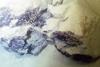
NewsScientists discover thriving hard-substrate fauna in Oceania’s deep sea
In the crushing darkness of the hadal zone—deep ocean trenches plunging 6,000 m to nearly 11,000 m—scientists have uncovered a hidden community. A study reports the discovery of a protist-dominated hard-substrate fauna across seven hadal regions in Oceania, highlighting an overlooked yet highly active carbon “hotspot.”