
More News – Page 33
-
 News
NewsDisease-causing pathogen rewires gut metabolism to secure nutrients for growth
Enterotoxigenic Bacteroides fragilis (ETBF), which causes diarrhea and has been implicated in colitis and colorectal cancer, uses a toxin it produces to reprogram intestinal cell metabolism and generate conditions that support its growth.
-
 News
NewsChanges in CDC communication undermine public trust in vaccines
Exposure to uncertainty-based messaging about vaccines increased perceived vaccine risks and uncertainty, reduced vaccination intentions, lowered trust in the CDC, and increased endorsement of science-denial strategies.
-
 News
NewsCervical cancer: A growing gap between high- and low-income countries
While high-income countries could eliminate cervical cancer by 2048 through human papillomavirus (HPV) vaccination and screening, the gap with lower-income countries is widening.
-
 News
NewsIn mice, viruses gain virulence in some individuals, depending on genetics and sex
New research demonstrates that some hosts appear to serve as “evolutionary accelerators” that could enable viruses to gain virulence more quickly.
-
 News
NewsNew study could help scientists produce more accurate records of past ocean change
Tiny plankton shells used to reconstruct past polar ocean temperatures may contain two different chemical stories, a new study has found.
-
 News
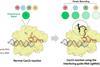
NewsStudy identifies multiple viruses and variants simultaneously by controlling the “speed” of CRISPR gene scissors
Scientists have developed a new diagnostic technology that simultaneously identifies various viruses and variants by controlling the “speed” of gene scissors.
-
 News
NewsWhy antibiotics may soon fail to curb the plague bacterium - and where we can find new strategies
A new review shows that while most infections caused by the Yersinia plague bacterium can currently be treated with antibiotics, concerns about rising antimicrobial resistance mean that we need to come up with new ways to disarm the bacteria instead of killing them.
-
 News
NewsStudy confirms effectiveness of medicinal plant against SARS-CoV-2 virus
A study has revealed that galloylquinic acids extracted from the leaves of Copaifera lucens Dwyer, a tree endemic to Brazil primarily found in the Atlantic Forest, have a multi-targeted effect against SARS-CoV-2, the virus that causes COVID-19.
-
 News
NewsAncient, insect-targeting bacterial toxin may have implications for human health, agriculture, and drug discovery
Scientists have identified and characterized a new class of Streptomyces-produced toxins that are very distantly related to the deadly toxin that causes diphtheria, a serious and contagious infection, in humans.
-
 News
NewsPet cats that roam outdoors carry similar disease risk as feral cats, global study finds
A new study has found that pet cats allowed to roam outside unsupervised carry infectious diseases at rates comparable to feral cats, even when they receive veterinary care, regular meals and shelter.
-
 News
NewsSouth American camelids: Potential carriers of the zoonotic pathogen Campylobacter
A comprehensive investigation has identified a previously underappreciated source of thermotolerant Campylobacter spp. in South American camelids (SACs)—alpacas and llamas kept in Germany. The findings underscore the importance of expanding epidemiological surveillance beyond traditional livestock.
-
 News
NewsSignificant rise in valley fever cases in El Paso linked to extreme weather and dust
A new study has identified a significant rise in Valley fever cases in El Paso over the past decade and found strong connections between the disease and extreme weather, wind and airborne dust.
-
 News
NewsTeam discovers gene pattern that could help doctors identify Ebola faster and more accurately
Researchers have made an important discovery that could help doctors tell Ebola apart from other infections more quickly. The overlap of response by Ebola and other pathogens had made it difficult to find markers that are truly unique to Ebola.
-
 News
NewsYour nose is a battlefield
Scientists have discovered that FluMist can trigger an immune response directly in nasal tissue in adults. The vaccine trains immune cells in the upper nasal passages to recognize and fight influenza virus infection. This immune response stays in the upper airways and can’t be detected via blood samples.
-
 News
NewsComparing veterinary antimicrobial stewardship: Why Brazil needs stronger monitoring systems
A new comparative analysis reveals critical gaps in antimicrobial monitoring frameworks across three major economies, with significant implications for global public health and food security.
-
 News
NewsPortable TB test matches lab accuracy in just minutes
A portable device called MiniDock MTB can deliver accurate TB test results in less than half an hour. Researchers show the device is as effective as a laboratory test and can detect cases even among people who have trouble producing phlegm samples from deep within their lungs.
-
 News
NewsHow does oligochitosan induce plant resistance against potato virus Y?
Plant immune inducers are crucial tools for the green management of crop diseases. As an environmentally friendly biological inducer, oligochitosan (COS) can activate plant defense mechanisms to resist pathogens such as fungi, bacteria, and viruses. Source: Florida Division of Plant Industry , Florida Department of Agriculture and Consumer ...
-
 News
NewsNew study shows antibodies need a strong core — not just grip — to fight SARS-CoV-2
Researchers used advanced computer simulations to investigate how antibody–virus complexes respond to mechanical forces across multiple SARS-CoV-2 variants, including the original 2019 strain and Omicron subvariants BA.4 and JN.1.
-
 News
News“Tell me who your friends are, and I’ll tell you who you are”
New research reveals that when microbes live together, they can sense one another and actively reduce competition by shifting toward different roles instead of all doing the same thing. It shows that microbes do not just respond to their environment, they respond to each other.
-
 News
NewsCan rhizobacterial metabolites enhance plant drought tolerance?
A study shows that lettuce plants inoculated with PGPR strains exhibited significantly higher survival rates and better fresh weight recovery after drought stress compared to the uninoculated control group.