
A new study has demonstrated that we now have the tools to study the incredibly complex ecosystems of caves in near real-time with field-portable assays. The study was published in Applied and Environmental Microbiology, a journal of the American Society for Microbiology.
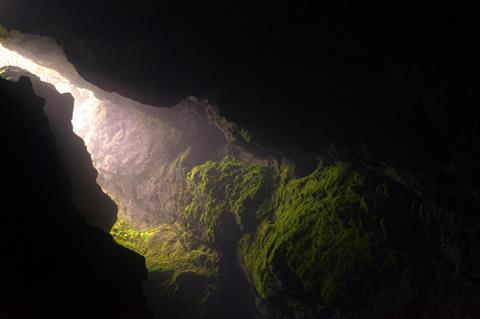
“We’ve shown that we’re no longer constrained by slow, lab-based methods [for studying caves],” said lead study author Eric A. Weingarten, Ph.D., a research biologist at the Environmental Laboratory of the U.S. Army Engineer Research and Development Center (ERDC). “Proven, field-ready genetic tools can give us answers about biodiversity and potential health threats in hours, not weeks, enabling rapid response and exploration in subterranean science.”
Our understanding of the microbial life in caves is surprisingly limited. Most previous research has been smaller in scale, looking at just a few points and sample types. The researchers wanted to create a comprehensive map of these microbial ecosystems across different caves, materials and depths. Another major goal was to test new, field-portable nucleic acid extraction and sequencing technology to rapidly identify microbes, including potential disease-causing agents, directly in the field.
Caves and mines
For their study, the researchers conducted sampling trips to 5 different caves and mines across the U.S. There, they collected hundreds of environmental samples including soil, rock, water, air and animal feces. They gathered these samples along regular distance intervals stretching from the sunlit entrances deep into the dark zones.
Back in the lab, they used DNA sequencing to show all bacteria present. The researchers also compared the results of traditional laboratory methods against field portable technologies to determine if they delivered similar results more rapidly and with less sophisticated equipment and technical requirements.
READ MORE: Bacteria frozen in ancient underground ice cave found to be resistant against 10 modern antibiotics
Ecologically, the researchers found three main things. First, geography matters: caves in Kentucky have a completely different microbial population than caves in New York. Second, within a single cave, the material matters—microbes in water are different from those in soil. Third, these communities change predictably as you move from the entrance to the deep interior.
“Notably, we showed that new portable DNA tools work similarly well to a full-scale lab in identifying bacteria of interest,” Weingarten said.
Cave microbiomes
The findings have implications for community ecology and public health by better understanding how to detect and catalog cave microbiomes which may include human pathogens.
“We’ve created a roadmap for how to thoroughly study cave life, showing that you need to sample widely to get an accurate picture. This gives public health officials and military decision makers a better tool for determining if a cave is potentially dangerous. It makes monitoring these challenging environments more efficient and accessible,” Weingarten said.
“Our emphasis was on military decision making, identifying potential threats to soldier health and improving operational risk assessment, but the findings inform everything from public health surveillance to endangered species monitoring.”





No comments yet