
Biodegradable films made from engineered honeybee silk could form the basis of a new generation of ‘smart’ wound dressings, according to CSIRO and Adelaide University researchers.
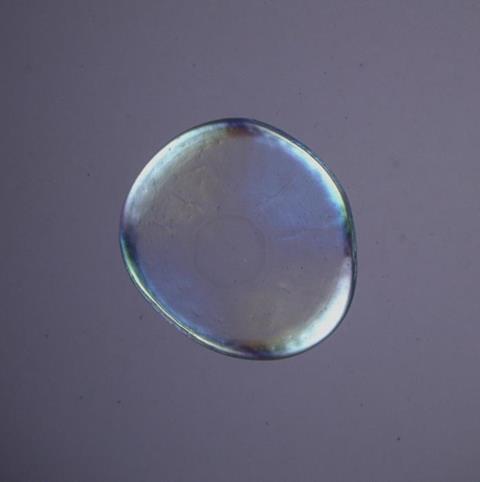
Recombinant honeybee silk can be bioengineered in a lab, allowing researchers to modify the protein sequence and potentially introduce new features into the materials, such as infection-sensing signals or targeted drug release.
The research, published in the Journal of Biomedical Materials Research Part B: Applied Biomaterials, found the film was safe and well tolerated during wound healing.
The researchers found that much of the silk film gradually broke down in the wound, rather than remaining as a permanent material. This could potentially reduce the need to remove a dressing and disturb delicate new tissue as a wound heals.
Biomaterial platform
This critical research builds on more than a decade of CSIRO research developing honeybee silk as a biomaterial platform. Previous studies have shown the material is strong, flexible, biodegradable and safe to use in biological applications.
Honeybee silk is different to spider or silkworms. It is a naturally occurring protein material used by larvae to build protective structures in the hive.
It is made from proteins that are strong, flexible and lightweight. Importantly, the protein sequence can be modified without breaking the material’s structure, making it an ideal candidate for programming features into the material.
Study background
Following these promising results, the team has been awarded a Medical Research Future Fund grant to develop and test several ‘smart’ dressings that might help prevent infections in chronic wounds.
MICROBIOLOGY NEWS: Register with The Microbiologist for more free articles
Australia’s chronic wound burden affects an estimated 450,000 people each year and costs the health system more than $6 billion annually. Infections can delay healing, increase the risk of hospitalisation and amputation, and often require repeated clinical intervention.
For this research, CSIRO developed and produced the recombinant honeybee silk film, and Adelaide University provided wound healing expertise and conducted the laboratory tests.
Building material
Dr Caitlin Johnston, lead researcher, CSIRO, said: “Think of the film as a building material that we can redesign at the molecular level.
“We can potentially build specific instructions into the silk so that, in the future, a dressing could respond to the conditions in a wound rather than act as a passive barrier.
“That opens up a completely new way of thinking about wound care – creating materials that actively sense changes in the wound environment and respond to these changes.
”Now we know the material doesn’t impact the overall healing process, we’re excited to move to the next stage and start building materials that help prevent infections.”
Wound healing
Dr Anna Antipov, Future Industries Institute, Adelaide University, said: “Wound healing is a very complicated process, and we need to understand how a new material behaves in that environment before we can start adding more sophisticated functions to it.
“What we’ve shown is that this honeybee silk material is biodegradable and well tolerated by the body, and importantly, it does not stop the wound from healing.
”People living in rural and remote communities are expected to be among the main beneficiaries, reducing the need for frequent dressing changes and specialist appointments in capital cities.”
‘Interaction of Biodegradable Recombinant Honeybee Silk Films With Acute Wound Healing Processes In Vivo’ is published in the Journal of Biomedical Materials Research Part B: Applied Biomaterials.


No comments yet