
New research reveals how octopus uses arms to sense chemical clues from microbes
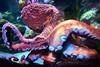
A new study reveals what the octopus is feeling when it ‘tastes’ the seafloor— biochemical information from the microbial world. The animal uses its arms to determine whether prey is safe to eat or whether unhealthy eggs should be ejected from the nest.
Registered users, subscribers or members - SIGN IN
To continue reading this article
Membership
Included as a benefit
Members of Applied Microbiology International have unlimited access to The Microbiologist as a benefit of membership. Just sign in with your usual membership credentials.
Find out more about how to join.
Register
FREE
Want to read more before deciding on a subscription? It only takes a minute to sign up for a free account and you’ll get to enjoy more free content each month.
Subscribe
3.75 per month / £35 annually
Get unlimited access to The Microbiologist.