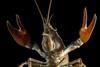
Using metagenomic sequencing, a study has shown that integrated rice-crayfish systems increase the abundance of functional genes involved in methane oxidation, nitrogen degradation, denitrification, organic phosphorus mineralization, and phosphorus transport compared with rice monoculture.

The paddy planting area within the rice-crayfish system showed stronger microbial diversity and nutrient-cycling potential than the surrounding trench area. These findings suggest that rice-crayfish farming can improve nutrient use efficiency and provide a microbial basis for designing more sustainable agricultural systems.
Rice-crayfish farming has been widely promoted as an integrated agricultural model that can combine crop production, aquaculture, and ecological management. Previous studies have shown that crayfish movement, feeding, excretion, straw incorporation, and long-term flooding can change soil organic matter, nutrient availability, and microbial activity.
However, most existing research has focused on single nutrient cycles, especially carbon or nitrogen, while the combined microbial mechanisms linking carbon, nitrogen, and phosphorus remain insufficiently understood. In addition, the trench area, a key habitat for crayfish and residual feed accumulation, has often been overlooked. These gaps limit understanding of how rice-crayfish systems regulate nutrient transformation and environmental performance.
A study (DOI: 10.48130/nc-0026-0003) published in Nitrogen Cycling on 13 March 2026 by Hua Wang’s team, Hunan Agricultural University, reports that rice-crayfish farming builds an interconnected microbial network that couples carbon, nitrogen, and phosphorus cycling more strongly than rice monoculture.
Rice-crayfish system
The researchers compared rice monoculture with two spatially distinct zones of a long-term rice-crayfish farming system: the central paddy planting area and the peripheral trench used as crayfish habitat. Soil samples were collected after rice harvest, and metagenomic sequencing was used to identify microbial taxa and functional genes involved in carbon, nitrogen, and phosphorus cycling.

The analysis generated 8,386 Kyoto Encyclopedia of Genes and Genomes orthologs, including 49 carbon-cycling genes, 36 nitrogen-cycling genes, and 41 phosphorus-cycling genes. Principal coordinates analysis showed that rice-crayfish farming significantly reshaped microbial functional profiles across all three nutrient cycles.
For carbon cycling, the system enriched methane-oxidizing genes, including pmoA, pmoB, and pmoC, suggesting greater microbial potential for methane oxidation. It also increased genes linked to chitin and starch degradation, reflecting inputs from crayfish molting, feed residues, rice straw, and excretion.
Nitrogen cycling
For nitrogen cycling, nitrogen degradation and denitrification were the dominant processes. In the paddy area, genes such as glnA, gltB, gltD, and arcC increased, while denitrification genes including narG, narH, nirK, nirS, norB, and norC were also enriched, indicating accelerated nitrogen transformation.
In the trench, increases in gltB, gltD, narG, nirK, and nirS suggested that the flooded crayfish habitat also contributed to nitrogen turnover, although some nitrification-related genes declined.
MICROBIOLOGY ON TAP: Get full access to all The Microbiologist articles from just £2.17 a month
For phosphorus cycling, rice-crayfish farming increased genes involved in organic phosphorus mineralization, including appA, phnA, phnM, and phnX, while altering phosphorus transport genes such as phnC, ugpC, pstB, pstS, and phnD. Mantel tests further identified total nitrogen, total phosphorus, and dissolved organic carbon as key environmental drivers of microbial communities and nutrient-cycling functions. Network analysis revealed tight coupling among carbon-, nitrogen-, and phosphorus-related genes, with hub genes showing strong cross-cycle correlations.
Microbial regulation system
Overall, the study demonstrates that rice-crayfish farming is not only a production system but also a microbial regulation system that reorganizes soil nutrient cycling.
By enhancing functional microbial diversity and coupling carbon, nitrogen, and phosphorus transformations, this model may support better nutrient retention, improved phosphorus availability, and more efficient soil fertility management.
The findings provide a theoretical foundation for optimizing fertilization, managing integrated paddy systems, and developing environmentally friendly rice-aquaculture practices.
No comments yet