
A new toothbrush generates electricity through bristle movement to wage war on plaque-producing pathogens. The invention successfully reduced cavity- and periodontitis-causing bacteria better than regular mechanical brushing in the mouths of 115 volunteers over 3 months.
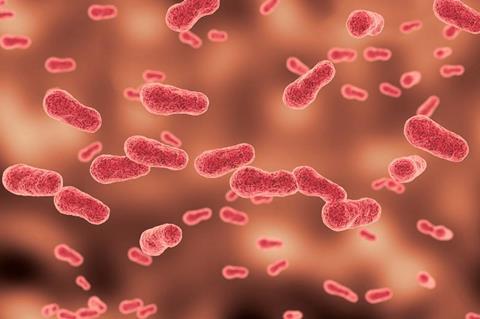
The toothbrush is humanity’s mightiest soldier in the battle against dental plaque, physically debriding bacterial biofilms on teeth every night. Yet, bacteria always regain ground, and so the battle begins each morning afresh.
Yanhui Lu and colleagues have now upgraded this warrior, creating a toothbrush that generates electrical charges as its piezoelectric monofilament bristles bend during brushing. This process produces reactive oxygen species that destroy biofilms on teeth.
In the lab, the device effectively culled oral pathogens such as Porphyromonas gingivalis (which causes periodontitis).
MICROBIOLOGY NEWS: Register with The Microbiologist for more free articles
Lu et al. also evaluated the toothbrush’s utility in real mouths. They assigned these toothbrushes to a total of 115 volunteers, who received the same brushing instructions. The relative abundance of several oral pathogens in volunteers’ mouths decreased, according to results from gene sequencing and metagenome sequencing of samples. Overall, this toothbrush can improve plaque control, gingival inflammation, and bleeding compared with conventional nylon-bristled toothbrushes.
The study appears in Science Advances.



1 Reader's comment