
All Antibiotics articles – Page 2
-
 News
NewsNew antibiotic mechanism triggers hope for new treatments in fight against resistance
A team studied the bacterium Coxiella burnetii to investigate why it is so sensitive to doxycycline. They found antibiotic molecules stack upon each other to block the ribosome exit channel, revealing a new mechanism for how doxycycline disarms the bacterium.
-
 News
NewsBeyond antibiotics—a paradigm shift toward bacteria-control-centric therapies
A novel extracellular vesicle platform helps polymyxins kill multidrug-resistant gram-negative bacteria at lower and potentially safer doses.
-
 News
News A secret weapon against superbugs
A molecular library of potential adjuvants has been used to help restore the activity of vancomycin, a powerful antibiotic widely used to treat serious infections such as MRSA and Clostridium difficile (C. diff).
-
 News
NewsMany countries overusing powerful antibiotics
Many countries are using too many powerful and inappropriate antibiotics, fuelling antibiotic resistance concerns, while millions lack access to the specific drugs they need. That is according to a major international study of antibiotic use.
-
 News
NewsAntibiotic-tolerant bacteria rely on a hidden survival strategy
Scientists have uncovered how S. pneumoniae adapts to antibiotic exposure and immune pressures. Their findings reveal that changes in RNA regulation enable bacteria to enter a state of antibiotic tolerance.
-
 News
NewsHigh-resolution map reveals where veterinary antibiotics enter China’s environment
A new study has developed a high-resolution, county-level inventory of veterinary antibiotic emissions across China, offering researchers and policymakers a clearer picture of where these pollutants originate and where they may accumulate.
-
 News
NewsLast-line antibiotics at risk as children’s resistance rises
Antimicrobial resistance in children is rising globally and will worsen over the next decade, threatening the effectiveness of life‑saving antibiotics, according to a world-first monitoring platform.
-
 News
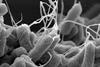
NewsHow bacteria sacrifice themselves to render antibiotics ineffective
Bacteria can defend themselves against antibiotics with the help of an enzyme released by dying cells, reveals a study that helps scientists understand the survival mechanisms of bacteria and to improve the effectiveness of antibiotics.
-
 News
NewsPlant-based wound dressing fights infection before it takes hold
A new dressing made from plant-based materials can deliver antibiotics directly to wounds during critical early stages of infection, according to researchers. The study is the first to use this family of sustainable furan-based polymers for infection-fighting wound dressings.
-
 News
NewsNew study reveals how birth method and antibiotics may shape babies’ gut bacteria
A new systematic review has found that both the way a baby is born and exposure to antibiotics around the time of birth could be linked to differences in the development of the infant gut microbiome. Exclusively breastfeeding babies may reduce these differences.
-
 News
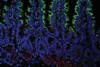
NewsGut bacteria boost immune system and help send Vitamin A to T cells
Scientists have discovered that gut bacteria help regulate the development of the body’s immune system by directing the movement of vitamin A through a previously unrecognized cellular network.
-
 News
NewsA subtle difference offers insight into bacteria survival strategies
Researchers have discovered that Bacillus subtilis employs a different survival strategy to E coli, raising the question of whether other types of bacteria use alternative strategies, and how this might help researchers think differently about antibiotic tolerance.
-
 News
NewsThe case for fewer antibiotics in joint replacement surgery
Infections are a leading cause of joint replacement failures, however a new study suggests prescription of an extended courses of antibiotics after patients leave the hospital may not be needed.
-
 News
NewsBacteria can learn and form memories without a brain
Scientists have shown that bacteria can learn from past experiences, store memories across generations and adapt their behavior to changing environments.
-
 News
NewsAntibiotics reverse damage caused to blood stem cells by chronic Salmonella
A new study has revealed that long-term Salmonella infections severely damage blood stem cells - but this damage is completely reversible. Giving an effective course of antibiotics fully restores the stem cells, allowing them to recover their health and rebuilding power.
-
 News
NewsLandmark study reveals ‘megacluster’ of bacterial genes behind arsenal of potent antibiotics
A newly discovered “megacluster” of genes in Streptomyces bacteria produces four new natural product antibiotics that work together to stop rival bacteria.
-
 News
NewsBiofilm “scaffolds” protect bacterium responsible for food poisoning from antibiotics
Bacillus cereus, which is responsible for human infections and food poisoning, builds organized communities that act as a ‘shield’ against antibiotics, a new study reveals.
-
 News
NewsVeterinary review warns antibiotic resistance threatens vision in pets
A new review warns sight-threatening antibiotic-resistant eye infections are becoming a significant threat to vision in dogs, cats, and horses with multidrug-resistant bacteria becoming more common in referral veterinary settings.
-
 News
NewsGut fungi may hold the key to treating asthma worldwide
Two new studies reveal that certain species of fungi in the gut play a key role in the development of immune dysregulation and some pediatric allergic diseases — and may be promising targets for new therapies.
-
 News
NewsAntibiotic use for uncomplicated diverticulitis remains widespread despite guideline shifts
A retrospective cohort study found that antibiotic prescribing rates for outpatient cases of uncomplicated diverticulitis remain above 95%, despite guidelines from 2015 recommending more selective use.