
All Antibiotics articles – Page 4
-
 News
NewsPenn researchers create AI tool to speed antibiotic discovery
Researchers have developed a novel, AI-powered method for turning promising but imperfect antibiotic candidates into more potent ones. ApexGO starts with a small number of imperfect candidates and improves them step by step, using a predictive algorithm to evaluate each modification and guide the next.
-
 News
NewsNew study shows cranberry juice may boost UTI antibiotics
Researchers recently exposed lab-grown strains of pathogenic Escherichia coli to cranberry juice. Preliminary findings suggest that compounds in the juice re-sensitize resistant strains to antibiotic treatment.
-
 News
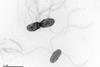
NewsWhy antibiotics may soon fail to curb the plague bacterium - and where we can find new strategies
A new review shows that while most infections caused by the Yersinia plague bacterium can currently be treated with antibiotics, concerns about rising antimicrobial resistance mean that we need to come up with new ways to disarm the bacteria instead of killing them.
-
 News
NewsIBS treatment response predicted by gut microbiome in new study
Researchers investigating irritable bowel syndrome with diarrhea observed distinct characteristics of patients’ gut microbiomes that predicted whether they responded to the low FODMAP diet or rifaximin — or did not respond to treatment.
-
 News
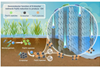
NewsViruses enhance sulfamethoxazole removal in wetlands by modulating bacteria-phage interactions
A new study examines the role of viruses in sulfamethoxazole (SMX) removal in constructed wetlands. The research demonstrates that the addition of phage-concentrated solutions (PCS) enhances the degradation of SMX by enriching SMX-degrading bacteria.
-
 News
NewsWHO-recommended antibiotics cover only 1 in 4 neonatal sepsis infections in low- and middle-income countries
A major multi-country study has found that WHO-recommended first-line antibiotics for neonatal sepsis are likely to be effective in only one quarter of infections in low- and middle-income countries (LMICs).
-
 News
NewsAntibiotic resistance genes found in newborns within hours of birth, study shows
Antibiotic resistance genes can be present in newborns within the first hours of life. The study analysed meconium samples from 105 infants admitted to a neonatal intensive care unit (NICU) within the first 72 hours of life between July 2024 and July 2025.
-
 News
NewsGraphitized biochar rewires soil microbes to accelerate pollutant breakdown in rice paddies
A new study reveals that a specially engineered form of biochar can dramatically enhance the natural ability of soil microbes to break down pollutants in rice paddies, offering a promising strategy for cleaner and more sustainable agriculture.
-
 News
NewsStandard-dose antibiotic the ‘preferred choice’ of treatment for uncomplicated acute sinusitis
A study of patients with acute sinusitis found no major differences in measured outcomes between adults who received standard amoxicillin and amoxicillin‑clavulanate. Patients treated with amoxicillin‑clavulanate were at slightly higher risk of contracting secondary infections.
-
 News
NewsShorter antibiotic courses show similar outcomes to longer use for some pneumonia patients
A multicenter target trial emulation found that for eligible patients hospitalized with community-acquired pneumonia (CAP), health outcomes were similar whether they received a three- to four-day course of antibiotics or a course lasting five days or more.
-
 News
NewsOregano, rosemary and ‘time’: Long-term swine study shows natural-compound benefits
In a rare long-term public study that compared the effects of phytochemicals from rosemary and oregano with antibiotic growth promoters, animal scientists found that the natural agents given to weaned pigs supported favorable gut health and growth performance later in their lives.
-
 News
NewsInfluence of antibiotic use on mental health during pregnancy
New research points to an association between antibiotic exposure and maternal psychological distress in early-to mid-pregnancy.
-
 News
NewsSmart wound dressing delivers antibiotics on-demand, accelerating healing and reducing resistance
Biomedical engineers have developed a new wound dressing material that releases antibiotic drugs only when harmful bacteria are present in a wound. The material could help rapidly clear wound infections to accelerate healing while reducing the unnecessary use of antibiotics.
-
 News
NewsNew drug candidate extremely effective against H. pylori bacterium
Researchers have discovered that metronidazole targets two central protective proteins of Helicobacter pylori: an enzyme responsible for detoxifying harmful reactive oxygen species and a protein that repairs damaged proteins.
-
 News
NewsInappropriate antibiotic use for COVID-19 is linked to resistance
Taking azithromycin for as little as one day triggers antibiotic resistance in the respiratory tract, according to a first-of-its kind look by scientists at the changes that occur in the microbiome of hospitalized patients who were treated for COVID-19.
-
 News
NewsAntibiotics can affect the gut microbiome for several years
Researchers have found strong links between a person’s history of antibiotic use and the composition of their gut microbiome, including the diversity of bacterial species.
-
 News
NewsUltrasound-activated ‘nanoagents’ kill superbugs hiding in biofilms
Scientists have designed nanoagents that act like smart drug‑delivery capsules – carrying an antibiotic deep into bacterial infection sites and releasing it only when activated by gentle ultrasound.
-
 News
NewsTrust your gut to heal your brain
Researchers have found that short-term antibiotic treatment significantly reduced neuroinflammation and neurodegeneration following traumatic brain injury (TBI) by altering the gut microbiome in animal models.
-
 News
NewsEmerging class of antibiotics to tackle global tuberculosis crisis
Researchers investigated how three naturally occurring antibiotic compounds – ecumicin, ilamycin and cyclomarin – act on a vital protein degradation machine inside Mycobacterium tuberculosis, the bacterium that causes TB.
-
 News
NewsGut microbiome may be the link to gluten sensitivity without celiac disease
Researchers found that after antibiotic treatment, mice exposed to gluten had changes in the bacteria living in the gut. These shifts in bacteria types altered how they processed carbohydrates, fats and sugars which may influence how these nutrients are recognized by the immune system.