
For many years, the cosmetics industry has relied on standardized categories, assuming that skin needs could be generalized. However, the skin is a complex ecosystem whose balance partly depends on the microbiome. This reality remains largely underexploited in both product development and usage.
Prior to the creation of BYOME LABS, the founding team had already spent nearly fifteen years studying the microbiome. This work enabled the development of an in-depth understanding of microbial lifestyles and their interactions with biological environments.
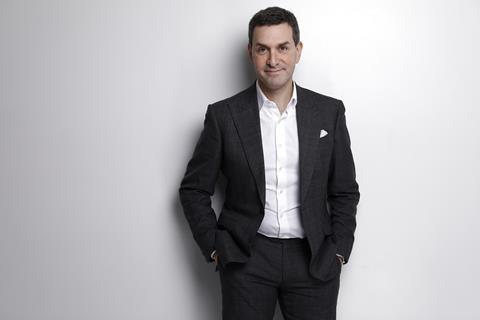
BYOME LABS was founded through the initiative of David Suissa, an entrepreneur trained at École Polytechnique and the Corps des Mines. After leading companies in the fields of perfumery and applied microbiology, he chose to structure a new approach centered on the biological evaluation of cosmetic products.
Skin analysis
His realization was also personal. At the age of 46, following a skin analysis, he discovered that his skin was oily, whereas he had always considered it to be dry. For years, he had therefore been using inappropriate products. This individual experience reflects a broader phenomenon. Many consumers lack an accurate understanding of their skin’s actual condition, which can lead to the use of unsuitable products. This observation highlights the limitations of current approaches, which remain insufficiently grounded in individual biological data.
Founded in 2023, BYOME LABS is part of this effort to bring cosmetics closer to biology. The laboratory provides services to cosmetic, dermocosmetic, pharmaceutical brands, and ingredient manufacturers by assessing the impact of products on various human microbiomes, including the skin, scalp, oral, and vaginal microbiomes. These analyses rely on in vitro models, enabling the generation of robust, validated, and reproducible data on formulation effects.
Support for industry
In parallel, BYOME LABS has developed an offering called Microbiome Respect, aimed at supporting industry stakeholders in the development of products that preserve the balance of the skin microbiome. In a context where no clear regulatory framework yet exists for microbiome related claims, this initiative is supported by a working group in collaboration with Cosmetic Valley dedicated to standardizing so-called microbiome friendly approaches. The objective is to contribute to the definition of shared scientific and methodological foundations, thereby progressively structuring the market.
The laboratory is also involved in broader collective initiatives. BYOME LABS is notably a member of the Pharmabiotic Research Institute, an organization historically focused on the gut microbiome that is now initiating a working group on the skin microbiome.
This membership enables participation in a high level ecosystem alongside international stakeholders such as L’Oréal, Nestlé Health Science France, Ferring Pharmaceuticals, and Sanofi, all engaged in advancing microbiome science and its applications. This development reflects the growing interest in these ecosystems across multiple fields beyond digestive health.
Rapid diagnostics
In continuity with its research and service activities, BYOME LABS has developed BYOME DERMA, a rapid diagnostic device for the skin microbiome. This solution is based on the combination of microbiology and immunology, notably leveraging antigen strip technologies comparable to those used in rapid diagnostic tests. This format enables the sampling and analysis of the skin microbiome within minutes, directly at the point of sale or at home.
In practical terms, the device measures selected indicators related to microbial diversity and microbiome balance from a simple and non invasive skin sample. This approach makes biological data accessible that were previously limited to more complex laboratory analyses.
The resulting data are then interpreted using artificial intelligence algorithms, trained in particular on research data and dermatological expertise. Artificial intelligence enables the analysis of microbial profiles, the identification of patterns, and the establishment of correspondences between these profiles and product compatibility. It thereby translates complex biological signals into personalized recommendations that can be directly used by consumers or professionals.
Data-driven approach
This integration of rapid biological measurement and algorithmic interpretation enables a shift from an empirical approach to one based on measured data. It builds on the knowledge developed by BYOME LABS in studying interactions between cosmetic formulations and human microbiomes, as well as on databases generated from in vitro testing conducted in the laboratory.
BYOME LABS is part of an evolving sector in which biologically driven approaches are gaining importance. The integration of the microbiome into product evaluation and the personalization of cosmetic use may contribute to transforming practices, both for industry stakeholders and for consumers.






No comments yet