
All Editorial articles – Page 148
-
 News
NewsHow HIV enters the genome – researchers identify previously unknown mechanism
Researchers have decoded a previously unknown mechanism by which HIV-1 selects its integration targets in the human genome. A research team identified RNA:DNA hybrids (R-loops) as molecular signposts for the virus.
-
 News
NewsResearch reveals tropical rainforest soils may fuel climate change as the Earth warms
A new study suggests the Earth’s own tropical soils may contribute to climate change as global warming continues, releasing vast amounts of carbon dioxide (CO₂) as they warm and potentially accelerating a dangerous feedback loop.
-
 News
NewsWarming temps alone fail to trigger increased CO2 levels from soil
A study examining the effects of higher temperatures on soil shows that warming alone does not increase levels of carbon dioxide emitted from the soil. Instead, higher temperatures combined with more added carbon led to higher carbon dioxide levels released from the soil.
-
 News
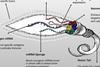
NewsTargeted delivery of microRNA sponge short-hairpin RNA via VIR-inspired biotechnical vector
The Vir-inspired Biotechnical Vector (VIBV) is a novel hybrid platform that combines viral and non-viral elements with nanotechnology to enable personalized, tumor-specific gene therapy.
-
 News
NewsAI-powered CRISPR could lead to faster gene therapies, study finds
A new AI tool can help scientists better plan gene-editing experiments. CRISPR-GPT acts as a gene-editing “copilot” supported by AI to help researchers — even those unfamiliar with gene editing — generate designs, analyze data and troubleshoot design flaws.
-
 News
NewsNew CRISPR test could make tuberculosis screening as simple as a mouth swab
Researchers have developed an enhanced CRISPR-based tuberculosis test that works with a simple tongue swab, a potential breakthrough that could allow easier, community-based screenings for the world’s deadliest infectious disease.
-
 News
NewsClass of 25: Letters in Applied Microbiology’s first Junior Editors pass with flying colours
Applied Microbiology International’s first ever cohort of Junior Editors completed their two-year training programme on August 31 - and have passed with flying colours.
-
 News
NewsMicrobiotica announces completion of recruitment in its international phase 1b trial of microbiome co-therapy
Microbiotica, a clinical-stage biopharma company developing a pipeline of oral precision microbiome medicines called live biotherapeutic products (LBPs), announces that patient recruitment is complete in its advanced melanoma (MELODY-1) trial.
-
 News
NewsBout of cystitis may signal presence of urogenital cancers in middle-aged adults
A bout of the common bladder infection, cystitis, may signal the presence of urogenital cancers—which affect parts of the body involved in reproduction and excretion—in middle aged adults, suggests research. The risks seem to be especially high within 3 months of infection.
-
 News
NewsCan microbes be the good guys? New study reveals Hollywood’s blind spot
A new review shows how films — from French Kiss to The Martian — highlight microbes as allies in food, medicine, and even space exploration.
-
 News
NewsBlueberries can improve infants’ immunity and gut health, study finds
Feeding blueberries to infants as one of their first solid foods may help strengthen their immune systems, reduce allergy symptoms and support healthy gut development, according to new research.
-
 News
NewsScientists can decode wildlife movement to predict the next pandemic
By equipping wildlife with biologging devices that track movement and behavior in near-real-time, researchers can detect early signs of illness, monitor disease spread, and inform public health interventions before outbreaks reach crisis levels.
-
 News
NewsHerbs hit the sweet spot to extend shelf life of popular global drink
A team of food scientists has discovered a natural way to significantly extend the shelf life of sugarcane juice. By adding microwave-dried extracts of mint and coriander to the juice in the production process, its shelf life can be extended from three days up to 14 days.
-
 News
NewsNew Center of Excellence to respond to the challenge of antibiotic-resistant bacteria
Boston Children’s Hospital and Tulane University have received $25 million in funding from NIAID/NIH to establish a Center of Excellence for Translational Research (CETR) called IMPACT (Immunization against Multidrug-resistant Pathogens: Activating T Cell Immunity).
-
 News
NewsTraditional herb boosts fish health and immunity, study reveals
A groundbreaking study reveals how the traditional herb Picria fel-terrae (PFL) can significantly improve fish health. When added to fish feed at just 0.1% concentration for six weeks, the herb maintained healthy gut structure while reducing inflammation.
-
 News
NewsU.S. Public Health Service releases new guidelines on occupational HIV exposure and postexposure prophylaxis
The CDC, on behalf of the U.S. Public Health Service (PHS), has released the 2025 Guidelines for the Management of Occupational Exposure to Human Immunodeficiency Virus (HIV) and Recommendations for Postexposure Prophylaxis (PEP).
-
 News
NewsMediterranean diet could reduce gum disease, study shows
People living in the UK and following a diet close to the Mediterranean diet are more likely to have better gum health, with potentially lower amounts of gum disease and inflammation. A new study suggests that people not following a Mediterranean-style diet tended to have more severe gum disease, especially if they consumed red meat frequently.
-
 News
NewsType 2 diabetes may double risk of sepsis, large community-based study suggests
Living with type 2 diabetes (T2D) may double the risk of developing sepsis—with those aged younger than 60 years and men particularly susceptible, according to a long-term community-based study in Australia.
-
 News
NewsCheese fungi color changes help unlock secrets of evolution
Color changes in fungi on cheese rinds point to specific molecular mechanisms of genetic adaptation—and sometimes a tastier cheese.
-
 News
NewsScientists link waning Japanese encephalitis immunity to higher dengue severity
Scientists have found that waning immunity to Japanese encephalitis virus (JEV) may increase the risk of more severe dengue disease in humans. The study highlights how fading vaccine protection from one virus can unintentionally affect the body’s response to another.