
All Infection Prevention & Control articles – Page 65
-
 News
NewsH5N1 influenza outbreaks in US cattle likely triggered by ‘milk-stealing’ behavior of lactating cows
As of June 2025, H5N1 outbreaks have been reported on more than 1,070 dairy farms across 17 US states. Researchers have solved the mystery of how H5N1 virus enters the mammary glands of dairy cows, and provide a strategy on how to control the disease.
-
 News
NewsTB bacteria play possum to evade vaccines
Scientists studied how the TB bacterium evades an immune system primed to destroy it. Their genetic study in mice reveals that TB bacteria can essentially play dead to outlast the immune response.
-
 News
NewsEmerging viral threats combatted by a potent new dual lipid kinase inhibitor
Lipid kinases play a critical role in cell signalling and membrane trafficking by phosphorylating lipid molecules in the body. The inhibition of two of these lipid kinases, PIKfyve and PIP4K2C, could be beneficial in the treatment of diseases, particularly emerging viruses.
-
 News
NewsEarly antibiotics alter immune function in infants- but a gut-derived molecule could help restore it
A new study has found that early-life exposure to antibiotics can impair an infant’s developing immune system, and that a naturally occurring metabolite may hold the key to reversing that damage.
-
 News
NewsBeyond health: The political effects of infectious disease outbreaks
A new study gives empirical evidence that individuals who experienced an infectious disease outbreak show significantly less trust in the political establishment.
-
 News
NewsScientists discover compounds that help cells fight a wide range of viruses
Researchers have identified compounds that can fight off viral infection by activating a defense pathway inside host cells. These compounds, they believe, could be used as antiviral drugs that work against not just one but any kind of virus.
-
 News
NewsScientists investigate how Rho GTPases Cdc42 and RacA regulate aflatoxin synthesis and pathogenicity in Aspergillus flavus
Scientists investigating the mechanisms by which the Rho GTPases Cdc42 and RacA regulate aflatoxin synthesis and pathogenicity in the fungus Aspergillus flavus found that these processes are controlled through the regulation of morphogenesis, oxidative balance, and energy metabolism.
-
 News
NewsTheory for aerosol droplets from contaminated bubbles bursting gives insight into spread of pollution and infectious disease
Researchers have conducted a systematic study to investigate bubble bursting jets – aerosol particles sprayed when bubble surfaces rupture – when surface contaminants are present.
-
 News
NewsTiny chip speeds up antibody mapping for faster vaccine design
By analyzing just a drop of blood, this microchip gives researchers quicker-than-ever insight into how a person’s antibodies are interacting with a virus or other pathogen.
-
 News
NewsWarning: increased risk of Vibrio infections throughout the summer season
As sea surface temperatures increase with summer, the European Centre for Disease Prevention and Control (ECDC) is highlighting the increased risk posed by Vibrio bacteria, with a higher number of infections reported in Northern countries in recent years
-
 News
NewsAnti-cancer drug shows promise against tick-borne virus
Researchers have offered fresh insights into how Severe Fever with Thrombocytopenia Syndrome Virus (SFTSV), an emerging tick-borne pathogen, opposes host apoptosis signaling.
-
 News
NewsHepatitis C treatment is not reaching some at-risk populations, studies show
Studies reveal that two vulnerable populations — children and recently pregnant women — face disparities in access to treatment for hepatitis C infection. Without treatment, they are at risk of long-term adverse health outcomes such as cirrhosis, liver cancer and death.
-
 News
NewsClove oil offers promise as antimicrobial alternative that could target healthcare-associated infections in low-income countries
A research study presented at MLS Future Forum 2025 has revealed that clove essential oil could offer potential as a sustainable alternative to conventional antimicrobials. While clove oil showed antibacterial and antifungal effects, turpentine oil had little antimicrobial activity.
-
 News
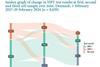
NewsCohort data from Denmark show real-world evidence of stable protection against HPV-related cervical cancer
Denmark has been offering free vaccination against human papillomavirus (HPV) to girls since 2008. New data show vaccination has effectively reduced infections with cancerogenic HPV 16/18 types covered by the vaccine, indicating population immunity.
-
 News
NewsResearchers develop mRNA-based vaccine against a deadly plague-causing bacterium
Researchers have used the platform developed for COVID-19 vaccines to create the world’s first mRNA-based vaccine against the deadly, antibiotic-resistant bacterium behind pneumonic plague.
-
 News
NewsScientists ID new drug target for treating cancer and viral infections
An international team of researchers has identified a molecular mechanism that regulates the activity of N-myristoyltransferases, enzymes that ensure the proteins’ function by chemically modifying them during their production.
-
 News
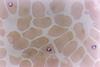
NewsNew strategy developed to engineer high-affinity receptor-containing antibodies against malaria
Researchers have introduced an innovative approach to developing high-affinity receptor-containing antibodies in vitro, offering a promising strategy to combat malaria.
-
 News
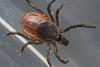
NewsStructure of tick-borne virus revealed at atomic resolution for the first time
One emerging tick-borne virus in North America is the Powassan virus (POWV), which can cause encephalitis, seizures, paralysis and coma. Rates of POWV infections have increased in recent years and currently, there are no treatments available.
-
 News
NewsStudy reveals negative consequences of trained immunity in the lungs
Exposure to a common fungal molecule can reprogram immune cells in the lungs, causing them to overreact to infection-like signals and worsen lung damage, according to new research.
-
 News
NewsComprehensive review sheds light on rare blood clotting syndrome linked to COVID-19 vaccines
A new analysis has provided critical insights into the rare but serious condition known as vaccine-induced immune thrombotic thrombocytopenia (VITT). The findings confirm a higher risk of arterial and venous thrombosis after COVID-19 infection compared to vaccination.