
All Japan articles – Page 5
-
 News
NewsVolcanic ash may enhance phytoplankton growth in the ocean over 100 km away
A research group has suggested that ash released from volcanic eruptions on Nishinoshima Island led to a temporary surge in phytoplankton levels in the seawater around Mukojima Island, 130 km northeast of Nishinoshima.
-
 News
NewsBrain imaging technique helps uncover the molecular basis of long COVID brain fog
A research team has made a significant breakthrough in understanding the cause of Long COVID brain fog. They hypothesized that patients with brain fog might exhibit disrupted expression of AMPA receptors (AMPARs)based on prior research into psychiatric and neurological disorders.
-
 News
NewsHow the gut microbiome helps Japanese macaques eat with the seasons
A study shows that both the composition and fermentative ability of the Japanese macaque gut microbiome shift flexibly across seasons, while the latter in particular increased during the harsh winter when macaques relied on leaves.
-
 News
NewsHot springs in Japan give insight into ancient microbial life on Earth
Iron-oxidising bacteria in the iron-rich hot springs suggest early microbes used iron and trace oxygen, not sunlight, as their primary energy source during the planet’s shift from a low-oxygen to a high-oxygen atmosphere about 2.3 billion years ago.
-
 News
NewsOkinawan marine sponges yield promising treatment for leishmaniasis
A family of compounds called onnamides shows remarkable potential against the parasite that causes a neglected tropical disease.
-
 Careers
Meet the Advisory Groups: Our Q&A with Sharad Kamble
The Microbiologist chats with AMI’s Food Security Advisory Group member Sharad Kamble.
-
 News
NewsScientists identify four ways our bodies respond to COVID-19 vaccines
Researchers tracked individuals’ antibody levels after vaccinations and identified four distinct patterns of immune response after the first booster, suggesting that monitoring how antibody levels change over time could assist in identifying individuals at greater risk of infection.
-
 News
NewsHow an immune cell receptor dampens the fight against fungal infection
People are constantly exposed to fungal spores, including those of Aspergillus fumigatus, but individuals with weakened immune systems may develop life-threatening infections. In a recent study, researchers clarified the mechanisms by which the dendritic cell immunoreceptor (Dcir) suppresses neutrophil activity during infection with A. fumigatus.
-
 News
NewsStudy shows how diet and gut microbiota can counter the baby blues
Microbiome diversity and relative abundance of butyrate-producing bacteria were associated with high levels of depressive mood. But a diet rich in fermented foods, soy products, mushrooms, and seaweed may help regulate the gut environment and contribute to preventing depression.
-
 News
NewsFrailty fuels gut imbalance and post-surgery gastrointestinal risks
Scientists found that residual intra-abdominal microbes, especially in frail patients, drive gastrointestinal complications after bladder cancer surgery.
-
 News
NewsHeme-based sulfide sensing in bacteria: a new target for antibiotics
Heme binding to a bacterial transcription factor is critical for hydrogen sulfide (H₂S) signaling, a new study reveals. Heme binding promotes the reaction of H₂S with the transcription factor, leading to structural changes that can regulate stress tolerance in bacteria.
-
 News
NewsGame-changing biotech for engineering pathogen-resistant crops
Researchers have identified an ancient protein that has the potential to help defend plants against tens of thousands of different bacteria and other pathogens. Dubbed “SCORE”, this receptor detects cold-shock protein—variations of which are found in more than 85% of known bacteria, as well as fungi and insects.
-
 News
NewsBiodegradable PET alternative bioproduced at unprecedented levels
The PET-alternative PDCA is biodegradable and has superior physical properties. A team of bioengineers has engineered E. coli bacteria to produce the compound from glucose at unprecedented levels and without byproducts — and opened up a realm of possibilities for the future of bioengineering.
-
 News
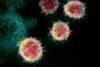
NewsProtein discovery gives new hope for longer COVID protection
Scientists have discovered that the body’s immune system strongly reacts to an internal protein from SARS-CoV-2, the virus that causes COVID-19, which mutates less frequently than the surface-spike protein currently targeted by vaccines.
-
 News
NewsLess is more: Gene loss drives adaptive evolution of a pandemic bacterium
A study reveals a surprising evolutionary insight: sometimes, losing genes rather than gaining them can help bacterial pathogens survive and thrive. The research focused on Vibrio parahaemolyticus, a bacterium behind many of the seafood-related infections worldwide.
-
 News
NewsMouth to gut bacteria migration explains why smoking is good for inflamed bowels
Researchers have discovered why smoking tobacco helps people suffering from ulcerative colitis. The study shows that smoking produces metabolites that encourage bacteria from the mouth to grow in the large intestines where they trigger an immune response.
-
 News
NewsKidney fibrosis linked to molecule made by gut bacteria
A molecule made by bacteria in the gut can hitch a ride to the kidneys, where it sets off a chain reaction of inflammation, scarring and fibrosis — a serious complication of diabetes and a leading cause of kidney failure.
-
 News
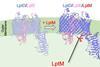
NewsSmall protein, big impact: Insights into how bacteria stabilize a key outer membrane complex
Researchers reveal that a remarkably small protein is essential for the maturation of a component of the lipopolysaccharide transport system.
- Previous Page
- Page1
- Page2
- Page3
- Page4
- Page5
- Next Page