
More News – Page 11
-
 News
NewsResearchers produce biodegradable bioplastic from potato starch using a modified bacterium
A new study has produced a biodegradable bioplastic from unprocessed potato starch in a single 24-hour step, establishing that the bacterium Bacillus subtilis is a robust platform of great industrial interest for producing polyhydroxybutyrate from a low-cost agricultural by-product.
-
 News
NewsPathogens survive conditions on extraterrestrial locations
Microorganisms from our planet could survive on celestial bodies where water is present, such as Mars, reveals a study focusing on simulated space conditions. Our immune system reacts less effectively to pathogens that have undergone such a simulated space journey.
-
 News
NewsCohabitating people share about a quarter of their gut and oral microbiota
People who live together share more oral and gut microbes with each other than with other people in their communities, according to a study. Researchers also found a link between more transmissible microbes and health, particularly type 2 diabetes.
-
 News
NewsWastewater analysis offers a new way to monitor HIV in communities
Human immunodeficiency virus 1 (HIV-1) detection in wastewater offers a novel approach to monitor the virus in communities. Hybrid-capture genetic sequencing allows researchers to analyze viral genomes in detail and specifically identify viral signals coming from community wastewater.
-
 News
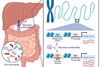
NewsYour gut talks to your liver: Study reveals how microbes influence liver function through DNA ‘switches’
Researchers have uncovered how the gut microbiome can influence gene activity in the liver by acting on short stretches of regulatory DNA that function like molecular “switches”.
-
 News
NewsShingles vaccine linked to lower dementia risk in older adults, study suggests
A target trial emulation of older adults entering skilled-nursing facilities found that those who received the recombinant shingles vaccine (RZV) had a lower risk of developing dementia over the following four years compared with those who were not vaccinated.
-
 News
NewsGlobal map of mycorrhizal fungi reveals true scale of underground networks
Researchers have produced the first global maps visualising the distribution and mass of the Earth’s arbuscular mycorrhizal fungal networks, revealing the true scale of this underground fungal infrastructure.
-
 News
NewsPandemic may have reshaped England’s medication use
Medication dispensing patterns in England shifted during and after the COVID-19 pandemic, according to an analysis of national primary care dispensing data. The use of some treatments recovered to or exceeded pre-pandemic levels, including medications for cardiovascular disease and diabetes; the use of others remained lower.
-
 News
NewsResearch forecasts global antimicrobial resistance threats for the next two decades
New research has analysed antimicrobial resistance (AMR) on a global scale to predict how resistance patterns could evolve by the year 2050, identifying around 210 resistance traits that could pose the greatest future risk.
-
 News
NewsFungi help biochar and compost lock more carbon in nutrient-poor urban soils
A new field study shows that soil fungi can determine whether urban greenspace amendments build long-term soil carbon or accelerate carbon consumption.
-
 News
NewsFermentation science may offer new route to better lower-alcohol wine
In addition to finding ways to ferment grape juice without producing as much alcohol, one scientist is exploring novel yeasts and methods to overproduce aromas to compensate for their eventual loss when reducing alcohol through grape juice dilution.
-
 News
NewsmRNA flu vaccine offers immune protection against wide array of influenza virus strains
A new study has found that an investigational mRNA influenza vaccine helps the immune system recognize a wider range of influenza viruses than today’s standard flu shot, offering stronger and potentially longer-lasting protection. The vaccine, developed by Moderna, is currently under review by the U.S. Food and Drug Administration.
-
 News
NewsStudy reveals 45 new toxins produced by bacteria associated with foodborne infections
Researchers have discovered 45 new toxins produced by Salmonella bacteria, some of which are associated with foodborne infections. The study shows that these substances primarily act in the competition among microorganisms for space and resources.
-
 News
NewsA gut bacteria molecule may calm intestinal inflammation by turning down cellular energy
A new study suggests enterobactin, a molecule produced by gut bacteria, could offer a new pathway for treating inflammatory bowel disease.
-
 News
NewsMetformin given during acute COVID-19 infection reduced risk of clinician-diagnosed long Covid by 50%
New findings from the ACTIV-6 randomized clinical trial provide important confirmation of prior clinical trial results that metformin, a widely available and inexpensive medication with an established safety record, reduced the risk of clinician-diagnosed long COVID when started during acute COVID-19 infection.
-
 News
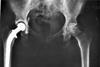
NewsHow exercise fights implant infections: Muscle hormone “musclin” unveiled as a key defender
A new study reveals how the exercise-induced myokine musclin reprograms macrophage metabolism to clear dead cells and treat periprosthetic joint infections.
-
 News
NewsGut bacteria linked to osteoporosis risk in primary hyperparathyroidism
Researchers studying primary hyperparathyroidism, a common endocrine disorder characterized by excessive secretion of parathyroid hormone, have identified Bifidobacterium longum as a potential microbial driver of bone loss through immune-mediated mechanisms.
-
 News
NewsScientists track breakthrough single-dose vaccines for Andes hantavirus strain
Researchers report the development of new vaccines that, in animal testing, provided full protection against the deadly Andes hantavirus after a single dose. They are working to fast-track these single-dose vaccines into human clinical trials.
-
 News
NewsAntibody clues could improve long Covid care and prognosis
Researchers have found that SARS-CoV-2 antibody patterns may help assess infection history, symptom severity, and cognitive complications in long Covid.
-
 News
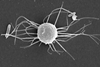
NewsCapacity of certain unicellular organisms to stick together may be key to animal evolution
Researchers have found that after feeding a specific bacteria to a certain unicellular relative of animals, the single cells began to stick to one another, revealing a possible mode by which our ancestors began to evolve into animals billions of years ago.