
Bats carry some of the world’s deadliest viruses. Now, as climate change, extreme heat and habitat destruction intensify, so too could the risk of these diseases spreading to humans, according to new Adelaide University research.
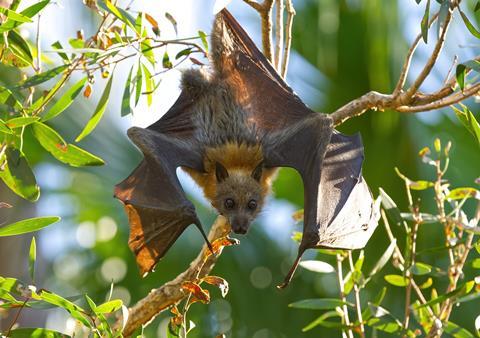
In a major international review published in the prestigious medical journal The BMJ, researchers examined the transmission, prevention and management of some of the world’s most dangerous bat-borne diseases, including Ebola, Marburg, Nipah, Hendra and Australian bat lyssavirus.
They warn that rising temperatures, deforestation and biodiversity loss are disrupting natural ecosystems, changing where bats live and find food, and increasing opportunities for contact between bats, humans and domestic animals.
It’s a timely review amid a mass mortality of flying foxes in Australia’s eastern states, most likely caused by starvation and weather conditions associated with habitat loss and climate change.
Environmental destruction
Lead author Dr Jessica Stanhope, from Adelaide University’s School of Medicine, said the findings highlight the growing connection between environmental destruction and emerging infectious diseases.
“Climate change and habitat loss are putting increasing pressure on bat populations around the world, forcing them to adapt to shrinking natural habitats and potentially bringing them into closer contact with people,” Dr Stanhope said.
“Bats play a critical role in maintaining healthy ecosystems. As pollinators and seed dispersers, they help sustain woodlands and forests. They also eat large numbers of insects, including mosquitoes and agricultural pests. So, while bats can carry diseases, they generally do more good than harm.
“That’s why protecting bats and their natural habitats is so important. The irony is that the changes humans are making to these environments could ultimately have serious consequences for our own health.”
Bat-borne pathogens
The review focuses on bat-borne pathogens identified by the American Public Health Association as significant public health concerns. It highlights the potentially devastating consequences of diseases such as Ebola and Nipah, which have high fatality rates and can cause long-term health complications among survivors.
Co-researcher, Emeritus Professor Philip Weinstein from Adelaide University’s School of Public Health, said protecting and restoring natural habitats, reducing human contact with infected animals, and developing more effective vaccines and treatments will be critical to reducing the risk of future outbreaks.
“Habitat destruction isn’t just happening in remote forests. It’s also occurring in our cities, where trees are being cleared to make way for urban development,” Professor Weinstein said.
“Adelaide is currently losing mature trees to urban development, yet these are precisely the kinds of natural habitats we need to protect if we’re serious about safeguarding biodiversity and reducing the risk of emerging infectious diseases.
“When we remove the habitats and food sources that bats depend on, we risk pushing them into closer contact with people, creating more opportunities for diseases to spread.”
Spread between species
It’s not just direct contact between bats and humans that’s concerning. As agricultural development expands into natural habitats, bats can also come into closer contact with livestock, creating opportunities for viruses to spread between species.
“We’ve seen this with Hendra virus in Australia, where infections can pass from bats to horses and then to humans, and with Nipah virus in parts of Asia, where pigs have played a role in transmitting the disease,” Professor Weinstein said.
As Australia approaches another hot summer, co-researcher Associate Professor Wayne Boardman, from Adelaide University’s School of Animal and Veterinary Sciences, warns that rising temperatures could also increase the risk of bat-borne diseases spreading to humans.
“Extreme heat places enormous stress on bats, potentially increasing the amount of virus they shed,” Associate Professor Boardman said.
“Heatwaves can also cause bats to become sick or die from heat exhaustion, increasing the likelihood of people coming into contact with infected animals.
“That’s why it’s so important that people never touch sick or dead bats. Anyone who encounters a bat in distress should contact a wildlife rescue organisation or the relevant local authority.”
Sprinkler system for flying foxes
In Adelaide, a large sprinkler system has been installed approximately 15 metres above the ground in the tree canopy near the city’s flying fox colony, helping to keep bats cool during heatwaves.
“This not only helps protect bats from heat stress and death but may also reduce the likelihood of sick or dying animals coming into contact with people,” Associate Professor Boardman said.
“It’s a practical example of how protecting wildlife can also help protect human health.”
MICROBIOLOGY NEWS: Register with The Microbiologist for more free articles
While the research highlights opportunities to develop new drugs and vaccines to prevent and treat bat-borne diseases, prevention must also start with protecting the natural environment.
“Ultimately, we need to conserve and restore the habitats bats depend on, reduce the pressures driving them into urban areas and tackle climate change,” Dr Stanhope said.
“Protecting bats and their natural environments is also about protecting human health.”



No comments yet