
Inflammatory bowel disease, encompassing Crohn’s disease and ulcerative colitis, represents a growing global health burden with increasing incidence in developing countries including China.
The management of IBD has been revolutionized by the introduction of biologic therapies, particularly tumor necrosis factor-alpha (TNF-α) inhibitors such as infliximab. These agents have dramatically improved outcomes for patients with moderate to severe disease, enabling mucosal healing and reducing the need for corticosteroids and surgery.
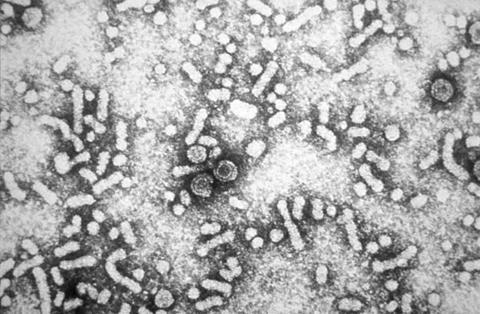
However, immunosuppressive therapies carry inherent risks, including increased susceptibility to infections. Hepatitis B virus reactivation represents a particularly serious complication that can lead to acute liver failure, treatment discontinuation, and increased mortality. The risk of HBV reactivation is well-established in patients receiving chemotherapy or rituximab, but less is known about this risk in IBD patients treated with TNF-α inhibitors.
MICROBIOLOGY NEWS: Register with The Microbiologist for more free articles
China has an intermediate endemicity of HBV infection, with an estimated 70 million chronic carriers. This epidemiological context creates unique challenges for the management of IBD patients who require immunosuppressive therapy. Many patients may have resolved HBV infection (HBsAg negative, anti-HBc positive) or may be unaware of their HBV status, putting them at risk for reactivation when starting biologics.
Knowledge gaps
This nationwide real-world study addresses these knowledge gaps by examining HBV infection and reactivation rates in a large cohort of Chinese IBD patients treated with infliximab. The study included patients from multiple centers across China, providing a representative sample of real-world clinical practice. Comprehensive HBV screening was performed before initiating therapy, and patients were monitored regularly for HBV DNA levels and liver function tests.
The key findings of this study have important clinical implications. First, the incidence of HBV reactivation in this population was quantified, providing essential data for risk stratification and counseling. Second, risk factors for reactivation were identified, including baseline HBV serology, concurrent immunosuppression, and disease activity. Third, the outcomes of HBV-related liver dysfunction were characterized, informing prognosis and management.
Based on these findings, the study recommends a systematic approach to HBV management in IBD patients. Universal HBV screening before initiating biologic therapy is essential to identify at-risk patients. For HBsAg-positive patients, prophylactic antiviral therapy should be strongly considered. For those with resolved infection (anti-HBc positive), close monitoring or prophylactic therapy may be appropriate depending on additional risk factors.
Clear communication
The study also highlights the importance of multidisciplinary collaboration between gastroenterologists and hepatologists in managing IBD patients with HBV. Clear communication about HBV status, treatment plans, and monitoring schedules is essential to prevent adverse outcomes. Patient education about HBV and the signs of liver dysfunction should be incorporated into routine care.
MICROBIOLOGY ON TAP: Get full access to all The Microbiologist articles from just £2.17 a month
Future research directions include prospective studies to optimize HBV screening and prophylaxis strategies, investigation of newer biologic agents and their HBV reactivation risks, and development of risk prediction models to guide individualized management. As the use of biologics continues to expand in China and other HBV-endemic regions, evidence-based guidance for HBV management will become increasingly important.






No comments yet