
A new study, published in Nitrogen Cycling, found that inoculating organic fertilizers with the denitrifying bacterium Pseudomonas stutzeri NRCB010 significantly lowered cumulative soil N₂O emissions, with the strongest effect observed when the bacterium was combined with mushroom residue organic manure. This combination achieved a 46.5% emission reduction, outperforming hydrochar organic manure and high-temperature pretreated compost.
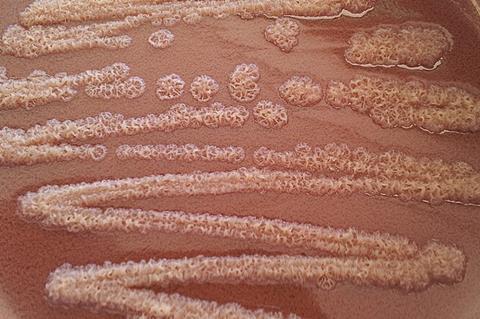
Greenhouse vegetable production relies on intensive fertilizer and water inputs to sustain high yields, but these practices can accelerate nitrogen losses and increase N₂O emissions. Organic fertilizers are widely used to improve soil structure, nutrient supply, and crop quality, yet they may also provide substrates that stimulate N₂O production.
Current mitigation approaches include nitrification inhibitors, biochar, and plant growth-promoting rhizobacteria (PGPR), but the compatibility between functional bacteria and different organic fertilizer substrates remains insufficiently understood. Therefore, systematic research is needed to determine which microbe–organic fertilizer combinations can reduce emissions while maintaining soil function.
Soil treatments
A study by Weishou Shen’s team based in Nanjing University of Information Science and Technology, shows that NRCB010, especially when paired with mushroom residue organic manure, reduces N₂O emissions by enhancing nosZI-related microbial functions and reshaping the soil microbiome.
The researchers conducted a soil microcosm experiment using greenhouse vegetable soil collected from Changshu, Jiangsu Province, China. They compared seven treatments: no fertilizer, three organic fertilizers alone, and the same three fertilizers inoculated with NRCB010. The fertilizers included mushroom residue organic manure, high-temperature pretreated compost, and hydrochar organic manure.
Soil samples were incubated under controlled conditions, and N₂O emissions were monitored through repeated gas sampling and gas chromatography. The team also measured soil pH, electrical conductivity (EC), nitrate nitrogen (NO₃⁻-N), ammonium nitrogen (NH₄⁺-N), and nitrogen-cycling functional genes using quantitative real-time polymerase chain reaction (qPCR).
MICROBIOLOGY ON TAP: Get full access to all The Microbiologist articles from just £2.17 a month
High-throughput sequencing of nosZI-carrying microorganisms was then used to examine changes in microbial community structure. The results showed that organic fertilizer alone increased cumulative N₂O emissions compared with the unfertilized control, but inoculation with NRCB010 significantly reversed this trend.
N₂O emissions
The mushroom residue plus NRCB010 treatment showed the best mitigation effect, reducing cumulative emissions by 46.5%, followed by hydrochar organic manure plus NRCB010 at 27.8% and high-temperature pretreated compost plus NRCB010 at 26.3%.
Mechanistically, N₂O emissions were significantly negatively correlated with the abundance of the nosZI gene, which encodes nitrous oxide reductase, the key enzyme that converts N₂O into nitrogen gas (N₂). In the mushroom residue plus NRCB010 treatment, nosZI abundance increased markedly, while nitrate content and EC decreased, indicating a more favorable soil environment for N₂O reduction.
Sequencing further showed that NRCB010 inoculation increased the relative abundance of Pseudomonadota and reduced Verrucomicrobiota, suggesting that the bacterial inoculant had a stronger influence on microbial community structure than fertilizer type itself.
Overall, the study demonstrates that the environmental performance of organic fertilization depends strongly on the microbial partners used with it. Mushroom residue organic manure appears to provide a suitable carbon source and soil environment for NRCB010 colonization and function, allowing the bacterium to enhance nosZI-mediated N₂O reduction.
Although the findings were obtained from a controlled microcosm system and require long-term field validation, they provide a useful technical basis for designing microbial organic fertilizers that reduce greenhouse gas emissions in protected vegetable production.
Topics
- Agriculture
- Asia & Oceania
- Bacteria
- Climate Action
- denitrifying bacteria
- Environmental Microbiology
- Food Security
- Food Security & Safety
- greenhouse gas emissions
- greenhouse gases
- N₂O emission
- organic fertilizers
- Pseudomonas stutzeri
- Research News
- Soil & Plant Science
- soil microbes
- soil microbial communities
- soil microbiome






No comments yet