
Researchers have uncovered surprising links between natural humification processes in soil, carbon metabolism, and the spread of antibiotic resistance. The findings provide fresh insight into how plant residues transform after entering soils and how these transformations influence microbial communities and ecological risks.
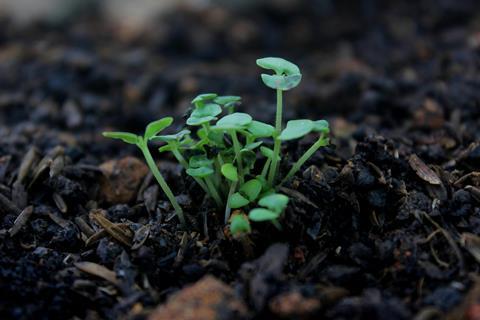
The study, published in Agricultural Ecology and Environment, simulated the natural humification of lignocellulose by converting rice straw into humic substances under different hydrothermal temperatures. These artificial humic substances were then added to paddy soil to examine how changing organic matter composition affects microbial activity, viral ecology, and antibiotic resistance genes.
“Humic substances are everywhere in soils, yet their ecological roles remain poorly understood,” said Xiangdong Zhu, the corresponding author of the study. “Our work shows that subtle shifts in the composition of humic substances can reshape microbial metabolism and even alter the abundance of antibiotic resistance genes.”
Carbon source
Humic substances produced at higher temperatures contained more easily degradable compounds and higher concentrations of phenols derived from lignin. When these materials entered the soil, they acted as a carbon source that energized microbial activity. Metagenomic analyses showed a strong enrichment of genes related to carbohydrate metabolism, especially glycoside hydrolases that help microbes break down complex organic matter. This enrichment suggests that microbes quickly mobilize additional carbon once it becomes available.
The study also found that viruses play a surprising role in this process. Viral auxiliary metabolic genes related to carbon metabolism significantly increased in soils treated with high temperature humic substances. This pattern reflects a strategy known as Piggyback the Winner, where viruses support host metabolism to promote their own replication. By carrying genes that enhance the breakdown of carbohydrates, viruses helped microbial hosts adapt to changing soil conditions.
Perhaps the most unexpected finding was that soils amended with humic substances produced at higher temperatures accumulated substantially more antibiotic resistance genes. The abundance of these genes increased more than four fold in soils treated with the highest temperature humic material. The researchers discovered that phenolic compounds were strongly associated with this increase. Previous studies have shown that phenols can induce oxidative stress and promote the spread of antibiotic resistance genes in microbial communities. This study provides new evidence that such processes may occur naturally during the breakdown of lignocellulose.
Overlooked pathway
“Our results highlight a previously overlooked environmental pathway affecting antibiotic resistance,” said co author Yujun Wang. “As plants decompose, the release of phenolic compounds can unintentionally promote the persistence of antibiotic resistance genes in soil ecosystems.”
READ MORE: Root chemistry determines how antibiotic resistance spreads from manure to crops
READ MORE: From barnyard to bench: what sequencing reveals about microbial life across the farm-scape
The study underscores the importance of understanding how agricultural residue management influences soil health. Each year, billions of tons of lignocellulosic biomass decompose worldwide. The researchers suggest that monitoring and managing the composition of organic inputs could help mitigate ecological risks while supporting soil fertility and carbon sequestration.
This work provides a foundation for future strategies aimed at regulating soil carbon cycling and minimizing unintended consequences related to antibiotic resistance. The authors emphasize that a deeper understanding of humification processes can guide sustainable agricultural practices and improve long term soil ecological stability.




No comments yet