
Plants are constantly exposed to biotic stresses such as fungal and bacterial infections, which can severely reduce growth, yield, and survival. To cope with these threats, plants have evolved sophisticated defense strategies, including the production of secondary metabolites with antimicrobial properties.
Among these compounds, terpenoids represent one of the most diverse and biologically active groups, widely used in medicine, agriculture, and industry. Despite their importance, the evolutionary origin and genetic regulation of terpenoid biosynthesis remain unclear in many woody and medicinal plant species. Based on these challenges, there is a clear need to conduct in-depth research into the genomic and molecular mechanisms that control terpenoid production and plant defense.
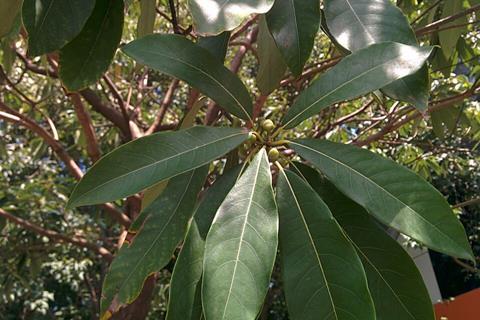
A research team from Henan Agricultural University, North China University of Science and Technology, Gannan Normal University, and the Wuhan Botanical Garden of the Chinese Academy of Sciences reported a chromosome-scale genome and multi-omics analysis of a Lauraceae medicinal tree in April 2025, published (DOI: 10.1093/hr/uhaf116) in Horticulture Research.
The study systematically explores genome evolution and identifies key genes involved in terpenoid biosynthesis. By combining genomics, transcriptomics, metabolomics, and functional experiments, the researchers reveal how specific terpene synthase (TPS) genes contribute to antimicrobial compound production and enhanced resistance to plant diseases.
High-quality genome
Using PacBio HiFi, Hi-C, and Illumina sequencing technologies, the researchers assembled a high-quality genome of approximately 1.31 Gb, with over 96% of sequences anchored to 12 chromosomes. Comparative genomic analysis revealed that the species experienced two ancient whole-genome duplication events, shaping gene family expansion and metabolic complexity. Notably, gene families associated with energy metabolism and secondary metabolite biosynthesis were significantly expanded.
The study identified 52 TPS genes, with pronounced expansion in TPS subfamilies linked to mono- and sesquiterpene production. Integrated transcriptomic and metabolomic analyses across different tissues revealed strong correlations between TPS gene expression and the accumulation of 117 terpenoid compounds. Among these, one gene, LmTPS1, showed a particularly strong association with caryophyllene-derived metabolites.
Transgenic plants
Functional validation provided compelling evidence of biological relevance. Overexpression of LmTPS1 in transgenic tomato plants significantly increased levels of β-caryophyllene and humulene—two sesquiterpenoids known for antimicrobial activity. These transgenic plants displayed enhanced resistance to multiple bacterial and fungal pathogens, confirming the direct role of terpenoid biosynthesis genes in strengthening plant defense mechanisms.
“This work bridges the gap between genome evolution and functional plant defense,” said the study’s corresponding authors. “By combining genome assembly with transcriptomic, metabolomic, and experimental validation, we were able to pinpoint specific genes that control the biosynthesis of antimicrobial terpenoids. The results not only clarify how plants naturally defend themselves against pathogens but also demonstrate that targeted manipulation of TPS genes can enhance disease resistance in crops, providing a powerful tool for sustainable agriculture.”
Implications for plant breeding and biotechnology
The findings have broad implications for agriculture, plant breeding, and biotechnology. Identifying key genes involved in terpenoid biosynthesis opens new opportunities to develop disease-resistant crops through molecular breeding or genetic engineering.
Terpenoid compounds such as β-caryophyllene also have potential applications as natural antimicrobials, postharvest preservatives, and pharmaceutical agents.
Beyond applied benefits, the high-quality genome provides an essential resource for comparative genomics and evolutionary studies within the Lauraceae family. Together, this research lays a foundation for harnessing plant secondary metabolism to improve crop resilience, reduce reliance on synthetic pesticides, and promote more sustainable agricultural systems.







No comments yet