
On July 9, a symposium was held to commemorate the 50th anniversary of the discovery of the Hantaan virus. This symposium celebrated the historical achievement of the late Dr. Lee Ho-wang (Professor Emeritus of Korea University College of Medicine). The symposium also reviewed the historical significance of Hantaan virus research, its results, and future infectious disease response strategies.
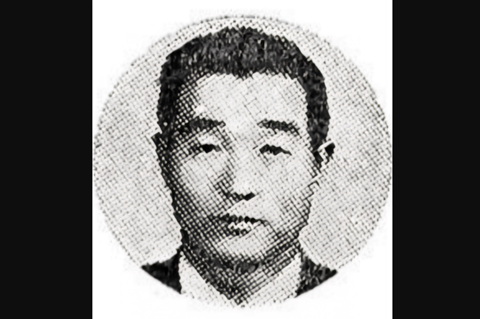
The event featured welcoming remarks, congratulatory speeches, a keynote lecture, and invited presentations. The keynote lecture covered the development process and academic achievements of Hantaan virus research. Next, Dr. Lee’s achievements, their impact on the development of global virology, and the significance of the 50th anniversary of the discovery of the Hantaan virus were discussed.
In the first session of invited lectures, three presentations focused on vaccine development and infectious disease response strategies: Vaccine Innovation Center at Korea University College of Medicine: Launch of Hanta Vaccine Project 2.0; Hantavax, the collaboration between Korea University and GC Green Cross: the development story of the world’s first epidemic hemorrhagic fever vaccine; and Next-Generation Hantavirus Vaccine Development Strategy to Overcome the Future Infectious Disease Crisis.
In the second session, the latest research achievements and future technologies were shared: Hantavirus Research Achievements in the National Defense Field: From Genome Analysis to Diagnosis and Treatment Development; The Korean Government’s RWE (Real-World Evidence)-Based Epidemiological Response Efforts for HFRS; and Establishment of the Next-Generation RNA Vaccine Platform to Respond to Hantavirus Infection.
Hantaan virus
Dr. Jin-won Song, Dean of Korea University Graduate School, said, “The discovery of the Hantaan virus was one of the exemplary cases of Korea’s medical research capabilities and global achievements.
“This symposium will provide a venue for us to review 50 years of achievements in medical science. It will also serve as an opportunity to respond to future infectious disease threats by exploring the development of next-generation vaccines and treatments, as well as suggesting new directions for international collaborative research,” he added.
MICROBIOLOGY NEWS: Register with The Microbiologist for more free articles
Dr. Man-Seong Park, Head of the Institute for Viral Diseases, emphasized, “Based on the great lessons we learned from the discovery of the Hantaan virus, we will continue to do our best to provide more research opportunities for young scientists to fully utilize their capabilities.”
Virus background
The Hantaan virus is a pathogen that causes hemorrhagic fever with renal syndrome (HFRS), which was first discovered in the world in 1976 by the late Dr. Lee Ho-wang.
His research laid the foundation for the development of Korea’s virology, which later led to the development of Hantavax, the world’s first vaccine for epidemic hemorrhagic fever. Dr. Lee’s research has contributed to the prevention of infectious diseases and the improvement of public health.






No comments yet