
All Oral Microbiome articles
-
 News
NewsFusobacterium nucleatum drives immunosuppression and metastasis in TNBC
A new study identifies Fusobacterium nucleatum, a Gram-negative anaerobic bacterium associated with several cancers, as a key driver of tryptophan metabolic reprogramming, immunosuppression and lung metastasis in triple-negative breast cancer.
-
 News
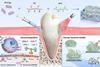
NewsMXene-based hydrogel disrupt bacterial biofilms and reprogram immune cell metabolism to reverse bone resorption in periodontitis
Researchers have developed an injectable MXene-based composite hydrogel (GQM) for the treatment of periodontitis. The hydrogel consists of oxidized gellan gum (OG), quaternized chitosan (QCS), and magnesium-tannic acid modified MXene nanosheets (MTA-Mg).
-
 News
NewsMouth and gut microbes could help detect gastrointestinal cancers
Researchers report that by analyzing the make-up of oral microbes it may be possible to detect signals associated with stomach and colorectal cancer. These findings could lead to the development of new, less-invasive screening tests for gastrointestinal cancers.
-
 News
NewsMXene-based hydrogel disrupts bacterial biofilms and reprograms immune cell metabolism to reverse bone resorption in periodontitis
Periodontitis treatment not only requires effectively disrupting bacterial biofilms but also reshaping the local immune metabolic microenvironment to fundamentally break the vicious cycle of “infection-inflammation-bone resorption.”
-
 News
NewsNew therapy eliminates gum disease bacterium while preserving beneficial oral microbes
Researchers have created an innovative treatment for periodontitis that targets and eliminates harmful bacteria while preserving beneficial oral microbes essential for health.
-
 News
NewsImbalances in the oral microbiome linked to symptomatic hand osteoarthritis
Specific imbalances and disruptions to the oral microbiome have been linked to symptomatic hand arthritis. Study findings suggest that the microbial environment of the mouth may influence the disease process of hand arthritis.
-
 News
NewsThe respiratory microbiota in lung cancer: from dysbiosis and immunomodulatory networks to therapeutic opportunities
A comprehensive review reveals that dysbiosis of the respiratory microbiota drives lung cancer through four integrated pathways: oncogenic signaling, epigenetic/metabolic reprogramming, and chronic immune dysregulation.
-
 News
NewsCryo-EM helps identify the mechanisms of dental plaque formation
Researchers used cryo-electron microscopy to provide new insights into how Porphyromonas gingivalis causes plaque formation, revealing the 3D structure of Mfa pili, an arm-like filament which enables the bacteria to stick to host tissues and other microbes.
-
 News
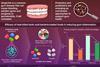
NewsFoods containing heat-inactivated bacteria help reduce gum bleeding and improve inflammatory conditions
Continuous consumption of foods containing heat-inactivated Lactiplantibacillus pentosus can help reduce gum bleeding, report researchers. These postbiotic foods can improve inflammatory conditions and enhance gum health in adults with mild gingivitis.
-
 News
NewsCohabitating people share about a quarter of their gut and oral microbiota
People who live together share more oral and gut microbes with each other than with other people in their communities, according to a study. Researchers also found a link between more transmissible microbes and health, particularly type 2 diabetes.
-
 News
NewsFasting-mimicking diet reduces gum disease inflammation
A new study highlights how lifestyle modifications could be important alongside plaque control in managing gum disease. While fasting has been linked to reduced inflammation around the body, this is the first to establish a relationship with gum disease too.
-
 News
NewsWhat dental calculus can tell us about the oral microbiomes of ancient Japan
Microbe DNA from ancient dental calculus offers insights into the past oral microbiomes of the Japanese people, including the phylogeny of the periodontal disease-associated archaeon, Methanobrevibacter oralis.
-
 News
NewsDentistry researchers testing oral bacteria transplants to cure bad breath
To rebalance the oral microbiome and cure chronic halitosis, researchers are embarking on a first-of-its-kind experiment. These clinical trials transplant bacteria and other microbes from healthy donors into patients with halitosis. If successful, the healthy microbiota will crowd out the bad and patients’ bad breath will improve.
-
 News
NewsThe road to better health requires a map of the microbes in your mouth
Different parts of your mouth have entirely different bacterial communities, reveals a new microbial map. Researchers believe mapping these microbial niches will provide a census of the good bacteria present in the mouth and help to develop targeted therapies, such as probiotics, to maintain oral health and prevent disease.
-
 News
NewsBiomaterial made from jackfruit latex is a promising treatment for periodontitis
Researchers have developed a biomaterial containing jackfruit latex, pomegranate peel extract, and simvastatin that shows promising efficacy in treating periodontitis. This chronic inflammatory disease of infectious origin leads to the progressive destruction of the tissues supporting the teeth, resulting in bone resorption and loss of attachment.
-
 News
NewsWhy antibiotics fail against a common dental implant disease
A study of peri-implantitis found that bacteria corrode implants, causing them to shed microscopic titanium particles into the surrounding tissue. Those particles hijack the immune cells sent to clear the infection and lock them into a state of inflammation that destroys the jawbone they are supposed to protect.
-
 News
NewsModern medicine makes gut microbial diversity plummet
Even minimal exposure to modern medicine can rapidly change the human microbiome. Researchers reveal that the gut microbes of remote Amazonian Indigenous communities began shifting toward patterns more commonly seen in urban, industrialized populations after only a few medical visits.
-
 News
NewsOral spray neutralizes smelly dog breath with plant extracts
An oral spray derived from molasses, a by-product of sugar cane refining, reduced bad smells, odor-producing compounds and harmful bacteria from 10 dogs’ mouths.
-
 News
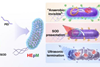
NewsInvisible smart bug fights gum disease
Current treatments for periodontitis often fail because they cannot simultaneously eliminate stubborn bacterial biofilms and calm the runaway inflammation that follows. Now researchers have engineered a living bacterium that does both, in the right order.
-
 News
NewsResearchers fight oral cancer with bioengineered chewing gum
Research shows that antiviral and antibacterial chewing gums reduce the levels of three microbes linked to worse outcomes in oral cancers, paving the way for more effective and affordable therapies.