
All Parasites articles – Page 2
-
 News
NewsHow the most widespread parasite on earth reads its genome
Researchers have uncovered new details about how Toxoplasma controls the timing of protein production, ensuring the right molecular tools are available exactly when they are needed. Two protein complexes manage this process.
-
 News
NewsCOVID-19 vaccines remain effective despite helminth-induced immune modulation
In a preclinical study, researchers have found that mRNA- and protein-based SARS-CoV-2 vaccines effectively protected Schistosoma-infected mice against the virus, despite the mice’s distinct immune response profiles.
-
 News
NewsNew Piem concept proposed: Reshaping human microbiome research and opening a new chapter in precision medicine
Researchers systematically proposed the novel concept of “Persistent Intracellular Extraintestinal Microbes” (PIEM). This expands the scope of microbiome research from external surfaces to the body’s interior.
-
 News
NewsHow is climate change affecting waterborne diseases?
Researchers find bacteria, viruses and parasites respond differently to climate change, highlighting the need for pathogen-specific public health strategies.
-
 News
NewsResearchers to tackle overlooked tropical disease
Two researchers are teaming up to build foundational knowledge concerning leishmaniasis, a common, but neglected protozoan parasitic disease. The project combines research into the cell biology of membrane repair with parasitology knowledge.
-
 News
NewsCould your salad be the source? Pathologist discusses reported parasite outbreak in US
Amid reports of a parasite outbreak that has sickened people in several states across the U.S., a pathologist warns that it is likely linked to a widely distributed commercial food product.
-
 News
NewsResearchers call for increased screening for parasitic disease linked to HIV and cervical cancer risk
New research has highlighted the need to test millions of women and girls for female genital schistosomiasis (FGS), a neglected disease that can increase the risk of chronic illness, HIV and cervical cancer.
-
 News
NewsWhen parasites stop having sex, they may become less picky about their hosts
A new evolutionary theory suggests that some asexual parasites may temporarily be able to infect a wider range of hosts as harmful genetic mutations build up.
-
 News
NewsHigh-resolution DNA typing uncovers hidden diversity of Toxoplasma gondii in China
An international research team has revealed previously hidden genetic diversity in Toxoplasma gondii, a globally distributed zoonotic parasite, in China.
-
 News
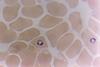
NewsScientists solve decades-old mystery of how malaria parasites invade human cells
Researchers have caught the malaria parasite’s moving junction in the act, obtainingg the first high-resolution view of its three-dimensional structure. It turns out to be a molecular machine that actively remodels the host cell’s membrane to help the parasite force its way inside.
-
 News
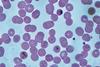
NewsHealthy infant microbiomes appear to protect against malaria
A small preliminary study shows that 6-week-old infants with healthy gut microbiomes are less likely to contract malaria in their first year of life, suggesting the intriguing possibility that treatments such as probiotics could be protective against malaria.
-
 News
NewsNew vaccine offers hope against growing tropical disease in U.S.
Researchers have developed a first-ever vaccine against leishmaniasis, a disease putting 10% of the world at risk. A game changer was the development of CRISPR gene-editing technology.
-
 News
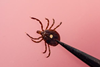
NewsThe drive to protect Missouri’s $4 billion cattle industry from tick threats
A tiny parasite-carrying tick is posing an outsized threat to Missouri’s cattle. Now, researchers are stepping in to protect the state’s $4 billion cattle industry by tracking different ways the American dog tick spreads a deadly disease known as bovine anaplasmosis.
-
 News
NewsTropical ocean temperatures drive changes in malaria cases in Malawi
New research shows that temperatures in the tropical Atlantic and Indian Oceans drive year-to-year changes in malaria cases in Malawi.
-
 News
NewsResearchers test two treatments to protect against deadly cattle disease
As cases of a deadly cattle disease rise in Arkansas, researchers are testing two treatments they hope will help ranchers protect their herds. The disease is bovine theileriosis and is caused by the parasite Theileria orientalis Ikeda, carried primarily by the invasive Asian longhorned tick.
-
 News
NewsPhase 1 clinical trial set to begin on first leishmaniasis vaccine
A phase 1 clinical trial testing the safety of a leishmaniasis vaccine is set to begin in the coming months. The live vaccine, found to be safe in animals, is expected to be tested in humans later this year.
-
 News
NewsResearchers discover tick protein that may block disease transmission
Researchers have found that ticks produce an exosomal glycine-rich protein that plays a vital role in helping ticks feed and transmit viruses. When they used genetic tools to silence the gene responsible for this protein, ticks lacking the protein struggled to feed effectively and showed reduced body weight after feeding.
-
 News
NewsRattlesnakes among most vulnerable to fungal disease and parasitic lung infection
Disease in snakes could pile up following a first infection, with some species in the US particularly affected by certain pathogens, a study of wild snakes shows.
-
 News
NewsNo refrigeration needed for killer disease vaccine
Malaria kills more than half a million people every year, but a new vaccine is showing promise as it not only offers long-lasting strong protection but also inhibits transmission of malaria by mosquitos. The vaccine is predicted to be low cost and its cold-chain independence strongly enhances its deployability.
-
 News
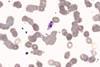
NewsResearchers develop promising drug candidate for control and elimination of malaria
Researchers have developed a novel chemical compound that shows promise for the treatment and prevention of malaria, one of the world’s deadliest diseases. T111 has the potential to become a single-encounter malaria drug that would simplify treatment and prevent relapses that drive ongoing transmission.