
All Parasites articles – Page 3
-
 News
NewsResearchers find diagnostic delays are common for US pediatric patients with malaria
Researchers found that more than one in four pediatric patients treated for malaria in the United States had a delay in their initial diagnosis, increasing the risk of more severe infection.
-
 News
NewsResearchers identify potential new route for antimalarial drug design
Researchers have uncovered a promising new potential target for drug discovery. The team focused on an enzyme called aminopeptidase P (PfAPP) from Plasmodium falciparum, the parasite responsible for the most severe form of malaria in humans.
-
 News
NewsCan new research findings help overcome challenges to malaria treatment?
A new study may help overcome challenges to the treatment of malaria. The research is based on a strategy that targets an enzyme specific to the parasite, Falcipain-2 (FP2), which is essential for parasite survival and growth within the host.
-
 News
NewsMalaria’s mRNA: Messages that mess with the immune system
A new study uncovers the malaria parasite’s RNA strategies – mechanisms that could inspire unexpected applications for RNA-based tools in multiple areas of medicine.
-
 News
NewsPlasmodium uses its own PI3K to suppress eat-me signal and evade host immune clearance
A study finds that Plasmodium PI3K actively suppresses the externalization of phosphatidylserine on the surface of infected erythrocytes. When the activity of parasite PI3K was chemically inhibited or genetically disrupted, phosphatidylserine exposure on infected red blood cells increased markedly.
-
 News
NewsSeparating signal from noise: How African biostatisticians are reshaping the fight against malaria
Biostatistics is unlocking smarter malaria solutions, linking parasite diversity, vaccines, and human behaviour to drive more effective prevention and protection.
-
 News
NewsComputational approach takes the guesswork out of drug development for Chagas disease
Researchers have established a computational protocol that could accelerate the development of more effective treatments for life-threatening parasitic infections such as Chagas disease, by enabling scientists to accurately identify reactions that can result in successful drug candidates without the need for trial and error.
-
 News
NewsHow scientists are breeding spinach to better withstand Pythium
Breeding efforts to improve spinach tolerance to a pathogen called Pythium will help both indoor and outdoor growers of the popular leafy green.
-
 News
NewsMalaria shaped distribution of early human populations
Scientists investigated whether Plasmodium falciparum induced malaria shaped human habitat choice between 74,000 and 5,000 years ago, finding that malaria influenced habitat choice by pushing human groups away from high-risk environments and separating populations across the landscape.
-
 News
NewsNasal spray could transform treatment of deadly cerebral malaria
Master’s student Taznita Kista is exploring whether a nano-enabled nasal spray could change how cerebral malaria is treated. Her work focuses on a nose-to-brain drug delivery system using niosomes.
-
 News
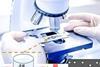
NewsResearchers combine polarized light and a magnetic field to spot malaria under the microscope
Researchers have developed a new microscopy method that uses a magnetic field and polarized light to provide quantitative measurements that could enable faster and more objective detection of malaria in blood.
-
 News
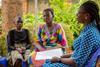
NewsSevere childhood malaria linked to cognitive impairment later in life
New findings suggest children who survive cases of cerebral malaria and severe malarial anemia experience cognitive and academic impairment that persists into adolescence.
-
 News
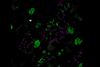
NewsGene sheds light on how parasites exit host cells
Researchers have elucidated the parasite exit process - known as egress - after identifying an essential gene, MIC11. To clearly explain egress, the behaviors of Toxoplasma gondii were assessed.
-
 News
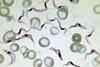
NewsScientists solve 40-year-old biological mystery behind sleeping sickness
Scientists have cracked a 40-year-old biological cold case by revealing how the parasite that causes sleeping sickness stays one step ahead of the human immune system.
-
 News
NewsFirst Chagas disease conference on US soil highlights a turning point in national awareness
For the first time, a conference dedicated to Chagas disease research will be held on U.S. soil, marking a significant and symbolic moment for researchers, clinicians and public health leaders working to boost awareness of the disease in this country.
-
 News
NewsFluorescent imaging reveals how a global parasite develops, opening new paths for drug treatment
Researchers adapted a fluorescent imaging system typically used to study human cells, enabling real-time observation the parasite’s growth, a promising breakthrough against an organism that that infects both humans and animals.
-
 News
NewsStudy reveals immune blueprint for next-generation malaria vaccine
New research has uncovered how the human immune system fights Plasmodium vivax, paving the way for the first effective vaccine against the most widespread form of malaria. It provides critical evidence of how protective immunity to P. vivax works, identifying specific targets on the parasite.
-
 News
NewsA highly precise target for medications against tropical diseases
Researchers have discovered a critical vulnerability shared by the pathogens that cause African sleeping sickness, Chagas disease and leishmaniasis. The PEX38 protein plays a crucial role in the formation of certain organelles of the trypanosomes that are essential for their energy supply.
-
 News
NewsAcoziborole Winthrop receives European Medicines Agency positive opinion as three-tablet, single-dose treatment for most common form of sleeping sickness
The European Medicines Agency has granted a positive opinion to Acoziborole Winthrop (acoziborole) as a single-dose oral treatment for both early- and advanced-stage gambiense sleeping sickness in adults as well as in adolescents 12 years and older weighing at least 40 kilograms.
-
 News
NewsScientists identify key protein that stops malaria parasite growth
An international team of scientists have identified a unique protein essential for the malaria parasite’s survival and transmission. Aurora-related kinase 1 (ARK1) acts as a ‘traffic controller’ during the parasite’s unusual cell division and growth process.