
Africa & Middle East
Africa & Middle East News

Scientists identify gene signatures in children with severe COVID-19 infection
Researchers have identified patterns of gene activity associated with severe COVID-19 in children that are shared with other serious respiratory infections. They discovered ten groups of genes which were expressed in a similar pattern across the different lower respiratory tract infections.
More Africa & Middle East News
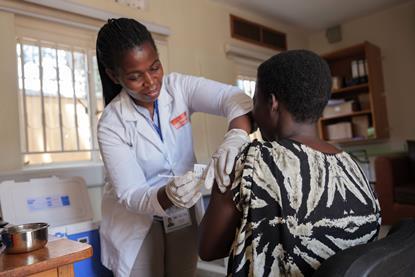
Uganda launches Phase I clinical study of Bundibugyo virus disease vaccine
A Phase I clinical study has been launched evaluating the safety and immunogenicity of a candidate vaccine against Bundibugyo virus disease (BVD), a severe form of Ebola virus disease caused by Bundibugyo virus (BDBV). The study is part of an international effort to develop vaccines against Ebola virus species for which no licensed vaccines are currently available.
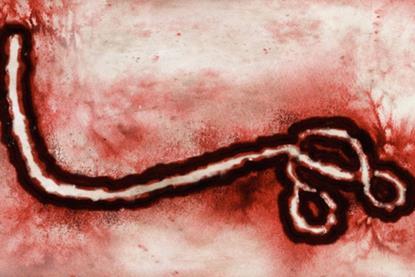
Kenya confirms first imported Bundibugyo virus disease case; WHO supports control efforts
Following the confirmation by Kenyan authorities of the country’s first imported case of Bundibugyo virus disease (BVD), the World Health Organization (WHO) is working closely with the Government of Kenya to intensify key control measures to prevent further spread of the virus.
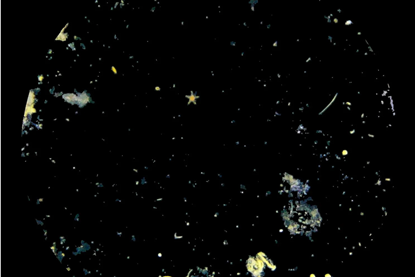
Reading the ocean’s snowflakes: How AI decodes marine snow
A constant snowfall of tiny particles drifts through the ocean, carrying carbon, nutrients and plastic toward the deep sea. Scientists are now developing AI tools that could reveal what this “marine snow” is made of simply by analyzing underwater images.
Clear but not clean: the hidden life of drinking water in Nigeria
In many communities across Nigeria, clear water is assumed to be safe. Transparency, both literal and visual, has become shorthand for purity. My recent research in Ede, southwestern Nigeria, began with a simple but uncomfortable question: what are people actually drinking?
Read story
Enhancing Nigerian fermented foods for nutrition, health and sustainability
Fermented foods are integral to Nigerian cuisine and culture, providing sustenance, health benefits, and cultural heritage. These foods owe their unique flavours, textures, and health benefits to fermentation, a process driven by a diverse community of microorganisms, including bacteria, yeasts, and moulds.

What is eating my rocks? A possible novel biological niche inside limestone
“It seems something biological has once lived inside rocks in Namibia.” Read the story of this unusual discovery…

The threat of porcine circovirus in Nigerian pig farms
AMI New Lecturer Research Grant recipient explores the need for surveillance and mitigation of PCV2 in agricultural settings.

Cholera: vaccination or better infrastructure?
Vibrio cholerae continues to challenge public health systems worldwide. Should we prioritize vaccination or infrastructure improvements?

Q&A: Meet Letters in Applied Microbiology Junior Reviewer Rabiath Féichokpè Raïssa Adigoun
We caught up with Dr. Rabiath Féichokpè Raïssa Adigoun, a postdoctoral researcher at the University of Abomey-Calavi in Benin who is one of the newest Junior Reviewers with Letters in Applied Microbiology.
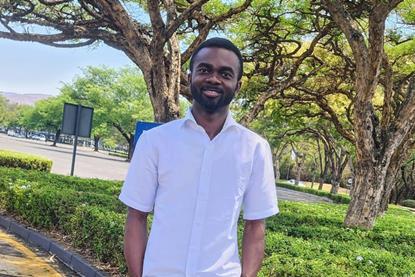
Q&A: Meet Letters in Applied Microbiology Junior Editor Daniel Jesuwenu Ajose
We caught up with Daniel Jesuwenu Ajose, a Postdoctoral Research Fellow at the School of Biology and Environmental Sciences, University of Mpumalanga in South Africa, who is one of the newest Junior Editors with Letters in Applied Microbiology.
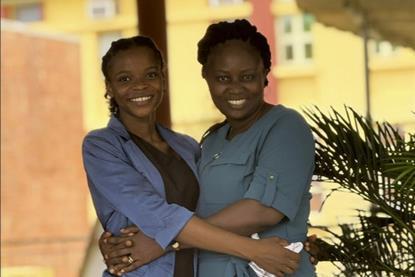
Summer studentship: Taiwo uncovers native strains for mycotoxin control in stored nuts
Taiwo Boluwatife Omowunmi reports back on her AMI-sponsored summer studentship which assessed native microbial strains for mycotoxin biocontrol in stored nuts.
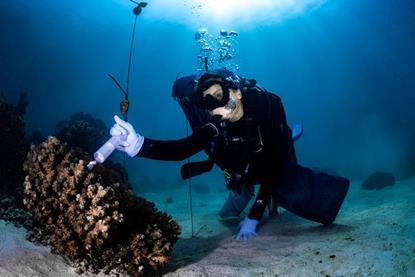
AMI prizewinner Raquel Peixoto reveals how coral symbionts are key to tolerating rising temperatures
Marking World Coral Reef Day on June 1, AMI’s Rachel Carson Prize winner Professor Raquel Peixoto reveals how the ability of corals to tolerate rising temperatures is determined by the type of microorganisms that live inside them.

Summer studentship: Ojewale finds novel Actinomycetes offer rare antimicrobial metabolites
Ojewale Ifeoluwa Florence reports back on her AMI-sponsored summer studentship which focused on the investigation of Actinobacteria found in local freshwater environments in Ogun State, Nigeria, under supervisor Dr. Amina Badmos.

Connecting with microbiologists and presenting research: Oluwole Owoyemi reports back from ASM 2024
Medical microbiologist Oluwole Owoyemi of Achievers University Owo and Federal University of Technology, Akure, reports back from ASM MICROBE 2024 after being awarded a Scientific Event Travel Grant by Applied Microbiology International.