
All Reproductive &Urinary Tract Microbiome articles
-
 News
NewsWomen with history of recurrent UTIs more likely to report perioperative vaginal estrogen use and have a perioperative UTI
Postmenopausal women are at greater risk for multiple health issues, such as hip fractures and urinary tract infections (UTIs), due to estrogen loss. Vaginal estrogen is used to prevent recurrent UTIs, but a new study suggests its use may be associated with perioperative hip fracture complications, like UTIs.
-
 News
NewsNew treatment aims to achieve lasting cure for persistent bacterial vaginosis
Researchers and clinicians are trialing new combinations of antibiotics to treat persistent bacterial vaginosis (BV), following their landmark discovery that the condition is sexually transmissible. A new study reveals why some women continue to experience a repeat diagnosis of BV even when their male partners are treated concurrently.
-
 News
NewsDrug helps bladder cells to clear urinary infections
Researchers have identified a way to strengthen the bladder cells’ ability to eliminate urinary tract infection bacteria sheltered in the cells of the epiithelium. The drug OM-89, marketed as Uro-Vaxom®, activates cellular degradation pathways in bladder epithelial cells while also increasing the amount of antibiotic that enters them.
-
 News
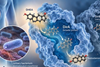
NewsBacteria can make testosterone. What could that mean for prostate cancer?
Scientists have identified an unexpected participant in androgen chemistry: a bacterium from the human urinary tract that can convert the steroid precursor DHEA into testosterone under laboratory conditions. It reveals a previously unknown microbial route to a hormone that is central to prostate biology.
-
 News
NewsMicro-bladder model offers clues to stopping recurrent UTIs
A new study shows that phage therapy – the use of tiny viruses to kill bacteria without harming people – could help to reduce recurrent infections, which happen when the bacteria responsible for UTIs ‘hide’ in the tissue of the bladder.
-
 News
NewsSemen facilitates infection with mpox virus
Researchers have found that seminal fluid can facilitate infection of skin cells with the mpox virus. An analysis of the seminal fluid showed that certain naturally occurring protein fragments are responsible for this effect.
-
 News
NewsImmune responses to urinary tract infection linked to birth outcomes
A new study shows that the increased risk of preterm pregnancies associated with urinary tract infection, is linked to the body’s immune response to the infection rather than to the bacteria themselves.
-
 News
NewsBacterial supplements may boost female fertility
As women get older, their uterine environment changes. Researchers show that treating mice and humans with a beneficial bacterium called Lactobacillus gasseri or derived postbiotics may improve fertility among women over the age of 35.
-
 News
NewsFree webinar: The secret world of the vaginal microbiome
A fascinating free webinar will shine a light into the secret world of the human microbiome and how it influences gynecological health. It will focus on what the vaginal microbiome can reveal about health, disease, and the gaps in care we still need to address.
-
 News
NewsResearch study investigates how maternal viral infections shape lifelong immune health in offspring
A $2.4 million grant will support research that aims to uncover how viral infections during pregnancy reprogram the developing immune system of the fetus, influencing susceptibility to infectious diseases throughout life.
-
 News
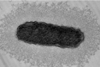
NewsFrom urinary tract infection to brain abscess: How bacterial subpopulations can spread to distant body sites
Researchers present a remarkable clinical case that provides new insights into the evolution of bacterial pathogens and presents the concept of heterovirulence, i.e., the simultaneous presence of subpopulations with different levels of virulence within a single infection.
-
 News
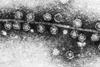
NewsClinical trial aims to break the cycle of recurrent urinary tract infections with bacteria’s natural enemies
Researchers’ data-driven microbiological and phage therapy approaches may help move phage therapy beyond case-by-case experimental use toward a strategy that is predictable, measurable and clinically interpretable.
-
 News
NewsEnvironmental fungi found to alter vaginal mycobiome and cervical disease progression during dysbiosis
Scientists have demonstrated for the first time that environmental fungi actively interact with the vaginal bacteriome and mycobiome with likely implications for cervical disease progression.
-
 News
NewsSweeping product analysis reveals path to more effective probiotic supplements
Probiotic supplements in drugstores contain microbes sold for specific health purposes despite limited understanding of their connections to their marketed use. But scientists have assembled computer models that could lead to more effective products to shape our microbiomes to improve health.
-
 News
NewsMachine-learning how to overcome antibiotic-resistant gonorrhea
An AI-enabled antibiotic discovery proves effective at identifying new chemical structures and targets in the constant fight against antibiotic-resistant gonorrhea.
-
 News
NewsMicrobiome pioneer Jacques Ravel named 2026 Microbiome Medal Laureate
Jacques Ravel, professor at the University of Maryland School of Medicine and leader in human microbiome research, has been named by the One Health Microbiome Center as the second laureate of the Microbiome Medal.
-
 News
NewsMaternal weight may influence microbiota signalling in amniotic fluid
New research investigates how maternal factors during pregnancy affect small particles produced by the body’s microbiota, giving insights into a new way to monitor maternal and fetal health during pregnancy.
-
 News
NewsFrom Helicobacter pylori to the AMR crisis: our interview with JAM Microbiology in Health and Disease Lead Editor Liang Wang
We get to know Professor Liang Wang, who has just been appointed as new Lead Editor in Microbiology in Health and Disease at the Journal of Applied Microbiology.
-
 News
NewsCaesarean birth: sex-specific effects on the microbiota
A research team investigating microbial colonisation in early life set out to understand how delivery mode and sex interact over the course of development, and whether this interaction could affect susceptibility to intestinal diseases such as colitis in adulthood.
-
 News
NewsNew study shows cranberry juice may boost UTI antibiotics
Researchers recently exposed lab-grown strains of pathogenic Escherichia coli to cranberry juice. Preliminary findings suggest that compounds in the juice re-sensitize resistant strains to antibiotic treatment.