
All The Americas articles – Page 3
-
 News
NewsComparing veterinary antimicrobial stewardship: Why Brazil needs stronger monitoring systems
A new comparative analysis reveals critical gaps in antimicrobial monitoring frameworks across three major economies, with significant implications for global public health and food security.
-
 Careers
From microbial processes to biofilm control: our interview with LAM deputy editor Marciane Magnani
We catch up with food microbiologist Professor Marciane Magnani of the Federal University of Paraíba in Brazil who has just been appointed as a Deputy Editor of Letters in Applied Microbiology.
-
 News
NewsComputational approach takes the guesswork out of drug development for Chagas disease
Researchers have established a computational protocol that could accelerate the development of more effective treatments for life-threatening parasitic infections such as Chagas disease, by enabling scientists to accurately identify reactions that can result in successful drug candidates without the need for trial and error.
-
 News
NewsWHO certifies the Bahamas for eliminating mother-to-child transmission of HIV
In a landmark achievement for Caribbean public health, the World Health Organization (WHO) congratulates The Bahamas for becoming the latest Caribbean nation to be certified as having eliminated the mother-to-child transmission of HIV.
-
 News
NewsConnected habitats help wildlife fight disease, strengthen protective microbes
Maintaining connections between natural habitats may support beneficial microbes that help wildlife defend against disease. A new study found that amphibians in connected natural forests and aquatic habitats were more likely to host beneficial skin microbes that inhibit a deadly fungal pathogen.
-
 News
NewsHow tiny cave shrimps grazing on microbes power the underworld of the Yucatan
Because they convert microbial growth in sinkholes beneath the Yucatan Peninsula into animal biomass, Typhlatya shrimps act as “keystone species”, introducing essential nutrients into the cave’s food web. They serve as a crucial initial link that larger subterranean predators feed on.
-
 News
NewsThe cold virus ‘hides’ and multiplies in the tonsils and adenoids, even in people without symptoms
A study reveals that tissues such as the tonsils and adenoids can serve as hiding places for the rhinovirus, which causes the common cold. The pathogen can persist in these tissues for long periods, be transmitted unexpectedly, and trigger new outbreaks of the disease.
-
 News
NewsCyanobacteria surprise scientists with evolutionary shift
Researchers report a surprising new discovery—a system thought to separate DNA has developed to sculpt the shape of the cell in cyanobacteria instead. The results shed light on how protein systems evolve and how multicellularity emerged in this type of ecologically essential bacteria.
-
 News
NewsScientists explore the bidirectional skin-brain axis: Mental health, dermatology-related quality of life, and the role of probiotics
Researchers investigating associations between mental health, dermatology-related quality of life (DLQI), and probiotic intake in 305 Brazilian adults found that women had significantly higher scores for anxiety, depression, and stress compared to men.
-
 News
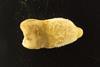
NewsAncient tooth reveals the bacterium responsible for scarlet fever was not introduced to the Americas by Europeans
A research team has identified the Streptococcus pyogenes bacterium in a pre-Columbian Bolivian mummy and, for the first time, reconstructed the genome of this centuries-old pathogen.
-
 News
NewsPoor hygiene and food handling practices increase the risk of bacterial outbreaks in Brazilian households
A significant number of Brazilians engage in improper food hygiene and handling practices at home. Examples include washing meat in the kitchen sink and failing to properly wash vegetables.
-
 News
NewsLuis Daniel Sansores España named recipient of the 2026 IADR Norton Ross Fellowship
The International Association for Dental, Oral, and Craniofacial Research (IADR) has announced Luis Daniel Sansores España, IADR Chilean Division, as the 2026 recipient of the IADR Norton Ross Fellowship.
-
 News
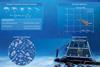
NewsLonger-term plankton species diversity is independent of ocean mixing
A new study identifies correlations between turbulence, plankton diversity and aggregate abundance in marine coastal regions over longer time periods, providing new insights into marine ecosystems.
-
 News
NewsTiny plankton have big impact on harmful algal bloom predictions
While some computer models can forecast potential algal blooms, their accuracy is limited.. A new study shows that coupling three models and accounting for how different algae species interact can significantly improve predictions.
-
 News
NewsEnzyme produced by fungus may replace chemicals in the paper industry
Fungal xylanase can be obtained by cultivating the microorganism in sugarcane bagasse or wheat bran. The solution is a non-polluting alternative for bleaching cellulose pulp, which currently uses a toxic chemical.
-
 News
NewsA smarter way to build vaccines: scientists harness AI to target emerging alphaviruses
Scientists have developed a new computational pipeline that could dramatically accelerate the development of vaccines against a group of mosquito-borne viruses known as alphavirus.
-
 News
NewsLoss of microbiota alters the profile of cells that protect the intestinal wall
Experiments in mice and human tissue indicate that a reduction in bacteria living in the large intestine decreases mucus production and affects nutrient absorption, particularly in older adults.
-
 News
NewsBlood test using artificial intelligence paves the way for early diagnosis of leprosy
A new blood test combined with a standardized questionnaire and artificial intelligence may transform the way leprosy is diagnosed in Brazil. The method showed potential for identifying the disease in its initial stages, when symptoms are subtle and traditional laboratory tests often fail.
-
 News
NewsScientists warn antibacterial soaps and wipes can fuel antimicrobial resistance
An international team of scientists is warning that everyday antibacterial soaps, wipes, sprays, and other “germ‑killing” products are quietly contributing to the global rise of antimicrobial resistance (AMR) while providing no added health benefit for most consumer uses.
-
 News
NewsA study links armed conflict in Colombia with higher tuberculosis cases and mortality
Areas with the highest intensity of conflict between 2008 and 2019 recorded a higher disease burden, highlighting the need for control strategies tailored to each territory.