
All tuberculosis articles
-
 News
NewsBoosted BCG vaccine strategy significantly reduces tuberculosis relapse
A new study reveals that combining an immunotherapy with the traditional Bacille Calmette-Guérin (BCG) vaccine drastically lowers the risk of TB relapse in preclinical models.
-
 Careers
Meet the Global Ambassadors: our Q&A with Sanjib Bhakta
The Microbiologist gets to know our Global Ambassador for the UK, Professor Sanjib Bhakta who is Professor of Molecular Microbiology and Biochemistry at Birkbeck, University of London.
-
 News
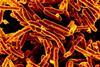
NewsTuberculosis transmission may hold the key to prevention
Scientists have discovered the specific mechanisms that enable the bacteria responsible for tuberculosis to not only survive drying but also to generate mutations linked to antibiotic resistance.
-
 News
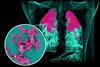
News‘Known’ TB gene springs to action under stress, with an unexpected biological role
New research has discovered that one of TB’s supposedly “known” genes has a completely unexpected biological role, with far-reaching implications.
-
 News
NewsPreventive TB treatment for individuals with HIV shown to be effective in real-world settings
A new study has evaluated the real-world impact of TB preventive treatment in six countries with high TB and HIV rates and highlights the importance of preventive treatment in reducing deaths caused by a curable disease.
-
 News
NewsMen more likely to be infected with TB than women
Men are more likely than women to catch tuberculosis, finds a new study. Researchers found that men were more likely than women to already have a TB infection when the study began, but men were not significantly more likely to develop active TB disease than women.
-
 News
NewsTuberculosis drug discovery gets smarter with AI
Scientists have built an artificial intelligence tool to help scientists focus their efforts after initial screening of potential tuberculosis drugs. The team is also using AI to organize years of collaborative data into a searchable form.
-
 News
NewsNew blood test for tuberculosis could reduce the spread of this top global infectious-disease killer
A new study found that a simple blood test could accurately identify tuberculosis (TB) — a leading cause of death worldwide — among patients with varying degrees of exposure to the disease.
-
 News
NewsFirst clinical proof of concept for ibuprofen as an adjunctive treatment for tuberculosis
Scientists have published the results of a phase IIa pilot clinical trial assessing ibuprofen as a host-directed therapy in patients with pre-extensively drug-resistant tuberculosis (pre-XDR-TB) and extensively drug-resistant tuberculosis (XDR-TB).
-
 News
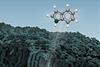
NewsFighting the world’s deadliest infection with PAC-MAN and AI
Researchers have developed techniques that can speed up the search for better tuberculosis drugs. They first measure which chemical compounds are able to slip across the outer membrane and then use those measurements to predict other compounds that can get into the Mtb cell.
-
 News
NewsTuberculosis vaccine changes brain’s immune environment and Alzheimer’s biomarkers in older adults
A study shows that BCG vaccines can alter immune responses and amyloid-beta biomarkers in non-Alzheimer’s participants, which may help explain previously observed links to lower disease risk.
-
 News
NewsScripps Research scientists awarded $2M to advance global disease surveillance
Two Gates Foundation grants will expand wastewater surveillance and AI-driven disease monitoring to support faster public health responses worldwide.
-
 News
NewsResearch team awarded NIH grant to study early immune determinants of human tuberculosis infection
A research team was awarded a 5-year, $3.8 million grant to study early immune responses in the lung and how they influence tuberculosis infection outcomes. The program focuses on how lung immune cells called macrophages influence the earliest stages of tuberculosis infection.
-
 News
NewsFever and chills can make respiratory diseases more contagious
A new study reveals that when the difference between body temperature and the ambient temperature is greater, the clouds of particles generated by coughing or sneezing disperse more and maintain a higher concentration.
-
 News
NewsNovel therapeutic drug for tuberculosis is proposed using high-precision molecular simulation
Researchers have proposed a novel therapeutic agent for tuberculosis, using high-precision molecular simulation techniques. The proposed drug is anticipated to bind strongly to the drug-metabolizing enzyme cytochrome P450 (CYP).
-
 News
NewsResearchers identify immune ‘energy signature’ linked to tuberculosis protection
Researchers found that circulating monocytes from people with latent TB remain metabolically flexible, allowing them to mount strong antibacterial responses, whereas cells from people with active TB disease show impaired metabolism and weaker responses to infection.
-
 News
NewsStudy quantifies the staggering economic toll of TB
Researchers have found that TB wipes out an estimated 0.8 per cent of the world’s total economic potential every year. Losses are concentrated overwhelmingly in low- and middle-income countries, especially in South Asia and sub-Saharan Africa.
-
 News
NewsExpanded tuberculosis screening does not speed up treatment initiation or improve survival in hospitalized patients with HIV
According to the EXULTANT trial, adding molecular tests on sputum, urine and stool samples does not appear to outperform the standard WHO-recommended diagnostic approach.
-
 News
NewsTuberculosis risk: promising approaches for screening and prediction
It is currently difficult to detect TB in its early stages, or predict who will go on to have TB, and therefore preventive treatment is not widely used. Researchers assessed whether a blood-based 3-gene host-response test can detect active tuberculosis and help predict future disease.
-
 News
NewsProviding food baskets to people with tuberculosis is cost-effective and could avert over 100,000 deaths annually in India
Undernutrition is the single greatest modifiable risk factor for tuberculosis (TB). Researchers found that providing food baskets to people with TB and their households may save tens of thousands of lives annually in India if implemented at scale.