
All USA & Canada articles – Page 18
-
 News
NewsCyanobacterial toxins can be inhaled
Research on Southwest Florida cyanobacterial blooms shows that the toxins they produce are aerosolized, potentially being inhaled by people far from contaminated water bodies.
-
 News
NewsHuman activities compromise coral health and resilience
Researchers discovered that 25 contaminants from agricultural, industrial, and pharmaceutical sources accumulated in the soft tissues of coral around Maui, Hawai‘i.
-
 News
NewsNovel pathway suggests gut microbiome could be harnessed to lower blood pressure
The gut microbiome could potentially be harnessed to help lower blood pressure, according to a new study that identifies a previously unknown gut microbiota-bile acid signaling pathway targeting hypertension.
-
 News
NewsConnection between forests and rivers strengthens amphibians’ microbiome and protects them against a lethal fungus
A study indicates that a frog’s resistance to a fungus that has decimated hundreds of amphibian species worldwide is due not only to its genes, but also to the beneficial bacteria living on its skin and to the organization of its surrounding landscape.
-
 News
NewsScientists find hidden individuality in viral infections
An international team of researchers developed a new way to uncover hidden differences in how viruses infect and destroy individual microbial cells—solving a biological puzzle that has persisted for more than 80 years.
-
 News
NewsScientists receive DOW funding for fungal biotechnology research
Scientists have been awarded funding to develop new tools permitting high-throughput analysis of fungal genes. The grant focuses on species of Candida, which can contaminate and sometimes cause operational issues in DOW systems like aircraft fuel systems, vehicles, and electronics.
-
 News
NewsAt-home, lab-quality HIV tests awarded $1.3 million for development
A new two-year, $1.3 million award will help researchers advance a proof-of-concept work toward commercialization of at-home HIV tests sensitive enough for early diagnosis comparable to—or exceeding—lab standards.
-
 News
NewsResearch team receives $10 million NIH grant to study how animals fight infection
Researchers have built a collection of living cells from over 100 animal species to explore innate immune diversity. They have received a 5-year, $10 million grant to utilize this ‘cellular zoo’ to determine how diverse animals recognize and fight virus infections.
-
 News
NewsResearchers link gut microbe to cancer-fighting immune response
A new study is the first to show metabolites produced by certain bacteria in the gut can positively impact the body’s immune response to cancer.
-
 News
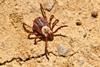
NewsEmerging tick-borne virus raises concern
A study shows how a family of tick-borne viruses known as orthonairoviruses can evade immune defenses, offering important insights into emerging infectious disease threats and the potential pandemic risk posed by these viruses.
-
 News
NewsThe family tree of viruses just grew – and it paves the way for a new approach to agricultural research
Researchers have discovered that a group of viruses known to infect an agriculturally important plant pathogen has remained genetically stable for an astonishing four decades. The work also led to the classification and naming of the group of phages.
-
 News
NewsSix years of drought reshape soil microbiomes in tallgrass prairie, study finds
A new study tracking soil microbial communities across six years of experimental drought in a tallgrass prairie finds that prolonged water stress diminishes biodiversity, pushing communities toward less predictable, harder-to-reverse configurations.
-
 News
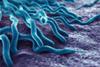
NewsAnother tick-borne disease to avoid: anaplasmosis in Canada
Move over, Lyme disease — there’s another tick-borne disease to worry about in Canada. Anaplasmosis, the second most common tick-borne disease in the country, can cause a range of health issues, including myocarditis, as a practice article shows.
-
 News
NewsHelpful microbes could battle pathogens in our hospitals and schools - with the help of AI to make it work
Helpful microbes that combat harmful pathogens could be the answer to rising antimicrobial resistance, particularly within built environments such as hospitals, homes and schools, says a new review.
-
 News
NewsGut bacteria linked to malnutrition may pass to younger generations
A new study suggests that an intestinal disorder linked to malnutrition and stunted growth may be transmitted from one generation to the next via the small intestinal microbiome.
-
 News
NewsGut bacteria boost immune system and help send Vitamin A to T cells
Scientists have discovered that gut bacteria help regulate the development of the body’s immune system by directing the movement of vitamin A through a previously unrecognized cellular network.
-
 News
NewsResearchers use friendly viruses to tackle inflammatory bowel disease
A research team has developed a targeted approach to treating inflammatory bowel disease (IBD) using bacteriophages, viruses that infect specific bacteria, to disarm harmful microbes without disrupting the broader gut ecosystem.
-
 News
NewsTwo companion papers explain immune ‘exhaustion’ - and how we might prevent it
Chronic and viral infections can literally exhaust certain key cells in the immune system from a constant barrage of attacks. But a new pair of papers has now pointed a way to understand how this exhaustion happens at a molecular level.
-
 News
NewsWarm temperatures disrupt spider sex-changing bacteria in dwarf-spiders across generations
A new study reveals that exposing dwarf spiders to a brief period of warm temperatures can disrupt a phenomenon where internal bacteria normally force genetic males to develop as females.
-
 News
NewsHow immune cells in our gut mesentery fight salmonella
Researchers have found that immune cells in a portion of the abdominal cavity, called the mesentery, play a critical role in suppressing — or exacerbating — salmonella infection.