
The gut microbiome could potentially be harnessed to help lower blood pressure, according to a new study that identifies a previously unknown gut microbiota-bile acid signaling pathway targeting hypertension.
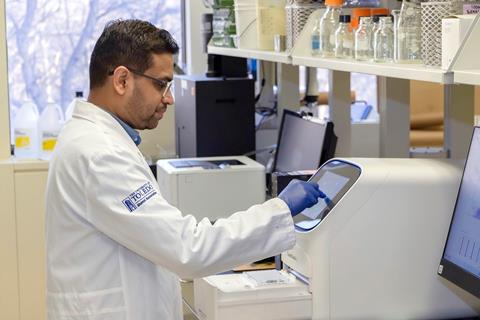
The study by scientists at the University of Toledo is published in Gut Microbes.
Hypertension is a major global health challenge, affecting more than one billion people worldwide and is a major risk factor for cardiovascular diseases. But despite the available medications, many patients fail to achieve adequate blood pressure control.
In recent years, growing evidence has suggested that the gut microbiota and bile acids play important roles in regulating cardiovascular health. However, the mechanisms linking gut microbiota, bile acid signaling, and blood pressure have remained largely unknown.
Detergent-like molecules
Bile acids are detergent-like molecules produced in the liver that help in the digestion and absorption of fat in the body. Primary bile acids are produced by the liver and are converted into secondary bile acids by gut microbiota in the intestine.
MICROBIOLOGY NEWS: Register with The Microbiologist for more free articles
“In our study, we investigated the role of the secondary bile acid receptor TGR5 (Takeda G-protein coupled receptor). TGR5 is an extensively studied receptor for its role in metabolic and immune function,” said lead author biomedical scientist Sachin Aryal, who is currently a postdoctoral fellow at the Children’s Hospital of Philadelphia.
“Using CRISPR/Cas9 gene editing technology, we generated a TGR5 knockout rat on the genetic background of the Dahl-salt-sensitive model of hypertension. By surgically implanting the blood pressure monitoring device in the rats and monitoring blood pressure continuously, we found that blood pressure in the TGR5 knockout rats was significantly reduced compared to the control group. Surprisingly, this blood pressure reduction occurred despite no detectable differences in cardiac, vascular, or renal function, suggesting an involvement of an alternative mechanism,” said Dr. Aryal.
Remodelling the gut microbiota
The team discovered that deletion of TGR5 significantly remodeled the gut microbiota and increased the level of a secondary bile acid, glycodeoxycholic acid, compared to the control group.
“To investigate if glycodeoxycholic acid is responsible for lowering blood pressure and remodeling the gut microbiota composition, we supplemented glycodeoxycholic acid to the control group. We discovered that not only was the gut microbiota profile remodeled, but blood pressure was also significantly reduced in the group supplemented with glycodeoxycholic acid. Furthermore, cecal microbiota transplantation from the TGR5 knockout group to the control group lowered blood pressure in the control group with an increase in glycodeoxycholic acid,” Dr. Aryal said.
Strategies for hypertension
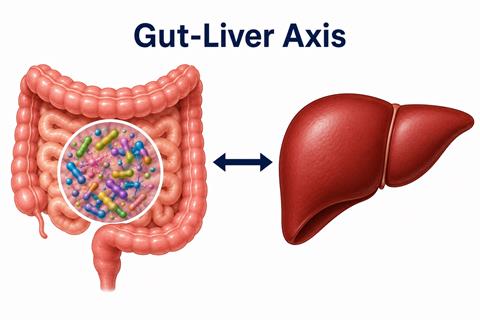
“This finding revealed an interaction between the gut microbiota, bile acids, and host physiology and provided evidence that gut microbial alterations contribute directly to the antihypertensive effect. In a world where hypertension is on the rise, finding novel therapeutic ways is very important, and the findings from my study have highlighted how manipulating the gut-liver axis may offer new strategies for treating hypertension,” Dr. Aryal said.
“To build on the findings of my study, it is important to also investigate other additional compensatory pathways beyond TGR5 signaling to determine if glycodeoxycholic acid may exert its effects through those pathways in lowering hypertension. Also, it is important to determine whether similar mechanisms operate in humans,” Dr. Aryal said.
MICROBIOLOGY ON TAP: Get full access to all The Microbiologist articles from just £2.17 a month
This study was conducted under the mentorship of Dr. Bina Joe, PhD, FAHA, FCVS, FAPS, ISHF. Dr. Joe is an internationally recognized scientist in the field of gut microbiota and hypertension research. She is the Distinguished University Professor and Chair of the Department of Physiology and Pharmacology at the University of Toledo. The study was funded by the American Heart Association and NIH’s National Heart, Lung, and Blood Institute.


No comments yet