
All Bacteria articles – Page 19
-
 News
NewsStudy reveals “bet-hedging” strategy that helps gut bacteria survive and recover
Researchers have discovered that many gut bacteria use a flexible survival strategy to withstand disruptions such as antibiotics and diet changes. Microbes can switch between functional states, rather than relying solely on genetic mutations, to try to survive shifting conditions.
-
 News
NewsOral spray neutralizes smelly dog breath with plant extracts
An oral spray derived from molasses, a by-product of sugar cane refining, reduced bad smells, odor-producing compounds and harmful bacteria from 10 dogs’ mouths.
-
 News
NewsMolecular net boosts the power of natural biopesticides
Scientists have uncovered a previously unknown mechanism that helps a widely used biological pesticide become more effective. The study reveals how bacteria produce ultra-strong protein fibers that form a molecular net, trapping infectious spores and toxins into a sticky film that enhances their ability to kill insect pests.
-
 News
NewsNew molecules can offer breakthrough in fight against antibiotic resistance
Researchers have shown how TriPcides can target the bacterium Staphylococcus aureus, including antibiotic‑resistant strains such as MRSA. The compounds disrupt the bacteria’s ability to cause infection and can also kill dormant bacterial cells, which are often difficult to treat with existing antibiotics.
-
 News
NewsAs day turns to night, blue-green algae undergo a molecular rewiring
Traditionally, biotechnology researchers have modified genes when engineering microbes. But researchers are using predictive phenomics to uncover additional layers of biological control, tracking how environmental changes reshape molecular activity inside a cell and how those shifts translate to function.
-
 News
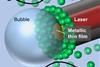
NewsOptical method concentrates microscopic targets for faster, more sensitive detection
Researchers have developed a light-driven technique that quickly amasses thousands of bacteria into a single spot, boosting detection speed and sensitivity. Their approach paves the way for earlier diagnosis of disease.
-
 News
NewsNewly discovered microbial world helps protect developing lobsters
As ocean temperatures rise and marine ecosystems change, scientists are working to understand how valuable species like the American lobster will respond. Scientists suggest one source of resilience may come from the microscopic bacterial communities living on lobster embryos.
-
 News
NewsHidden small RNA determines if cholera bacterium can infect humans
Scientists have uncovered what gives Vibrio cholerae, the bacterium that causes cholera, the ability to colonize the human gut. They found that a small RNA embedded within another gene controls where cholera thrives, a discovery that could improve prediction and prevention strategies.
-
 News
NewsAntibiotic proves ineffective in treating wheezing in young children in the emergency room
A study has shown that giving the antibiotic azithromycin did not help preschool children seen in the hospital emergency room with bouts of severe wheezing. It provides more definitive answers to longstanding questions and inconclusive studies about the role of some types of bacteria in wheezing and asthma.
-
 News
NewsProtein engineering and testing condensed to a single day
Engineered proteins must be created in the real world and tested for performance - a labor-intensive process that involves constructing the DNA instructions for each protein in yeast or bacteria and growing individual clones for protein production and testing. Researchers say they have condensed the time-intensive protein building and testing process to just 24 hours.
-
 News
NewsOne-fifth of pregnant women aren’t properly screened for syphilis
A new study found that 1 in 5 pregnant women in Ontario did not receive timely syphilis screening, which is critical for preventing syphilis infection in newborns. Sociodemographic and behavioural risk factors associated with being screened late may be related to an increased likelihood of inadequate prenatal care access.
-
 News
NewsParaprobiotic counteracts damage to male fertility from BPA in plastic
BPA has been shown to impair sperm function, in part through increased generation of reactive oxygen species. Researchers investigated whether a paraprobiotic material derived from the lactic acid bacterium Enterococcus faecalis (known as FK‑23) protects against the sperm toxicity caused by BPA.
-
 News
NewsTargeted therapeutics show promise in fighting off drug-resistant bacteria
A new study shows that when under attack, the body’s immune cells activate a cellular process called ‘mitochondrial fission’ to kill invading bacteria. Researchers found an experimental treatment called an HDAC6 inhibitor can re-activate the mitochondrial fission process in immune cells to fight invading bacteria.
-
 News
NewsFarming with fish: A natural boost for soil phosphorus
Researchers have uncovered new evidence that rice fish coculture can improve soil nutrient cycling—particularly P—without relying on fertilizers. This reveals that introducing fish into rice paddies enhances the composition and function of phoD-harboring bacteria, which are known to facilitate P mineralization.
-
 News
NewsAI and supercomputer simulations reveal how a bacterial energy-converting enzyme pumps sodium ions
The Na+-NQR enzyme is vital for energy production in pathogenic bacteria, making it a highly promising target for new antibiotics. Researchers combined modified artificial intelligence techniques with extensive supercomputer simulations to visualize the hidden, dynamic movements of this enzyme during sodium transport.
-
 News
NewsUnderstanding and exploiting tuberculosis superspreading
A new perspective piece introduces the idea of “superspreading niches”, specific parts of community contact networks where highly infectious individuals intersect with highly susceptible contacts, as a key framework for understanding TB superspreading and designing new TB control interventions.
-
 News
NewsImplantable living materials autonomously deliver therapeutics using contained engineered bacteria
Researchers have introduced an implantable “living material” that contains bacteria that sense infections. It can release these therapeutic molecules on demand, while keeping them physically separated from the surrounding tissue.
-
 News
NewsBacteria may hold a cancer treatment clue
A review argues that tumors with reproducibly poor prognosis outcomes may share an overlooked feature: bacterial infection within the tumor microenvironment. These bacteria may weaken treatment by altering local immunity, damaging tissue structure, and even inactivating chemotherapeutic drugs.
-
 News
NewsProbiotic Lactobacillus rhamnosus CMU-pb-7 shows promise in alleviating diabetic nephropathy via antioxidative pathway
Rats with diabetic nephropathy treated with the probiotic strain Lactobacillus rhamnosus CMU-pb-7 showed marked improvements in general condition and serum biochemical profiles, including significant reductions in cholesterol, triglycerides, blood urea nitrogen, and serum creatinine.
-
 News
NewsStudy quantifies the staggering economic toll of TB
Researchers have found that TB wipes out an estimated 0.8 per cent of the world’s total economic potential every year. Losses are concentrated overwhelmingly in low- and middle-income countries, especially in South Asia and sub-Saharan Africa.