
All The Microbiologist articles in Bacteriophages
View all stories from this issue.
-
 Features
Building integrated biobanks to defeat AMR in chronic wounds
Antimicrobial resistance (AMR) has evolved into a complex global health issue which has outstripped the development of new antibiotics and therapeutic strategies. The World Health Organisation (WHO) estimates 1.27 million deaths were attributed to AMR infections in 2019. By 2050, 10 million deaths are predicted at a cost of $100 ...
-
 News
NewsUnder The Lens: Callum Cooper explores how bacteriophages could revolutionise medicine - and how we get to that point
In a compelling new video interview from Applied Microbiology International’s ‘Under the Lens’ series, Dr. Callum Cooper shares fascinating insights into one of medicine’s most promising frontiers: phage therapy.
-
 Video
VideoThe Microbiologist: Under the Lens | Episode 2
In our second episode, Dr Callum Cooper joins Professor Emmanuel Adukwu to talk about all things bacteriophage, from alternatives to antibiotics, social impact, and regulation.
-
 News
NewsFive new phages discovered in university’s Botanical Gardens
Five new bacteriophages have recently been discovered in the ponds of Lund University’s Botanical Gardens. Phages thrive wherever bacteria are found, which often means ponds and watercourses that are rich in organic material.
-
 News
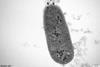
NewsNew collection of bacteria-eating viruses can tackle hospital superbug
An international team of researchers have comprehensively catalogued a new collection of bacteria-eating viruses called phages sourced, in part, from hospital wastewater. The phages have been shown to be effective against different strains of Klebsiella pneumoniae.
-
 News
NewsResearchers expand virus-based treatment options for antibiotic-resistant infections
Phages are extremely specific about which strains of a bacterial species they will attack. This has limited their effectiveness against the most antibiotic-resistant strains. To overcome this problem, the research team “trained” the phages by allowing them to evolve together with the bacteria in a controlled laboratory setting for 30 days.
-
 Opinion
The politics behind the global divide in bacteriophage therapy
The therapeutic potential of bacteriophages (or ‘phages’) has been widely dismissed for decades in the West, despite being regularly used to treat patients worldwide in the early and mid-20th century. In an age rife with disinformation, can the true potential of clinical phage technology be communicated to a public already uneasy about scientific intervention?
-
 News
NewsBacteriophage characterization provides platform for rational design
Researchers have described the bacteriophage Bas63 in unprecedented detail, supporting new mechanistic understanding of how these viruses function.
-
 News
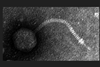
NewsPhages with fully-synthetic DNA can be edited gene by gene
Scientists have developed a method to construct bacteriophages with entirely synthetic genetic material, allowing researchers to add and subtract genes at will.
-
 News
NewsResearchers discover novel phage DNA modifications that offer new hope against antibiotic-resistant superbugs
A groundbreaking discovery reveals a unique way phages modify their DNA with arabinose sugars to protect themselves from bacterial defence systems. Natural DNA phage modifications occur at a higher rate than previously predicted, the study revealed.
-
 News
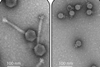
NewsResearchers partner on $28M initiative to build a precision phage platform for promoting public health
Researchers have embarked on a five-year initiative that aims to harness the natural predators of bacteria – known as phages – as precision tools to shape the human microbiome and promote health.
-
 News
NewsSpotlight on phage for a fascinating policy discussion
Scientists turned the spotlight onto the potential of phage in a recent AMI webinar that yielded a fascinating in-depth discussion that proved invaluable in clarifying the way forward. The ‘Phages for a Sustainable Future’ webinar has now been released as a video.
-
 News
NewsBeyond viruses: Expanding the fight against infectious diseases
The newly renamed Gladstone Infectious Disease Institute has broadened its mission to address global health threats ranging from antibiotic resistance to infections that cause chronic diseases.
-
 News
NewsScientists develop a virus cocktail to combat superbugs
Researchers have developed a bespoke phage therapy, Entelli-02, a five-phage cocktail designed specifically to target Enterobacter cloacae complex (ECC), a group of bacteria responsible for severe, often difficult-to-treat infections.
-
 News
News‘Microbial piracy’ uncovers new way to fight drug-resistant infections
Researchers have discovered how ‘pirate phages’ hijack other viruses to break into bacteria, sharing new genetic material for dangerous traits.
-
 News
NewsMushroom chemical teams with phages to deliver a one-two punch to MRSA
A chemical found in mushrooms can be teamed with bacteriophages to deliver a one-two punch to antibiotic-resistant infections, reveals a study presented at MLS Future Forum 2025.
-
 News
NewsZoo poo might hold the secrets to new medical treatments
Scientists are hoping the collection of poo from tigers, elephants, giraffes and other exotic animals, could contain the secret to finding new medical treatments. Although a waste product to the animals, hidden amongst it are thousands of phages which are potentially capable of fighting bacterial infections.
-
 News
NewsNew insights could help phages defeat antibiotic resistant bacteria
Researchers have worked out how bacteria defend themselves against viruses called phages and the new insights could be key to tackling antibiotic resistance. The new research is the first to describe how a bacterial defence mechanism against phages, called Kiwa, works.
-
 Careers
Petri dishes, phages, and public speaking - at the LAM ECS Research Symposium 2025
Rachael Barton and Luka Brajdić open up on their experiences of the Letters in Applied Microbiology ECS Symposium 2025 at the University of Liverpool on June 12.
-
 Features
How phage therapy supports One Health in the AMR fight
In the face of an escalating global health crisis, One Health demonstrates the power of collaborative, multidisciplinary action.