
All Cancer Microbiology articles – Page 6
-
 News
NewsScientists develop first-of-its-kind antibody to block Epstein Barr virus
Using mice with human antibody genes, scientists have developed new genetically human monoclonal antibodies that prevent two key antigens on the surface of the Epstein Barr virus (EBV) from binding to and entering human immune cells.
-
 News
NewsA yeast enzyme helps human cells overcome mitochondrial defects
An international team has experimentally uncoupled nucleotide synthesis from mitochondrial activity using ScURA, a yeast-derived genetic tool now available to the research community that will enable new explorations of cellular metabolism.
-
 News
NewsRhododendron-derived drugs now made by bacteria
Bioengineered E. coli bacteria can now produce a group of compounds with anticancer, anti-HIV, antidiabetic and anti-inflammatory activities. The compounds, orsellinic acid-derived meroterpenoids, are produced by Rhododendron species.
-
 News
NewsImmunity against common virus leveraged against pancreatic cancer
Researchers have discovered a promising new treatment approach for pancreatic cancer. The approach leverages the body’s natural immune response to cytomegalovirus (CMV), a common but typically harmless virus that most people are infected with at some point in their lives.
-
 News
NewsBasic research on Listeria bacteria leads to unique cancer therapy
After nearly 40 years of research on how Listeria bacteria manipulate our cells and battle our immune system to cause listeriosis, researchers have discovered a way to turn the bacteria into a potent booster of the immune system — and a potential weapon against cancer.
-
 News
NewsHPV cancer vaccine slows tumor growth, extends survival in preclinical model
Scientists discovered that systematically changing the orientation and placement of a single cancer-targeting peptide can lead to formulations that supercharge the immune system’s ability to attack HPV-driven tumors.
-
 News
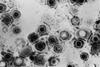
NewsVirus-based therapy boosts anti-cancer immune responses to brain cancer
A study has shown that a single injection of an oncolytic virus—a genetically modified virus that selectively infects and destroys cancer cells—can recruit immune cells to penetrate and persist deep within brain tumors.
-
 News
NewsTesting menstrual blood for HPV could be “robust alternative” to cervical screening
Testing menstrual blood for human papillomavirus (HPV) could be a “robust alternative or replacement” for current cervical cancer screening by a clinician, finds a study. The researchers say using menstrual blood for HPV testing is convenient and non-invasive.
-
 News
NewsYeast cells can be used for rapid testing of cancer immunotherapy
An international research team has developed a new yeast-based biotechnological platform that makes it possible to test and understand advanced cancer treatments much faster and cheaper than before. It can reduce development time for new types of cancer immunotherapy from months to days or weeks.
-
 News
News A fungus living in our body can make melanoma more aggressive
A study has for the first time established the mechanism by means of which the Candida albicans fungus makes melanoma more aggressive. It activates several signalling pathways in the melanoma cells, creating an environment that helps to reprogram angiogenesis and metabolism.
-
 News
NewsHigh consumption of ultraprocessed foods may be linked to cancer survivors’ risk of death
Cancer survivors who consumed higher amounts of ultraprocessed foods as part of their diet had a significantly increased risk of both all-cause and cancer-specific death, a new study shows.
-
 News
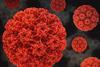
NewsStudy suggests far fewer cervical cancer screenings are needed for HPV‑vaccinated women
In a modeling study of women vaccinated against human papillomavirus (HPV), researchers found that cervical cancer screening could be done far less often than current recommendations without compromising health benefits.
-
 News
NewsGut bacteria may tip the balance between feeding tumors and fueling immunity
A new study reveals how bacteria in the gut can help determine whether the amino acid asparagine from the diet will feed tumor growth or activate immune cells against the cancer.
-
 News
NewsFecal microbiota transplantation improves response to immunotherapy in advanced kidney cancer
A new study provides compelling evidence that fecal microbiota transplantation (FMT) can enhance the effectiveness of immunotherapy in patients with advanced metastatic renal cell carcinoma (mRCC).
-
 News
NewsInnovative ‘poop pills’ show promising results in clinical trials for multiple types of cancer
Fecal microbiota transplants (FMT), can dramatically improve cancer treatment. One study shows that the toxic side effects of drugs to treat kidney cancer could be eliminated with FMT. A second suggests FMT is effective in improving the response to immunotherapy in patients with lung cancer and melanoma.
-
 News
NewsMore investigations needed into Wumei Pills-Lactobacillus Reuteri-intestinal stem cell axis for chemotherapy-Induced mucositis
A new letter appraising a recent study suggests the reported benefits of WMP and Lactobacillus reuteri in chemotherapy-induced mucositis are promising, but stronger causal and analytical foundations are needed.
-
 News
NewsScientists synthesize medicarpin in baker’s yeast
Scientists have developed a way to synthesize medicarpin in yeast. Like palitaxel in the 1990s, this tumor-attacking sustance has only limited natural quantitites and is considered difficult to synthesize.
-
 News
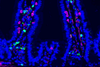
NewsChemotherapy rewires gut bacteria to curb metastasis
Researchers report that chemotherapy-induced damage to the intestinal lining alters nutrient availability for gut bacteria, reshaping the microbiota and increasing the production of indole-3-propionic acid (IPA), a tryptophan-derived microbial metabolite.
-
 News
NewsOral bacterium may promote breast cancer development and spread
Researchers found that Fusobacterium nucleatum, an oral bacterium commonly associated with periodontal disease, can promote breast cancer initiation, tumor growth and spread by inducing DNA damage and altering cancer cell behavior.
-
 News
NewsExperts propose fibre as first new essential nutrient in 50 years - as gut microbiome research gathers pace
Nutrition experts are calling for dietary fibre to be officially recognised internationally as an essential nutrient - the first ‘new’ essential nutrient in more than 50 years. They point out that the gut microbiome exists almost exclusively on the dietary fibre we eat.