
All Editorial articles – Page 41
-
 News
NewsAsian scientists unveil 10-year roadmap for building synthetic cells
Scientists from six Asian countries have launched an ambitious 10-year effort to build synthetic cells from non-living molecules, marking the region’s first coordinated push to create an artificial single-celled biological system.
-
 News
NewsBiochar could help make tea farming cleaner, safer, and more climate resilient
A new review examines how biochar, a carbon-rich material produced by heating biomass under limited oxygen, could become a practical tool for more sustainable tea cultivation. It focuses on five connected areas: soil properties, microbial communities, nutrient cycling, tea productivity and quality, and heavy metal detoxification.
-
 News
NewsScientists map the ocean’s invisible workforce
A new study identifies a small set of “metabolic niches” — or functional roles — that help explain how marine microbes grow, compete for resources and recycle carbon around the globe. The microbes are incredibly diverse, but their behavior can be grouped into a manageable number of strategies.
-
 News
NewsPan-European One Health Network established to bolster infectious disease response
iiCON: the Infection Innovation Consortium has successfully secured funding from COST to establish a unique pan-European COST Action network with over 70 collaborators from 21 countries and international organisations to harmonise the European response to infectious disease threats.
-
 News
NewsWhat is the link between HIV and chronic pain?
A mouse study reveals a mechanism linking HIV to chronic pain. Targeting each of the molecular players in this mechanism alleviates pain and may hold treatment promise for HIV-associated pain, though more work is needed.
-
 News
NewsNew fluorescent nanosensor enables first-of-its-kind detection of key gut health biomarker
Researchers have developed a novel fluorescent nanosensor capable of rapidly detecting indole-3-propionic acid (IPA), an emerging biomarker linked to gut health and disease. The sensor produces a rapid optical readout within minutes, offering a significantly faster and more accessible alternative to conventional analytical techniques.
-
 News
NewsOne simple trick makes zebrafish a better model for microbiome research
A new advance in animal husbandry involving a popular aquarium fish should speed the pace of discovery in laboratory studies of host-microbe interactions, researchers report.
-
 News
NewsBehind the diagnosis: How laboratory testing guided a complex histoplasmosis case
A diagnosis of histoplasmosis forced a teenager with juvenile arthritis onto an uncertain path, one defined by months of treatment, recovery, and a long-term course of antifungal therapy expected to last up to three years. Histoplasma capsulatum, a dimorphic fungus that causes histoplasmosis, found its way into her lungs.
-
 News
NewsSaltier soils may help biochar last longer, new study finds
Researchers found that higher soil salinity can slow the aging of biochar, helping it retain more carbon-rich, aromatic structures while reducing microbial colonization, especially by fungi.
-
 News
NewsStarvation triggers reversible epigenetic changes in fish pathogen
What happens to a bacterial pathogen when food runs out—for several months? A new study reveals that Flavobacterium columnare, a deadly aquatic pathogen responsible for columnaris disease in fish, does not change its DNA sequence during prolonged starvation. Instead, it remodels its epigenetic landscape.
-
 News
NewsPrecigen presents new long-term durability data for PAPZIMEOS, recently granted seven-year market exclusivity
Precigen, Inc. has announced updated long-term follow-up data from the pivotal study of PAPZIMEOS™ (zopapogene imadenovec-drba) for the treatment of adults with recurrent respiratory papillomatosis (RRP).
-
 News
NewsNew analysis confirms benefits of childhood flu vaccines
Pediatric flu vaccines significantly reduce the number of childhood cases of influenza, new research confirms. The findings show that for every 100 children vaccinated, between nine and 14 fewer children catch the flu.
-
 Careers
A week in the life of a Parvovirus researcher
Alejandro Fernández Llorente works as a predoctoral researcher at Centro de Biología Molecular Severo Ochoa (CBM-CSIC), a prestigious biomedical research centre located in Madrid, Spain.
-
 News
NewsProtection for newborns: New treatment aims to prevent meningitis without antibiotics
One of the leading pathogens responsible for meningitis cases in newborn babies is the K1 form of the E. coli bacterium. Now, researchers have developed a triple-pronged approach that seeks to prevent transmission to newborns.
-
 News
NewsNew study suggests fish gut microbe helps regulate ocean health
New research reveals a potential link between the gut microbes of a fish and global ocean processes, offering new insight into how marine ecosystems help regulate ocean chemistry and the marine carbon cycle.
-
 News
NewsScientists clarify the interplay between host and gut microbiota in selenium metabolism
In a recent study, researchers used rats to investigate how gut microbiota and the host jointly manage selenium metabolism. They found that gut microbiota actively transform selenium into various metabolites that influence selenium utilization, detoxification, and excretion, and that the host’s selenium intake affects bacterial diversity.
-
 News
NewsResearch shows plants such as canola, tomatoes and rice reduce iron uptake when stressed by drought
New research has found that plants, ranging from canola to rice to tomatoes, actively shut down their own ability to take up iron when they experience drought. The study questions whether plants send out a ‘cry for help’ when they are stressed by drought to recruit beneficial soil microbes in their roots.
-
 News
NewsResearchers discover tick protein that may block disease transmission
Researchers have found that ticks produce an exosomal glycine-rich protein that plays a vital role in helping ticks feed and transmit viruses. When they used genetic tools to silence the gene responsible for this protein, ticks lacking the protein struggled to feed effectively and showed reduced body weight after feeding.
-
 News
NewsProtective soybean seed fungicide treatment may not increase profitability
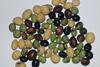
Researchers analyzed how seed treatments affect yield and profitability in soybean farms in the Midwest and found that yield gains were modest and often did not offset the added cost of the treatment. Additionally, financial benefit was likely only when seed treatment costs were low and soybean prices were high.
-
 News
NewsHealth researchers call for support to develop pandemic prevention
The Vanderbilt Center for Antibody Therapeutics has received large-scale government grants and contracts to fund the discovery of human antiviral antibodies. The problem is the next step — finding corporate partners to develop the antibodies through human testing.