
All Gut Microbiome articles – Page 17
-
 News
NewsProbiotic bifidobacterium may boost cancer treatment and suppress tumors
A new review explores how bifidobacterium, a common probiotic found in the gut, may contribute to cancer prevention and therapy. The authors highlight the growing importance of gut health in cancer treatment and shed light on how bifidobacterium could complement standard cancer therapies.
-
 News
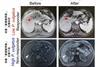
NewsGut bacterium impairs liver cancer treatment, inducing immunotherapy resistance
Researchers discovered that transplanting the gut bacterium Phocaeicola vulgatus into mouse models of liver cancer induced immunotherapy resistance. The finding is consistent with clinical observations in patients, showing that patients with low levels of P. vulgatus responded better to treatment.
-
 News
NewsA microbial blueprint for climate-smart cows
Recent research has shown that feeding cows red seaweed can dramatically cut the amount of methane that is produced and released into the environment. A new study sheds light on that process and reveals which microbes in the cow’s gut might help reduce methane.
-
 News
NewsMedications change our gut microbiome in predictable ways
A study shows that many of the changes to the gut microbiome are driven by competition for nutrients – medications reduce certain bacterial populations and change the availability of nutrients, and the bacteria most able to capitalize on those changes are the ones to survive.
-
 News
NewsNext-generation microbiome medicine may revolutionize the treatment of Parkinson’s and similar disorders
Scientists have engineered the probiotic bacterium Escherichia coli Nissle 1917 as a drug-delivery system that continuously produces and delivers the gold-standard Parkinson’s drug Levodopa, which is converted to dopamine in the brain. E. coli Nissle strain was chosen for its century-long record of safely treating gastrointestinal disorders in humans.
-
 News
NewsNew DNA analysis approach could transform understanding of disease evolution
By adapting techniques originally used to study ancient DNA from archaeological specimens, researchers were able to recover genetic information from nearly century-old medical samples.
-
 News
NewsThe link between the gut microbiome and autism is not backed by science, researchers say
There’s no scientific evidence that the gut microbiome causes autism, a group of scientists argue in an opinion paper. They warn that conclusions that supported this hypothesis are undermined by flawed assumptions, small sample sizes, and inappropriate statistical methods.
-
 News
NewsScientists find way to find the gut microbiome into a longevity factory
A team of researchers has found a way to turn the bacteria living in the digestive tracts of animals into factories that can produce compounds that promote longevity in their hosts—showing a potential new drug development strategy.
-
 News
NewsFirst-in-North-America resource touts research into health benefits of fermented foods
A one-stop network, the first of its kind in North America, has begun sharing easily digested research, recipes and other resources about the health benefits of fermented foods. The new Canadian Fermented Foods Initiative (CFFI) launches officially on Nov. 17.
-
 News
NewsGut microbiota: implications in pathogenesis and potential therapeutic target in primary biliary cholangitis
A new review synthesizes current evidence on gut microbiota dysbiosis in PBC, elucidates its pathogenic mechanisms, and explores its potential as both a diagnostic biomarker and a novel therapeutic target.
-
 News
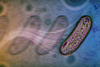
NewsSecrets of microbial motion: How bacteria swash, glide and shift gears to survive
Two new studies reveal surprising ways microbes move, with implications for human health and disease. The first shows that salmonella and E. coli can ’swash’ across moist surfaces even when their flagella are disabled, while the second probes the T9SS gearbox in flavobacteria.
-
 News
NewsLow-dose cannabis compound reduces side effects of HIV treatment
Long-term, low doses of THC mitigate many harmful side effects and inflammation caused by HIV and antiretroviral therapy (ART). Benefits included increased production of serotonin, while inflammation, cholesterol and harmful secondary bile acids were all reduced.
-
 News
NewsThe ‘MDME Axis’: A new view on how microbial metabolites epigenetically shape host health
A review introduces the ’MDME Axis’, a new framework explaining how metabolites from the gut microbiome epigenetically reprogram our genes, influencing host health and disease.
-
 News
NewsThe fart factor: researchers get wind of hydrogen’s role in the gut
Scientists have revealed how hydrogen is made and used in the human gut. Though infamous for making farts ignite, hydrogen also has a positive role supporting gut health.
-
 News
NewsNew study links gut microbes to common heart disease - suggesting ‘Jekyll and Hyde’ action
Researchers studying gut microbes recently identified 15 bacterial species associated with coronary artery disease. The analysis reveals multiple pathways linked to disease severity, including increased inflammation and metabolic imbalance.
-
 News
NewsNew insights on gut microbes that prevent formation of cancer-causing compounds
Gut microbes metabolize dietary nitrates and nitrites and prevent the formation of cancer-causing compounds called nitrosamines. New research sheds light on these processes and pinpoints which types of bacteria are most important.
-
 News
NewsAdvanced disease modelling shows some gut bacteria can spread as rapidly as viruses
Escherichia coli (E. coli), a type of bacteria commonly found in the human gut, could spread as quickly as swine flu, new research suggests. For the first time, researchers are able to predict the rate at which one person could transmit gut bacteria to those around them.
-
 News
NewsGroundbreaking review reveals how gut microbiota influences sleep disorders through the brain-gut axis
A comprehensive review illuminates the intricate connections between gut microbiota and sleep regulation, establishing the microbiota-gut-brain axis as a critical pathway in understanding and potentially treating sleep disorders.
-
 News
NewsUnderweight and unbalanced: Gut microbial diversity in underweight Japanese women
A study of underweight Japanese women reveals they showed reduced gut microbiota diversity and enrichment of taxa associated with inflammatory tendencies. The findings suggest that gut health is as important as caloric intake when it comes to addressing low body weight.
-
 News
NewsResearch spotlight: Mapping how gut neurons respond to bacteria, parasites and food allergy
A new study adds to accumulating evidence showing that the enteric nervous system works closely with the immune system to help the body respond to bacteria, parasites and allergens. The ENS also plays a key role in how the body maintains balance and protects itself from harm.