
All Gut Microbiome articles – Page 14
-
 News
NewsAltered microbiome: Oral bacteria play a role in chronic liver disease
A new study shows that identical bacterial strains occur in both the mouth and gut of patients with advanced chronic liver disease and also reveals a mechanism by which oral bacteria affect gut health. The researchers also found that this process coincides with worsening liver health.
-
 News
NewsProject to combat childhood diarrhea receives over 5 million euros
A new project will use probiotics, improved education in hygiene and advanced mathematical models to prevent children from dying of diarrhea in low and middle-income countries.
-
 News
NewsScientists explore how gut bacteria alter the flavor of Black Ivory coffee beans
Coffee beans that pass through the digestive tracts of animals get their unique flavors from the activity of gut microbes, report researchers. Bacterial activity that reduces the pectin content of Black Ivory coffee could be the source of its smoother, chocolaty, and less bitter flavor.
-
 News
NewsInfant gut bacteria may be the key to preventing asthma and allergies
A study shows that children are less likely to develop allergies and asthma if, as infants, they are colonized with certain bifidobacteria that produce a substance in the gut - a so-called metabolite - that dampens immune responses to allergens.
-
 News
NewsGut bacteria molecule boosts lung cancer treatment response
Researchers have discovered a small compound produced naturally by gut bacteria that doubled the response to lung cancer immunotherapy treatment in mice and can now be made into a drug for testing in humans.
-
 News
NewsMaternal microbiome compound may hold key to preventing liver disease
Children born to mothers who consume a high-fat, high-sugar diet during pregnancy and breastfeeding face a higher risk of developing fatty liver disease later in life. New research suggests that risk may be reduced by supplementing with a naturally occurring compound produced by healthy gut bacteria.
-
 News
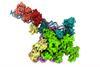
NewsA new study reveals how cholera virulence is activated
A new study provides a long-sought structural explanation of the regulatory cascade that allows Vibrio cholerae to colonize the human gut and produce the cholera toxin that causes life-threatening diarrhea.
-
 News
NewsNew test could help pinpoint IBD diagnosis, study finds
A test that rapidly detects signs of inflammatory bowel disease (IBD) in stool samples could improve future diagnosis and monitoring of the condition, a study suggests. The luminescent reporter lights up when it detects a molecule linked to gut inflammation.
-
 News
NewsFirst extensive study into marsupial gut microbiomes reveals new microbial species and antimicrobial resistance
New research provides the first metagenomic data for 13 marsupial species , including the red kangaroo and the common brushtail possum. They revealed that host family, animal location, and diet all contributed towards variance between different microbiomes.
-
 News
NewsA protein found in the GI tract can neutralize many bacteria
The mucosal surfaces that line the body are embedded with defensive molecules that help keep microbes from causing inflammation and infections. One of these molecules, intelectin-2, has broad-spectrum antimicrobial activity against bacteria found in the GI tract.
-
 News
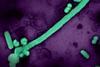
NewsGut bacteria protect mice with influenza A from bacterial pneumonia, study finds
Select gut bacteria protect mice against post-influenza virus secondary bacterial pneumonia, according to a study which sought to define whether intestinal bacteria influenced some individuals’ vulnerability to secondary bacterial infections following primary respiratory viral infection.
-
 News
NewsResearchers deploy bacteria to make healthier sugar substitute
Researchers have developed a way to biosynthetically produce an otherwise rare sugar called tagatose, which could very well provide the sweetness and natural taste of table sugar without its potential harms. It might even provide some health benefits.
-
 News
NewsA simple blood test can predict Crohn’s disease years before symptoms appear
Researchers have shown a blood test can predict Crohn’s disease years before symptoms appear, opening the doors to early diagnosis and potentially prevention. The test measures a person’s immune response to flagellin, a protein found on gut bacteria.
-
 News
NewsWhat causes some people’s gut microbes to produce high alcohol levels?
A study of people with a rare condition known as auto-brewery syndrome has found a link between gut microbes and symptoms of intoxication, pointing to new treatment strategies.
-
 News
NewsPlastic particles can increase intestinal inflammation
Researchers investigating a possible link between the rising number of people with chronic inflammatory bowel disease and the increasing exposure to micro- and nanoplastics show that plastic particles influence the immune cells and the intestinal microbiome and can thus increase inflammation.
-
 News
NewsVictoria’s Secret grant backs cutting-edge ovarian cancer research
Promising ovarian cancer research by Melanie Rutkowski, PhD, at the University of Virginia Comprehensive Cancer Center has won $700,000 in support from the Victoria’s Secret Global Fund for Women’s Cancers in partnership with Pelotonia and AACR, the American Association for Cancer Research.
-
 News
NewsA high-protein diet can defeat cholera infection
A new study has found that diets high in casein, the main protein in milk and cheese, as well as wheat gluten, could make a dramatic difference in the amount of cholera bacteria able to infect the gut.
-
 News
NewsMicrobes in breast milk help populate infant gut microbiomes
A new study provides one of the most detailed portraits yet of how different combinations of bacteria in human milk contribute to the assembly of infants’ gut microbiomes.
-
 News
NewsNewly discovered gut microbial molecules in infancy may influence the risk of type 1 diabetes
An international research team has uncovered compelling evidence that gut-microbe-derived molecules may play an important role in shaping the developing immune system during early childhood.
-
 News
NewsNew research decodes the bacterial “zip code” of colorectal cancer for prediction and survival
A recent study shows that bacteria living inside colorectal tumors form distinct ecosystems that are closely linked to how the disease progression and patient outcomes.