
All Gut Microbiome articles – Page 9
-
 News
News To thwart pathogens, researchers are giving beneficial microbes what they really want
Researchers have developed a new method that allows precise modification of any microbiome with prebiotics, helping beneficial organisms outcompete dangerous pathogens.
-
 News
NewsScientists explore the bidirectional skin-brain axis: Mental health, dermatology-related quality of life, and the role of probiotics
Researchers investigating associations between mental health, dermatology-related quality of life (DLQI), and probiotic intake in 305 Brazilian adults found that women had significantly higher scores for anxiety, depression, and stress compared to men.
-
 News
NewsHow gut bacteria and acute stress are linked
Researchers have demonstrated for the first time that, in healthy adults, the diversity of gut bacteria and their capacity to produce certain metabolites are associated with the acute stress response - particularly stress reactivity.
-
 News
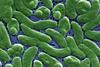
NewsGut microbiome serves as key driver for bacterial infection outcomes for fatty liver disease
Researchers found that metabolic dysfunction–associated steatotic liver disease dramatically worsens outcomes following infection with Vibrio vulnificus, a potentially life-threatening foodborne bacterium commonly associated with seafood consumption.
-
 News
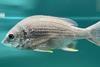
NewsFunctional traits, not phylogeny, drive gut microbial assembly in estuarine fish
By examining the gut microbiota of 61 sympatric fish species within the ecologically diverse Pearl River Estuary, researchers utilized this “natural laboratory” to disentangle complex biological drivers without the interference of geographical variation.
-
 News
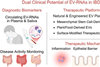
NewsExtracellular vesicle RNAs offer new hope for diagnosing and treating chronic inflammatory bowel disease
Extracellular vesicle-associated RNAs can serve as non-invasive biomarkers for early inflammatory bowel disease detection and disease monitoring, and also hold great potential as targets for next-generation targeted therapies, according to a new review.
-
 News
NewsAutism and ADHD: Epigenetic changes at birth associated with an infant’s microbiome and neurodevelopment
Epigenetic changes present at birth can impact how an infant’s gut microbiome develops during their first year. Researchers also identified specific epigenetic changes and gut microbes that were associated with signs of autism spectrum disorder (ASD) and ADHD when the children were three years old.
-
 News
NewsCould your housemates be changing your gut bacteria?
Living with friends may quietly be altering your gut bacteria - according to a new study. Research on a colony of tiny island birds reveals they share more of their gut bacteria with the birds they spend the most time with.
-
 News
NewsRethinking the gut microbiome: Health is not about staying the same
Despite decades of research into the gut microbiome, microbiome-based interventions such as probiotics or fecal transplants still produce inconsistent results. Scientists suggest part of the problem may lie not in the microbiome itself, but in how we define what it means to be ‘healthy’.
-
 News
NewsPueraria lobata decoction-derived vesicle-like nanoparticles reveal a novel mechanism for ulcerative colitis treatment
By simulating the traditional decoction process, researchers successfully isolated structurally intact GGD-PDVLNs from dried Pueraria lobata after boiling. These nanoparticles demonstrated remarkable stability in simulated gastric acid and intestinal fluids.
-
 News
NewsResearchers to test a gut microbiome intervention as part of a cancer therapy regimen
A phase III clinical trial will test a gut microbiome intervention as part of a kidney cancer therapy regimen. The investigational agent is a once-daily capsule requiring no refrigeration or special handling.
-
 News
NewsLoss of microbiota alters the profile of cells that protect the intestinal wall
Experiments in mice and human tissue indicate that a reduction in bacteria living in the large intestine decreases mucus production and affects nutrient absorption, particularly in older adults.
-
 News
NewsNovel treatment protocol targets the deadliest cases of C. difficile infection
A new study demonstrated that fecal microbiota transplantation (FMT) can rapidly reverse systemic inflammation and improve survival in patients with fulminant Clostridioides difficile infection.
-
 News
NewsHigh‑fat diets linked to rapid decline in protective gut immune cells
In a preclinical study, researchers found that even short-term exposure to high levels of dietary fat results in a quick and selective loss of critical gut immune cells called ILC3s, promoting intestinal permeability and inflammation.
-
 News
NewsOregano, rosemary and ‘time’: Long-term swine study shows natural-compound benefits
In a rare long-term public study that compared the effects of phytochemicals from rosemary and oregano with antibiotic growth promoters, animal scientists found that the natural agents given to weaned pigs supported favorable gut health and growth performance later in their lives.
-
 News
NewsInfluence of antibiotic use on mental health during pregnancy
New research points to an association between antibiotic exposure and maternal psychological distress in early-to mid-pregnancy.
-
 News
NewsSmall intestinal bacterial overgrowth - and your allergy symptoms
A review suggests that small intestinal bacterial overgrowth (SIBO) may be associated with symptom exacerbation in atopic diseases, such as bronchial asthma, food allergies, or chronic urticaria.
-
 News
NewsDecoding the chemical messengers: Gut microbes talk to the whole body through metabolites
A comprehensive review systematically maps how bacterial metabolites shape immune responses and diseases across organs.
-
 News
NewsSimple blood test for gut bacteria metabolites could spot dementia years earlier
Scientists have discovered that subtle changes in the blood may reveal the earliest signs of cognitive decline long before symptoms become obvious.These changes are caused by chemicals produced by gut bacteria - reinforcing the idea that the gut–brain connection plays an important role in early memory changes.
-
 News
NewsMissing gut bacteria may prevent some people with celiac disease from fully benefiting from high-fiber supplements or diets
Many people with celiac disease are advised to eat more fibre to support digestion and manage symptoms, either through diet or prescribed fibre supplements. New research shows that the benefits of that fibre may depend on whether the right bacteria are present in the gut to break it down.