
All Gut Microbiome articles – Page 10
-
 News
NewsHigh‑fat diets linked to rapid decline in protective gut immune cells
In a preclinical study, researchers found that even short-term exposure to high levels of dietary fat results in a quick and selective loss of critical gut immune cells called ILC3s, promoting intestinal permeability and inflammation.
-
 News
NewsOregano, rosemary and ‘time’: Long-term swine study shows natural-compound benefits
In a rare long-term public study that compared the effects of phytochemicals from rosemary and oregano with antibiotic growth promoters, animal scientists found that the natural agents given to weaned pigs supported favorable gut health and growth performance later in their lives.
-
 News
NewsInfluence of antibiotic use on mental health during pregnancy
New research points to an association between antibiotic exposure and maternal psychological distress in early-to mid-pregnancy.
-
 News
NewsSmall intestinal bacterial overgrowth - and your allergy symptoms
A review suggests that small intestinal bacterial overgrowth (SIBO) may be associated with symptom exacerbation in atopic diseases, such as bronchial asthma, food allergies, or chronic urticaria.
-
 News
NewsDecoding the chemical messengers: Gut microbes talk to the whole body through metabolites
A comprehensive review systematically maps how bacterial metabolites shape immune responses and diseases across organs.
-
 News
NewsSimple blood test for gut bacteria metabolites could spot dementia years earlier
Scientists have discovered that subtle changes in the blood may reveal the earliest signs of cognitive decline long before symptoms become obvious.These changes are caused by chemicals produced by gut bacteria - reinforcing the idea that the gut–brain connection plays an important role in early memory changes.
-
 News
NewsMissing gut bacteria may prevent some people with celiac disease from fully benefiting from high-fiber supplements or diets
Many people with celiac disease are advised to eat more fibre to support digestion and manage symptoms, either through diet or prescribed fibre supplements. New research shows that the benefits of that fibre may depend on whether the right bacteria are present in the gut to break it down.
-
 News
NewsEarly pregnancy probiotics may help prevent spontaneous preterm delivery
A new study suggests that probiotics supplementation during early pregnancy may help reduce the risk of recurrent spontaneous preterm delivery (sPTD). Pregnant women who consumed probiotics containing Clostridium butyricum showed lower recurrence rates of sPTD compared with national averages.
-
 News
NewsVitamin D linked to immune response to gut microbiome in inflammatory bowel disease
Vitamin D supplementation may help shape how the immune system responds to gut bacteria in people with inflammatory bowel disease (IBD), according to a new study.
-
 News
NewsFiber in whole wheat foods protects against gut inflammation in mice, study finds
Enriching the diet with wheat fiber protects mice against intestinal inflammation, according to a study. The finding helps explain why incidence of inflammatory bowel disease (IBD) has increased, and suggests eating whole wheat foods may reduce one’s risk of developing it.
-
 News
NewsGut microbes help convert low-protein diets into fat-burning metabolic state
Researchers identify specific bacterial strains that trigger the formation of energy-burning “beige” fat in response to dietary protein restriction.
-
 News
NewsNew blood- and microbiome-based neural networks forecast human biological age
A new study aims to develop and compare two models for calculating biological age based on laboratory blood tests and composition of gut microbiota.
-
 News
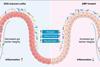
NewsMachine learning identifies antimicrobial peptide candidate for ulcerative colitis
Scientists applied machine learning to accelerate AMP discovery and identify candidates with therapeutic potential for ulcerative colitis.
-
 News
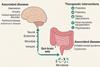
NewsGut microbiota and the gut–brain axis: Mechanisms and therapeutic hopes for brain diseases
A new study looks at the gut–brain axis (GBA), a sophisticated bidirectional communication network that integrates neural, immune, endocrine, and metabolic pathways to govern brain function and systemic homeostasis.
-
 News
NewsKimchi-derived probiotic found to promote binding and excretion of intestinal nanoplastics
Scientists have announced that a lactic acid bacterium isolated from kimchi can help promote the removal of nanoplastics from the body by binding to them in the intestine.
-
 News
NewsWeaning, more than a change of food: It shapes a life-long, healthy gut
According to a team of researchers, weaning or switching from milk to solid food in early life doesn’t just change what babies eat, it helps reprogram the gut’s immune defenses to mount faster and stronger responses that can last into adulthood.
-
 News
NewsNew drug candidate extremely effective against H. pylori bacterium
Researchers have discovered that metronidazole targets two central protective proteins of Helicobacter pylori: an enzyme responsible for detoxifying harmful reactive oxygen species and a protein that repairs damaged proteins.
-
 News
NewsHeart disease risk tied to certain molecules made by gut microbes
In a study involving data from thousands of people, the risk of a new coronary heart disease diagnosis was statistically associated with bloodstream levels of nine specific molecules that are produced by gut microbes.
-
 News
NewsHigh-fat diets cause gut bacteria to enter brain, study finds
A new study, performed using mouse models, establishes that live bacteria from an imbalanced gut microbiome can enter the brain via the vagus nerve. The vagus nerve connects the brainstem to the heart, lungs, and major abdominal organs, including the stomach, intestines, liver and more.
-
 News
NewsMicrobial clues uncover how wild songbirds respond to stress
A study of free-living Northern cardinals revealed that even relatively mild challenges can leave a clear mark on the gut microbiome. Birds exposed to social or environmental stressors showed changes in the composition of their gut bacteria, while the total number of microbial types remained stable.