
More Economic Equality – Page 25
-
 News
NewsClimate change portends wider malaria risk as mosquitoes expand range in Africa
Scientists have found that the mosquitoes responsible for transmitting malaria in Africa are spreading deeper into southern Africa and to higher elevations than previously recorded.
-
 News
NewsCellular evidence reveals why men are at higher risk from COVID-19
Researchers from Osaka University provide cellular evidence for the observed differences between the response to COVID-19 infection in male and female patients.
-
 News
NewsDecades of conflict in Iraq fuel ‘catastrophic’ rise in antimicrobial resistance
Decades of wars and conflict in Iraq have led to a “catastrophic” rise in antimicrobial resistance in the country, with serious implications for the entire region and the world, international experts have warned.
-
 News
NewsSpotlight on how hepatitis E is able to infect cells
A recently developed cell culture model has finally made it possible for researchers to investigate how hepatitis E is able to infect cells.
-
 News
NewsDose of antibiotic during labour can cut sepsis risk in developing countries
New findings suggest that a single dose of azithromycin given to women planning a vaginal delivery significantly reduces the risk of maternal death or sepsis.
-
 News
NewsFunding backs world-first test to detect ‘insidious’ malaria infections
Research to develop and deploy a world-first diagnostic test that could accelerate malaria eradication has been bolstered with over $1.3 million in new funding from the National Health and Medical Research Council (NHMRC) in the US.
-
 News
NewsIncrease in multidrug-resistant pathogens since Ukraine war
Researchers in Germany have recommended screening patients from Ukraine for multi-drug resistant pathogens prior to hospital admission following a series of outbreaks.
-
 News
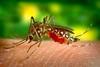
NewsResearchers create tool to map Mexico’s dengue fever hotspots
Researchers have analyzed data from Mexico’s Ministry of Health to identify dengue fever hotspots, calculating environmental and socioeconomic risk factors and mapping areas where severe outbreaks occur.
-
 News
NewsNew US report reveals diversity trends in STEM workforce and education
More women, as well as black, Hispanic, American Indian, and Alaska Native people collectively, worked in STEM jobs in the US over the past decade, diversifying that workforce, and are earning more degrees in science and engineering fields at all levels compared to previous years.
-
 News
NewsHundreds of newly discovered microbes could be used as natural fertilizer for poor soil
The discovery of hundreds of previously unknown microbes in a Brazilian ecosystem could potentially form a basis for the development of biological substitutes for the chemical fertilizers used by farmers, especially those containing phosphorus.
-
 Careers
Top tips for aspiring life science entrepreneurs
Jason Mellad, CEO of Startcodon shares his advice for starting a business in the life sciences industry.
-
![Low-Res_biodesign_rosy-mtt_111522-03[2].jpg](https://d3rmrttq0bsnxi.cloudfront.net/Pictures/100x67/1/4/7/1147_lowres_biodesign_rosymtt_111522032.jpg_781566_crop.png) News
NewsMicrobiota transfer therapy boosts gut health in children with autism
Researchers have discovered that microbial taxa and genes that are important for microbial pathways associated with improvements in the physical and behavioural symptoms of autism spectrum disorder, improved following microbiota transfer therapy.
-
 News
NewsNew study shows link between make-up of microbiome and depression
Research by Amsterdam UMC, the University of Amsterdam and Erasmus MC has delivered the most extensive evidence to date of a relationship between the composition of the microbiome and instances of depression.
-
 News
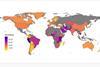
NewsSewage yields in-depth world map of antimicrobial resistance
Researchers have used sewage analysis to map where in the world the occurrence of resistance genes is highest, how the genes are located, and in which types of bacteria they are found.
-
 Features
Clean water for all
The World Health Organization (WHO) and the United Nations Children’s Fund (UNICEF) estimated that, as of 2020, 2 billion people across the globe did not have access to safely managed drinking water.
-
 Careers
Engaging Nepal with Science
Discover how the creators of the Meet the Microbes project have shared their passion for science education with over 2000 participants in 36 schools.
-
 News
NewsBiovac signs deal with IVI to deliver oral cholera vaccine for African and global markets
South African based Bio-pharmaceutical company Biovac has concluded a ground-breaking licensing and technology transfer agreement with the International Vaccine Institute (IVI), a non-profit international organisation headquartered in South Korea, for the manufacture of an oral cholera vaccine (OCV).
-
 News
NewsAMI’s sponsorship of Daphne Jackson Fellow supports scientists returning after career break
AMI Chief Executive, Lucy Harper, has spoken about the benefits of sponsoring a Daphne Jackson Fellow.
-
 News
NewsBird flu ‘could hit food availability in run-up to Christmas’
Kingston University Professor of Medical Microbiology Mark Fielder explains why the current strain of avian influenza is so contagious, how best to control the spread and the effect the outbreak is having on farmers, retailers and the UK economy.
-
 News
NewsNew monkeypox study increases fear of potential escalation in central Africa
A new study of monkeypox infections in a remote area of the Democratic Republic of the Congo (DRC) shows transmission rates rising closer to the point where outbreaks are likely to be larger and more frequent.