
More News – Page 3
-
 News
NewsBreast milk gives certain gut bacteria a head start
Research shows that sugars in breast milk play an important role in the development of the gut microbiota, during weaning or transition from breast milk to solid food.
-
 News
NewsBreakthrough study could unlock key to more reliable truffle cultivation
A pioneering study has revealed that growing truffles depends not just on soil conditions, but on a complex underground ecosystem that the truffles may help to engineer themselves.
-
 News
NewsWhat D.C.’s algal bloom reveals about a growing water threat
Environmental engineer Steven Chapra speaks out about cyanobacteria algal blooms in the newly renovated Lincoln Memorial Reflecting Pool, expanding on why harmful algal blooms are a growing concern, and what they may mean for freshwater ecosystems.
-
 News
NewsDrone index tracks wheat mildew
A new study addresses the need for rapid, field-scale monitoring of wheat powdery mildew in smallholder farms, where disease spread can be spatially uneven and difficult to capture through manual scouting alone.
-
 News
NewsBacteria can learn and form memories without a brain
Scientists have shown that bacteria can learn from past experiences, store memories across generations and adapt their behavior to changing environments.
-
 News
NewsGrowing evidence that sugar substitutes disrupt gut health and metabolism
In a new review, researchers noted that artificial and other low-calorie sweeteners, compared to non-caloric controls such as water or placebo, raised fasting insulin and HbA1c, a marker of long-term blood sugar control, and showed a trend toward worsening insulin sensitivity.
-
 News
NewsBiologists uncover a molecular mechanism that helps bacteria spread antibiotic resistance genes
A new study reveals the molecular mechanism behind one of the most powerful mechanical actions in all of biology, the reeling in of tiny surface fibers called type IV pili.
-
 News
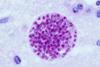
NewsHigh-resolution DNA typing uncovers hidden diversity of Toxoplasma gondii in China
An international research team has revealed previously hidden genetic diversity in Toxoplasma gondii, a globally distributed zoonotic parasite, in China.
-
 News
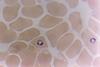
NewsScientists solve decades-old mystery of how malaria parasites invade human cells
Researchers have caught the malaria parasite’s moving junction in the act, obtainingg the first high-resolution view of its three-dimensional structure. It turns out to be a molecular machine that actively remodels the host cell’s membrane to help the parasite force its way inside.
-
 News
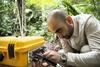
NewsExtreme droughts in the rainforest reduce important feedback between soil and atmosphere
The El Niño drought and heat suppress the capacity of the Amazon rainforest soil to absorb isoprene by a factor of four, while boosting its amount around the forest canopy.
-
 News
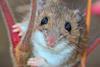
NewsA non-toxic guard against Lyme disease could soon be an everyday purchase
Rather than vaccinating people or pets against Lyme disease, researchers are targeting the “reservoir hosts” — small mammals like squirrels, chipmunks and white-footed mice — that naturally carry the bacterium and pass it to ticks.
-
 News
NewsNew evolution platform creates tougher yeast for sustainable biomanufacturing
Researchers have now developed a powerful new tool that accelerates microbial evolution. Their study introduces RAMPAGE, a programmable system that continuously generates genetic diversity across the genome of the industrial yeast P. pastoris.
-
 News
NewsActinobacteria TFDB: a new comprehensive resource for transcription factor research in actinobacteria
Actinobacteria are a major source of bioactive natural products and exhibit an unusually high transcription factor (TF) abundance. A new study reports the development of Actinobacteria Transcription Factor Database integrating 629 TFs from 25 representative species.
-
 News
NewsCommon probiotic ingredient turns immune cells into tumor killers
A probiotic bacterium secretes mannose—that significantly suppresses melanoma growth in mice by activating the body’s own immune defenses. Mannose enters CD8⁺ T cells through glucose transporters and inhibits a key protein called YAP1, which normally restrains T-cell killing power.
-
 News
NewsStudy: Three-in-one vaccine shows promise against ‘tripledemic’
A single-shot vaccine in development could protect against flu, COVID-19 and RSV simultaneously. In a study, researchers found that their three-in-one vaccine triggered protective immunity against all three respiratory diseases in mice, ferrets and cotton rats.
-
![Low-Res_[1] KRICT Research Team](https://d3rmrttq0bsnxi.cloudfront.net/Pictures/100x67/3/0/4/21304_lowres_1krictresearchteam_295027.jpg) News
NewsKRICT discovers novel SRV2 envelope protein for efficient car immune cell production
Researchers identify a novel SRV2 envelope protein that serves as a key to unlock immune cells, enabling more efficient delivery of anticancer genes and improving the production and therapeutic performance of CAR immune cells.
-
 News
NewsGut microbiome: The hidden architect of liver cancer immunotherapy response
A comprehensive review synthesizes current advances linking gut bacteria to immunotherapy outcomes in hepatocellular carcinoma (HCC), the most common type of primary liver cancer.
-
 News
NewsBillions of doses later: Global review confirms mRNA vaccines are safe, effective and full of promise
A comprehensive review brings together global evidence to strengthen public trust and counter misinformation as mRNA vaccines expand to prevent and treat more diseases.
-
 News
NewsMicrobe–fertilizer pair cuts greenhouse soil emissions
A new study shows that inoculating organic fertilizers with denitrifying bacterium, especially when paired with mushroom residue organic manure, reduces N₂O emissions by reshaping the soil microbiome.
-
 News
NewsBiochar helps paddy soils lock away carbon by reshaping microbial life underground
A new study reveals that straw and biochar both increase soil organic carbon, but biochar stores carbon more efficiently by guiding soil microbes toward stable carbon formation.