
Scientists have shown that bacteria can learn from past experiences, store memories across generations and adapt their behavior to changing environments all without a brain or nervous system.
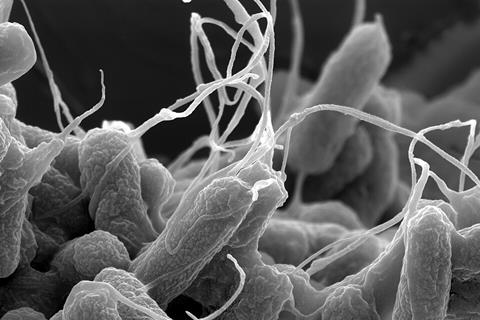
The work, published in PRX Life, could shape how scientists think about bacterial infections and antibiotic treatment.
Responding to environments
In the study, researchers tracked individual E. coli cells as nutrient conditions shifted between rich and poor environments. Instead of responding the same way every time, the bacteria adjusted their growth based on patterns they had experienced before.
Cells exposed to rapidly changing conditions were able to adapt better than cells raised in more stable environments. The findings suggest bacteria do more than just react to their surroundings. They appear to encode memories of past environments and use those memories to guide future behavior.
MICROBIOLOGY NEWS: Register with The Microbiologist for more free articles
MICROBIOLOGY ON TAP: Get full access to all The Microbiologist articles from just £2.17 a month
“For a long time, people assumed bacterial growth was determined only by the environment the cell is currently experiencing,” said Josiah Kratz, first author on the paper and a postdoctoral fellow in the School of Physics. “What we showed is that the history of past environments matters. The cells remember those experiences, and that memory changes how they behave.”




.jpg)
No comments yet