
By applying mRNA technology and structural engineering, researchers have fashioned an advanced antibody therapy that can neutralize SARS-CoV-2 while constraining the virus’ ability to escape recognition. The therapy protected mice against infections with an immune-evasive Omicron variant, and provides a structural template for antiviral antibodies that can keep up with their constantly evolving viral targets.
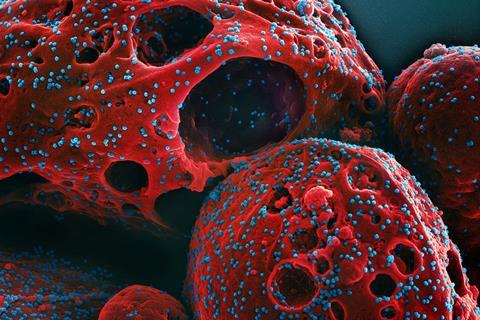
Although the COVID-19 pandemic is over, SARS-CoV-2 remains a threat to public health, and is especially dangerous for people with compromised immune systems who can’t fully benefit from vaccines. Antibody therapies are critical for these high-risk groups, as they can bind to and neutralize the virus without the need for vaccine-induced immunity.
However, like other viruses, SARS-CoV-2 is constantly evolving – and variants quickly appeared that could evade the first generation of antibody therapies. This escape has also undermined the deployment of next-generation antibodies, so new approaches are needed.
In this article, Anna Wec and colleagues used high-throughput screening and isolated several antibodies from llamas that could neutralize the XBB.1.5 and JN.1 variants of SARS-CoV-2. The researchers engineered these lead candidates into more potent bispecific antibodies, which can target multiple sites on the same protein.
Structural modifications
Furthermore, they introduced structural modifications that allow multiple antibodies to be delivered in tandem via mRNA. This mRNA strategy maximizes the antibodies’ ability to target SARS-CoV-2 as it evolves, and could potentially lower the high costs and manufacturing complexity that have held back previous bispecific antibody therapies.
MICROBIOLOGY NEWS: Register with The Microbiologist for more free articles
The platform neutralized a broad range of historical and current SARS-CoV-2 variants in serum and protected mice against infections with XBB1.5.
“This platform may have applications in other therapeutic areas in which broad antigen coverage, resistance to escape, or simultaneous engagement of multiple disease-associated targets is desirable,” Wec et al. write.






_(52488777518).jpg)
No comments yet